
Unleashing Adrenaline: Why Watching F1 Live is Unmissable
Few sporting spectacles rival the raw, breathtaking energy of Formula 1. If you are looking for the purest adrenaline rush combined with cutting-edge engineering, following F1 live is an absolute must. From the screeching tires biting into the asphalt to the strategic blips of the pit crew, Formula 1 is a complex, dramatic ballet played out at over 200 miles per hour. It’s more than just a race; it’s a confluence of human skill, technological prowess, and split-second decision-making that leaves audiences breathless, regardless of whether you are watching on a massive screen or screaming from the grandstands.
The global appetite for F1 live coverage is massive because the sport manages to be both incredibly technical—appealing to engineers and statisticians—and wildly emotional—resonating with every sports fan who loves a dramatic underdog story. Understanding how to appreciate the nuances of the sport is half the fun, and this guide will equip you with everything you need to maximize your experience, whether you’re watching from home or on the track.
What Makes Formula 1 So Riveting to Watch Live?
The sheer speed is obvious, but the drama is what keeps us hooked lap after lap. F1 races rarely unfold in a predictable line. They are fluid battles where misfortune, genius, and chance collide. The viewing experience is inherently dynamic, demanding constant attention to detail.
The Engineering Marvel Under the Hood
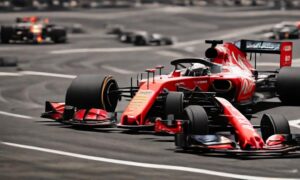
Forget the glamour; at the core of F1 lies groundbreaking engineering. Each car is a meticulously calibrated piece of machinery, pushing the boundaries of aerodynamics, engine efficiency, and material science. When you watch F1 live, pay attention not just to *who* wins, but *how* they are maintaining speed through corners. The complex interplay between the diffuser, the wing elements, and the power unit generates downforce—literally sucking the car to the track—a concept that is mesmerizing to observe.
The Human Element: Driver Skill and Strategy
Behind the carbon fiber and the horsepower sits the pilot. World-class drivers are not merely fast; they are calculated risk-takers. They must manage extreme physical stress, process vast amounts of real-time data, and execute perfect race craft under intense pressure. Furthermore, the team strategy—the decisions about tyre compounds, pit stop timing, and radio communication—often determines the victor more than outright pace.
Mastering the Art of the View: From Couch to Circuit
Experiencing F1 live can mean very different things depending on your location. Knowing the best way to consume the action enhances the entire viewing pleasure.
Watching Online: Streaming Services and Commentary Angles
For the remote spectator, the modern streaming setup is incredible. Major broadcasters offer multiple camera angles, from the onboard POV giving you the visceral feeling of speed, to overhead helicopter shots that give you a perfect tactical map of the race. Pay close attention to the commentary team; experienced commentators often narrate the strategy as much as the overtakes, explaining why a pit stop matters more than the gap on the track right now.
Attending In Person: The Unfiltered Experience
Nothing compares to the roar. Being physically present at a Grand Prix is a full sensory overload. The vibrations you feel through the ground, the smell of high-octane fuel mixed with hot rubber, and the collective roar of tens of thousands of fans create an atmosphere unmatched anywhere else in sport. This is where the strategic nuances become visceral—you *feel* the moment a car gets stuck in traffic or when a driver fights for every inch of clean air.
Key Elements to Track During a Grand Prix
If you are watching F1 live for the first time, trying to absorb everything can be overwhelming. Focus on these key tactical elements to feel like a seasoned expert:
Tyre Strategy and Pit Stops
Tyres are the link between machine and performance. F1 cars use different compounds (hard, medium, soft) designed for various levels of grip and durability. The pit stop itself is a masterclass in teamwork, aiming for times under three seconds. A perfectly executed strategy—knowing when to degrade a tyre versus when to push it to its limit—can completely overturn the race order, even if a driver starts on pole position.
Understanding Qualifying vs. The Race
Qualifying is purely about one-lap speed—who can manage the perfect run on a given set of tyres. The race, however, is a war of attrition, endurance, and strategy. A pole position (the fastest time in qualifying) does not guarantee a win because tyre wear, traffic, or a rival’s aggressive pit strategy can neutralize that advantage instantly. Always remember that the race is a marathon, not a sprint.
Conclusion: The Continuous Pursuit of Perfection
Formula 1 remains a spectacle defined by relentless improvement. Every season brings rule changes, new engine concepts, and bolder ambitions from the teams. Whether you are analyzing the downforce ratios on a computer or feeling the rumble of the engine through the grandstand floor, following F1 live offers a continuous, high-octane education in peak human and mechanical performance. So next time the lights go out, lean in, study the angles, and enjoy the pure, unadulterated drama that is Formula 1.