Building a Breathable Tomorrow: A Comprehensive Guide to Green Delhi
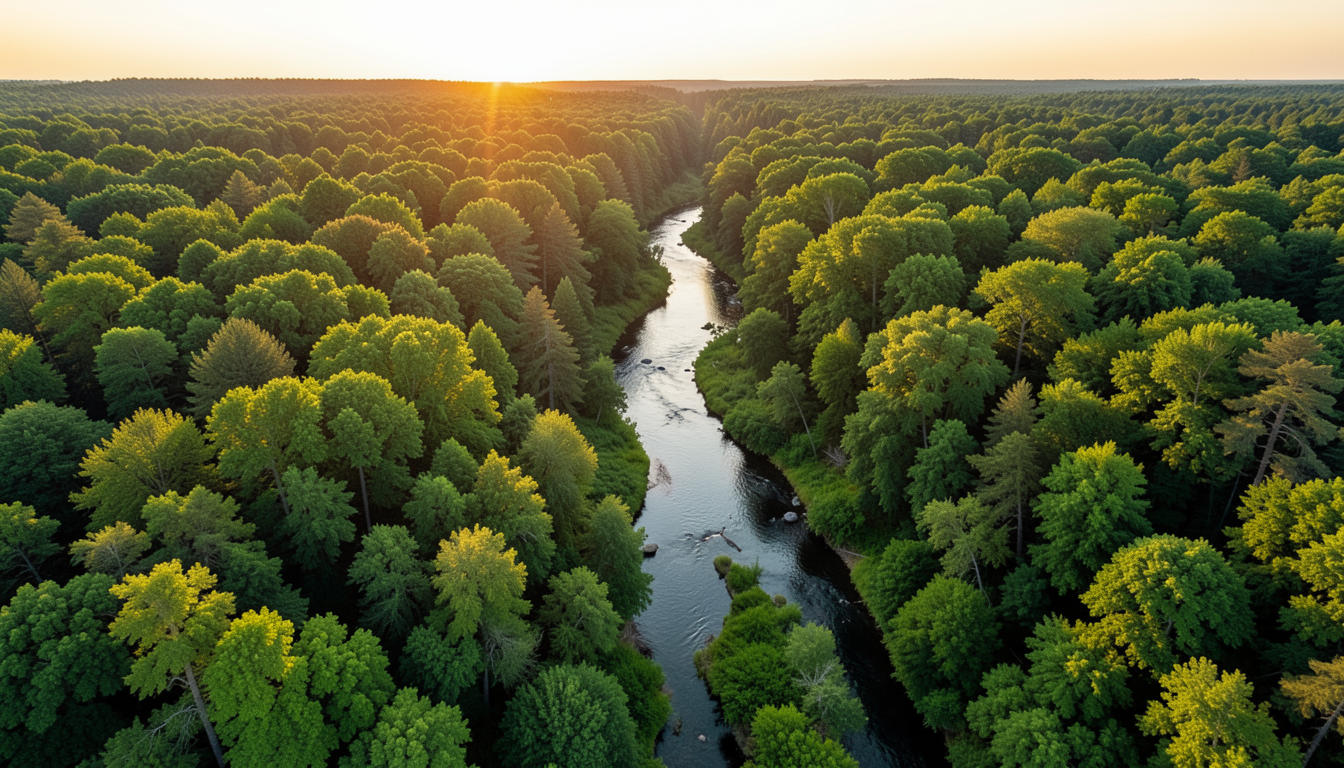
The Imperative Shift: Why Green Delhi Matters Now More Than Ever
As one of the world’s most rapidly expanding metropolises, Delhi faces monumental environmental pressures. The race for modernity has often come at the expense of natural ecological balance, leading to critical issues like severe air pollution, diminishing water tables, and overwhelming waste management crises. Amidst these challenges, the vision of a truly Green Delhi has emerged—a comprehensive commitment to integrating ecological sustainability with urban development. It represents more than just planting trees; it embodies a fundamental shift in policy, lifestyle, and civic responsibility.
Achieving a green status requires a multi-pronged approach that tackles the roots of pollution rather than just treating the symptoms. This transformation necessitates rethinking everything from how we travel and consume energy to how we manage the vast quantities of waste generated daily. Understanding the pillars supporting a green transition is the first step toward ensuring a breathable, livable future for millions.
H2: Addressing the Core Environmental Challenges in the NCR
The sheer scale and density of the National Capital Region (NCR) place immense strain on natural resources. The environmental degradation visible across the city requires acute intervention in several key areas. Understanding these pain points helps illuminate the necessary solutions.
H3: The Crisis of Air Quality and Smog
Air pollution remains Delhi’s most visible threat. Emissions from vehicles, industrial sources, and construction dust combine to create smog, significantly impacting public health. Tackling this requires stringent emission controls, promoting cleaner fuels, and implementing large-scale green barriers that can act as natural filters.
H3: Water Scarcity and Pollution
Delhi’s water resources are under constant threat from overuse, groundwater depletion, and industrial discharge. A green city model must prioritize rainwater harvesting, wastewater recycling, and the revitalization of natural water bodies (like lakes and tributaries) to ensure sustainable water security for its populace.
H2: Pillars of Transformation: Strategies for a Greener Capital
The journey toward a Green Delhi is underpinned by several robust, interlocking strategies designed to restore ecological balance while supporting continuous growth. These efforts span infrastructure, policy, and community involvement.
H3: Reforestation and Expanding Urban Green Cover
One of the most direct and impactful steps is aggressively increasing the city’s green lungs. Tree planting initiatives—focused not just on aesthetics, but on biodiversity support—are crucial. These efforts aim to restore the natural canopy, improve local microclimates, and absorb atmospheric carbon dioxide. Modern urban forestry techniques are being employed to select species resilient to Delhi’s unique pollution profile.
H3: Promoting Sustainable and Green Mobility
Transportation is a major contributor to urban pollution. A vital component of Green Delhi is the massive push toward sustainable mobility. This includes expanding and electrifying the public transport network (like the Delhi Metro), promoting dedicated cycling lanes, and incentivizing the adoption of electric vehicles (EVs). By shifting dependency away from private, internal combustion engine vehicles, the air quality improves dramatically.
H3: Revolutionizing Waste Management
Simply talking about recycling isn’t enough; the systemic overhaul of waste handling is crucial. A modern approach embraces the circular economy model. This means implementing advanced segregation mechanisms at the household level, composting organic waste locally, and ensuring that non-biodegradable waste is processed through scientific recycling units, diverting massive amounts of garbage from landfills.
H2: The Role of Policy, People, and Participation
No environmental initiative, no matter how well-funded or scientifically sound, can succeed without active citizen participation. The success of Green Delhi hinges on a collective buy-in across all demographics.
H3: Corporate Social Responsibility (CSR) and Green Incentives
Corporates are increasingly recognizing their stake in a healthy environment. Implementing mandates and providing incentives for businesses to adopt green building standards (like LEED certification), reduce their carbon footprint, and invest in local green infrastructure is vital for private-sector accountability.
H3: Community Ownership and Awareness
From neighborhood clean-up drives to adopting rooftop composting, citizen action empowers local communities. Educational outreach programs are essential to shifting mindsets—teaching residents that sustainability is not an optional add-on, but a core responsibility. Community gardens and local resource management committees foster a sense of ownership over the shared environment.
Conclusion: A Blueprint for Future Urbanism
The evolution into a Green Delhi is not a single project with a ribbon-cutting ceremony; it is a perpetual process of adaptation, innovation, and collective commitment. It requires robust governmental frameworks paired with the ingenuity and dedication of its citizens. By meticulously blending ancient wisdom of ecological harmony with cutting-edge sustainable technology, Delhi is setting a powerful global precedent. The vision is clear: a metropolis that thrives economically while nourishing its natural environment—a true model of 21st-century sustainable urbanism. Continued focus on these integrated pillars ensures that the future breath of Delhi will be clean, vibrant, and green.
H3: Integrating Nature-Based Solutions (NbS)
Beyond simply planting trees, modern urban planning for Delhi must pivot toward Nature-Based Solutions (NbS). These are strategies that use, mimic, or enhance natural ecosystems to address social, economic, and environmental challenges. For instance, restoring peri-urban wetlands (which act as natural flood buffers and air purifiers) is far more effective and cost-efficient than building purely concrete infrastructure. Similarly, incorporating permeable paving stones in parking lots and walkways allows rainwater to naturally seep into the ground rather than causing runoff and overwhelming drainage systems. These ‘green’ engineering approaches boost biodiversity, manage water cycles naturally, and mitigate the Urban Heat Island Effect far better than traditional grey infrastructure.
H3: Sustainable Livelihoods and Livelihood Integration
A truly green city cannot ignore the economic realities of its residents. Sustainability efforts must be interwoven with pathways for sustainable livelihoods. This means creating economic opportunities within the green economy itself. For example, training local waste pickers in advanced material recovery processes or establishing urban farming cooperatives can transform waste management from a disposal cost into an income-generating sector. By ensuring that the transition to sustainability uplifts vulnerable populations—particularly informal workers—Green Delhi builds a resilient social fabric that supports its ecological goals.
The Economic Case for Green Infrastructure
Skepticism often surrounds the high upfront costs of sustainability measures. However, a comprehensive economic analysis proves that ‘Green Delhi’ is not an expense, but a crucial capital investment that yields massive long-term returns. The costs associated with inaction—treating chronic pollution-related diseases, managing severe urban flooding, or mitigating climate change impacts—dwarf the investment required for proactive green infrastructure.
Investing in green public transit, for example, reduces the public healthcare burden caused by polluted air. Revitalizing water bodies lessens the strain on energy-intensive, chemical-heavy purification plants. Furthermore, green certifications and sustainable building practices attract high-value, eco-conscious investment, positioning Delhi not just as a surviving megacity, but as a leading global destination for green commerce and research. This circular economic approach stabilizes growth while enhancing quality of life, proving the profitability of ecology.
In conclusion, the blueprint for a Green Delhi is robust, multilayered, and fundamentally optimistic. It demands not just policy mandates from the top, but a deep, participatory culture change from the bottom up. By embracing Nature-Based Solutions, ensuring green economic growth, and treating environmental health as the primary infrastructure asset, Delhi can solidify its role as a global benchmark, proving that the dynamism of a megacity and the health of its natural environment can, and must, coexist.
About The Author