
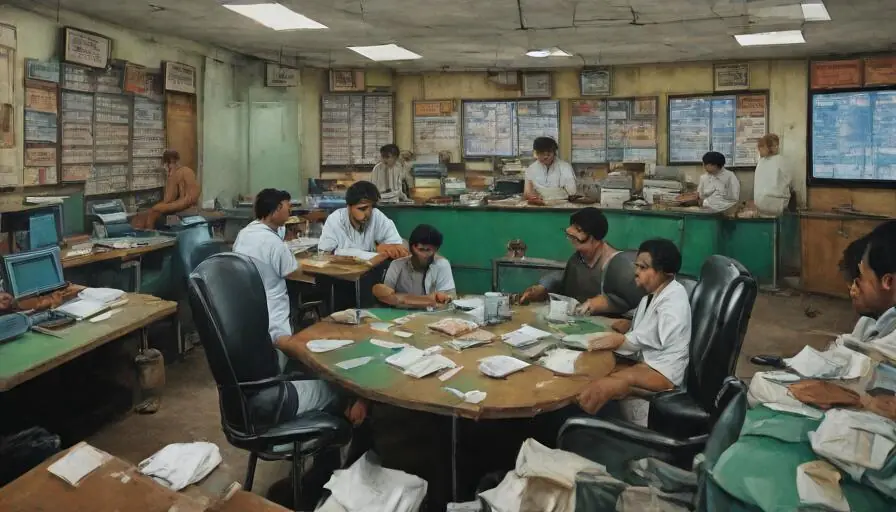
- Tehalka BigCricket operations used sting journalism and hidden audio-visual technology to uncover illegal sports gambling syndicates in India.
- Investigative reporting documented how bookmaker networks used informal Hawala channels to route millions in illicit gambling funds.
- The exposés contributed directly to the creation of the ICC Anti-Corruption and Security Unit (ACSU) in 2000.
- Findings from early cricket sting operations informed the Law Commission of India's Report No. 276 on sports betting regulation.
The Tehalka BigCricket operations refer to undercover sting investigations conducted by Indian investigative media outlet Tehelka to expose illegal cricket betting, bookmaker syndicates, and match-fixing networks in professional sports. Utilizing concealed audio-visual technology and field surveillance, these operations documented covert financial pipelines and odds-manipulation schemes within unregulated sports gambling markets. The revelations published during these exposés reshaped public understanding of sports integrity and prompted major administrative overhauls by global and national cricket governing bodies.
What Were the Tehalka BigCricket Operations?
In the late 1990s and early 2000s, sports journalism in South Asia underwent a dramatic transformation marked by the introduction of sting journalism. The Tehalka BigCricket operations were part of this broader wave of investigative reporting aimed at infiltrating shadow financial networks that operated around professional cricket. While traditional sports reporting focused on on-field performance, these undercover investigations turned the spotlight on off-field illegal wagering markets.
At the time, sports gambling in India was strictly prohibited under the Public Gambling Act of 1867. Despite legal restrictions, law enforcement agencies estimated that black-market cricket betting generated billions of dollars annually. Investigative journalists from Tehelka set out to map the infrastructure behind these numbers, demonstrating that illegal gambling was not a loose collection of independent actors, but a highly coordinated, multi-layered syndicate operating across domestic and international borders.
How Did Tehalka Conduct Undercover Cricket Investigations?
Executing sting investigations within high-stakes betting rings required sophisticated operational strategies and strict technical execution. Journalists assumed disguised identities, posing as prospective financial investors, offshore bookmakers, or high-volume punters looking to place large wagers on international matches.
Key investigative methodologies utilized during the operations included:
- Concealed Micro-Cameras: Miniaturized video cameras hidden inside lapels, ties, and everyday accessories recorded confidential face-to-face meetings with bookmakers and intermediaries.
- Covert Audio Wiretapping: Audio recording equipment captured phone calls detailing live odds manipulation, financial settlements, and internal match updates.
- Financial Tracking via Hawala: Reporters mapped non-banking, informal money transfer channels (Hawala) used by syndicates to move capital across national borders without triggering banking alerts.
- Whistleblower Audio Verification: Clandestine interviews were conducted with former players, administrators, and law enforcement officials, confirming systemic vulnerabilities in sports governance.
Key Findings of Sports Betting Exposés in Indian Cricket
The documentation gathered through the Tehalka BigCricket operations revealed a structured organizational hierarchy controlling illegal sports gambling. Rather than random chance, illegal sports books operated on rigorous risk-management protocols designed to guarantee profits for bookmakers regardless of match outcomes.
| Syndicate Tier | Primary Responsibilities | Operational Mechanism |
|---|---|---|
| Master Bookmakers | Setting match odds and managing global balance sheets | Offshore servers and proprietary odds software |
| Sub-Bookmakers | Managing local accounts and collecting client stakes | Direct phone lines and localized cash networks |
| Informants & Intermediaries | Relaying pitch conditions, team selection, and insider updates | Encrypted or private communication ahead of matches |
| Punters & Wagering Clients | Placing individual or group bets on match outcomes | Credit-based wagering accounts managed by local agents |
This structured ecosystem demonstrated that illegal bookmaking operated with corporate precision, leveraging technological tools to adjust odds in real time based on incoming betting volume.
What Impact Did Tehalka’s Cricket Stings Have on Governance and Law?
The public release of undercover video footage and audio recordings created immediate political and institutional fallout. Faced with overwhelming public pressure and statutory scrutiny, cricket administration bodies were forced to implement structural anti-corruption mechanisms that remain active today.
In response to these and related match-fixing disclosures in 2000, the International Cricket Council (ICC) established the Anti-Corruption and Security Unit (ACSU). The unit was mandated to monitor player behavior, restrict unauthorized access to dressing rooms, conduct background checks on sports personnel, and investigate suspicious betting patterns worldwide.
Domestically, Indian law enforcement agencies, including the Central Bureau of Investigation (CBI) and the Enforcement Directorate (ED), initiated extensive probes into Hawala transactions linked to sports syndicates. Decades later, the evidence gathered during early media stings informed legal studies on sports regulation. In 2018, the Law Commission of India released Report No. 276, titled Legal Framework: Gambling and Sports Betting Including in Cricket, which referenced past sports gambling scandals and evaluated framework proposals for legalizing and regulating sports betting to eliminate black-market syndicates.
How Do Modern Cricket Betting Syndicates Compare to Past Sting Revelations?
While early investigative operations targeted bookmakers using landlines, physical tally sheets, and cash transactions, contemporary sports gambling has shifted predominantly into digital channels. Modern illegal syndicates utilize end-to-end encrypted messaging applications, decentralized cryptocurrency networks, and offshore online gambling domains located in lenient regulatory jurisdictions.
Despite these technological adaptations, the core mechanics exposed during early sting operations remain identical. Sports integrity monitoring agencies still look for the specific indicators first highlighted by investigative journalists: sudden shifts in betting markets, unauthorized contact between external figures and team personnel, and unverified financial movements through illegal remittance networks. The investigative practices popularized during the Tehalka BigCricket operations provided a foundational blueprint for modern sports integrity investigations, illustrating how covert reporting can expose complex financial networks operating outside the law.
Frequently Asked Questions
What were the primary methods used in Tehalka BigCricket operations?
Tehalka utilized undercover sting tactics, including hidden audio-visual micro-cameras, disguised identity reporting, and financial tracking of Hawala networks. Journalists embedded themselves within betting circles to document direct conversations with bookmakers and intermediaries, producing verifiable recorded evidence of illegal sports gambling.
How did Tehalka's sports investigations affect international cricket governance?
The public exposés forced sports governing bodies to strengthen structural oversight. In 2000, the International Cricket Council established the Anti-Corruption and Security Unit (ACSU) to monitor match environments, restrict unauthorized access to players, and investigate suspicious betting patterns across international fixtures.
Is sports betting legal in India following these exposés?
Sports betting remains largely illegal in India under the Public Gambling Act of 1867, with exceptions for state-specific regulations or skill-based gaming formats. Following sting revelations, the Law Commission of India recommended evaluating regulated gambling frameworks to eliminate underground operations, though national legislation remains unchanged.