Penthouse: Definition, History, Costs and Design Tips
- A penthouse is a top‑floor luxury apartment with premium views and exclusive amenities.
- Historical penthouses began in the early 20th century, with notable growth after WWII.
- Costs depend on location, with Manhattan prices ranging $2,000‑$5,000 per sq ft and high maintenance fees.
- Design features like floor‑to‑ceiling glazing, private terraces and smart home systems boost resale value.
- Future trends focus on sustainability, wellness integration, and shared‑amenity “penthouse floors”.
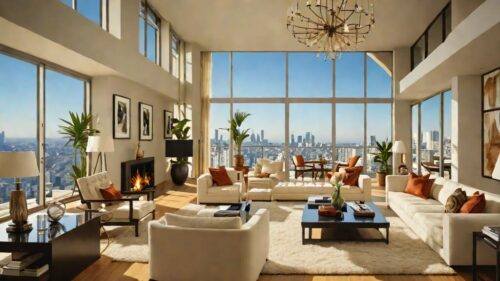
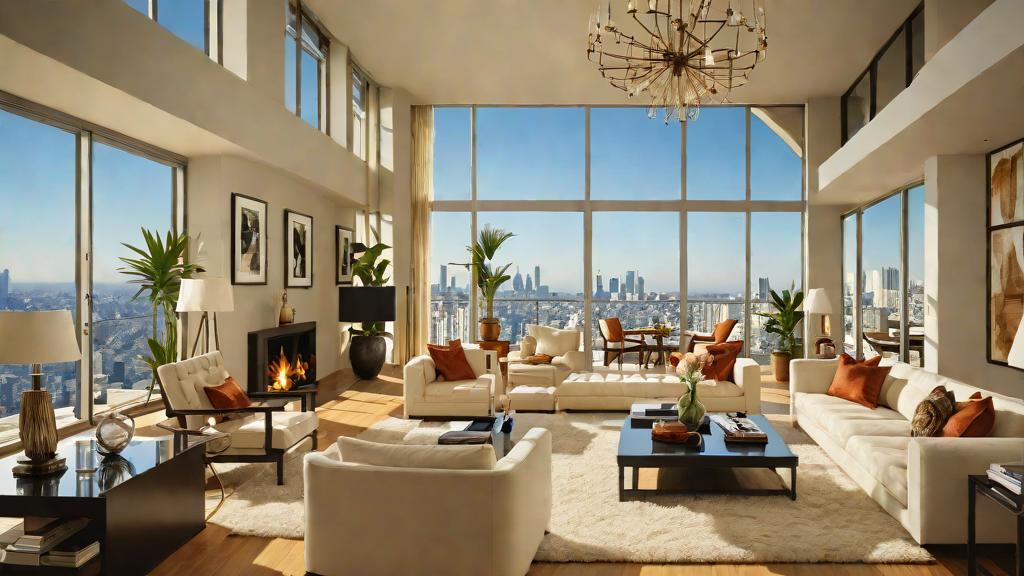
A penthouse is a luxury apartment located on the top floor or floors of a high‑rise building, offering premium views, larger floor plans, and exclusive amenities. It is typically the most prestigious residence in the building and commands higher prices than other units.
What defines a penthouse?
The term “penthouse” originally referred to a small structure built on a roof for shelter from the elements. In modern real estate it describes a top‑level unit that meets several criteria:
- Position on the highest floor(s) of the building.
- Private roof terrace or balcony in many cases.
- Higher ceiling heights, often 10 feet (3 m) or more.
- Premium finishes such as marble, hardwood, and custom cabinetry.
- Dedicated elevator access or a separate entrance.
Typical features and amenities
Luxury developers differentiate penthouses with amenities that are not available to lower‑floor residents. Common features include:
- Floor‑to‑ceiling windows that provide 180‑degree city or waterfront views.
- In‑unit smart home systems controlling lighting, climate, and security.
- Private gym, spa, or wine cellar.
- Expansive outdoor terraces equipped with pergolas, hot tubs, or outdoor kitchens.
- Service staff such as a concierge, housekeeper, or private chef.
How did penthouses evolve historically?
The modern penthouse emerged in the early 20th century as skyscrapers began to dominate city skylines. The first recognized penthouse is often credited to the 1915 Waldorf‑Astoria in New York, which added a luxury top‑floor suite for wealthy guests. During the 1920s, Manhattan’s “Art Deco” towers such as the Chrysler Building featured exclusive upper‑level apartments.
Post‑World II economic growth spurred a boom in high‑rise construction worldwide. In the 1970s and 1980s, cities like Hong Kong and Dubai began offering ultra‑high‑rise condos where the term “penthouse” became synonymous with status. By the 2000s, global wealth concentration led to record‑breaking penthouses in cities including London, Singapore, and Vancouver.
Where are the world’s most famous penthouses?
The following table lists five iconic penthouses, their locations, and a standout feature that defines them.
| City | Building | Notable Feature |
|---|---|---|
| New York | One57 | 2‑acre private roof garden overlooking Central Park |
| London | The Shard | 360‑degree views from 72nd floor |
| Dubai | Burj Khalifa Residence | Infinity pool on a sky‑deck at 828 m |
| Hong Kong | Pacific Place | Three‑story duplex with private elevator |
| Sydney | Barangaroo House | Rooftop bar exclusive to penthouse owners |
What are the cost considerations for buying a penthouse?
Purchasing a penthouse involves several financial dimensions beyond the base price per square foot.
- Location premium: In prime markets like Manhattan, prices range from US $2,000 to $5,000 per square foot (≈ £1,600‑£4,000 per ft²).
- Maintenance fees: Luxury buildings charge higher association fees, often $1‑$2 per square foot monthly, covering concierge, security, and shared amenities.
- Tax implications: Property taxes are calculated on assessed value, which for penthouses can exceed $10 million in major cities.
- Financing: Lenders may require larger down payments (30‑40 %) and higher credit scores due to the asset’s volatility.
How can you design a penthouse for maximum value?
Design decisions directly influence resale potential and rental yield. Consider these proven strategies:
- Open floor plan: Preserve sightlines and allow flexible furniture layouts.
- Floor‑to‑ceiling glazing: Enhances natural light and showcases views, a key selling point.
- Outdoor living space: Invest in high‑quality decking, weather‑proof furniture, and landscaping.
- Smart home integration: Automated lighting, climate control, and security increase perceived luxury.
- Material durability: Use stone, engineered wood, and high‑grade fixtures that age well and require minimal upkeep.
Is renting a penthouse a viable option?
Many high‑net‑worth individuals prefer short‑term rentals for flexibility. Luxury rental platforms report average monthly rents of US $15,000‑$30,000 for penthouses in cities like Los Angeles and Paris. Rental income can offset ownership costs, but tenants should expect strict lease terms, higher security deposits, and comprehensive insurance requirements.
What legal and zoning issues affect penthouses?
Local zoning codes dictate the maximum height and floor‑area ratio (FAR) of a building, which in turn limits the number of penthouse units. Some municipalities require separate fire‑egress routes for top‑floor dwellings. Buyers should review the building’s covenants, conditions, and restrictions (CC&Rs) to ensure that planned alterations, such as adding a terrace, are permissible.
How does a penthouse compare to a duplex or townhouse?
While a penthouse occupies the highest point of a vertical structure, a duplex or townhouse spans multiple levels of a low‑rise building. Key differences include:
- Views: Penthouses typically enjoy unobstructed skyline or water vistas; townhouses may be limited by neighboring structures.
- Privacy: Penthouses often have private elevator access, whereas townhouses share driveways.
- Land ownership: Townhouses may include a small plot of land, whereas penthouses usually do not own ground space.
Future trends for penthouses
Three trends are shaping the next generation of top‑floor living:
- Sustainability: Net‑zero energy designs, solar panels on roof terraces, and recycled building materials.
- Wellness integration: Private fitness pods, circadian lighting, and air‑filtration systems.
- Co‑living concepts: Some developers are experimenting with multiple‑unit “penthouse floors” that share communal amenities while retaining private spaces.
Whether bought, rented, or simply admired, penthouses remain a symbol of urban prestige, combining architecture, location, and luxury into a single high‑rise experience.
Frequently Asked Questions
Can I convert a regular top‑floor apartment into a penthouse?
Conversion is possible but requires approval from the building’s management and local zoning authorities. You may need to add a private terrace, upgrade ceiling heights, and install separate elevator access, all of which can increase construction costs significantly.
What are typical rental rates for penthouses in major cities?
Rental rates vary widely; in New York City a penthouse can command $20,000‑$35,000 per month, while in London figures range from £12,000‑£25,000. In emerging markets such as Dubai, monthly rents often fall between $8,000‑$15,000 for comparable units.
Do penthouses have higher property taxes than other units?
Yes. Property taxes are assessed on the market value of each unit, and penthouses usually have the highest valuations in a building. In high‑cost markets this can translate to tax bills that are 20‑30 % higher than those for lower‑floor condos.
Is a private elevator required for a unit to be called a penthouse?
A private or dedicated elevator is not legally required, but it is a common feature that distinguishes a true penthouse from a standard top‑floor apartment. Developers often market the exclusive access as a key luxury benefit.
About The Author