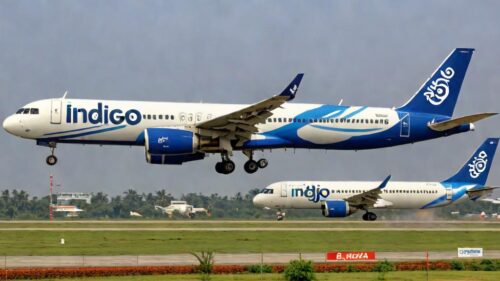
IndiGo Flight Experiences Tail Strike in Bengaluru Due to Adverse Weather
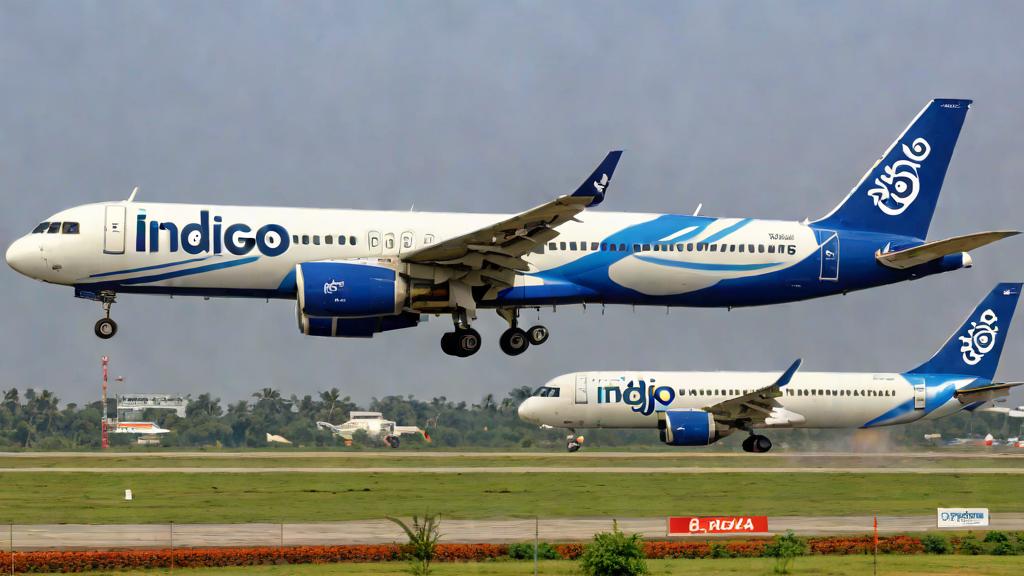
- An IndiGo Airbus A321 flight from Guwahati to Bengaluru suffered a tail strike and abnormal runway contact upon landing.
- IndiGo officially clarified the incident, attributing the abnormal runway contact directly to challenging weather conditions in Bengaluru.
- Tail strikes involve physical contact between the aircraft tail and the runway, a risk heightened on longer jets like the Airbus A321 during turbulent weather.
Current weather in Bengaluru has directly impacted regional flight operations, contributing to a severe aviation incident involving an incoming commercial airliner. An IndiGo Airbus A321 flying from Guwahati to Bengaluru experienced a tail strike and abnormal runway contact while landing at Bengaluru airport, an occurrence the airline explicitly attributed to adverse weather conditions. Understanding how local wind patterns and weather in Bengaluru affect aircraft landings highlights the significant operational challenges posed by unpredictable atmospheric changes during approach maneuvers.
What happened during the IndiGo flight landing in Bengaluru?
An IndiGo flight operating on the Guwahati-Bengaluru route encountered severe landing difficulties at Kempegowda International Airport in Bengaluru, resulting in a tail strike. According to official airline updates, the Airbus A321 aircraft made abnormal runway contact during its touchdown phase. IndiGo issued a clarification confirming the incident and officially attributed the abnormal contact to difficult weather in Bengaluru at the time of landing.
A tail strike occurs when the aft section or rear tail fuselage of an aircraft makes physical contact with the runway surface during takeoff or landing maneuvers. While specific figures regarding passenger counts, exact wind velocity, or structural damage levels were not detailed in initial news reports, the airline identified environmental conditions as the primary contributing factor. Flight operations teams routinely monitor real-time meteorological conditions, but rapid micro-level shifts in wind speed or direction near the runway surface can suddenly alter an aircraft’s descent profile without ample forewarning.
How does weather in Bengaluru influence aviation safety?
Atmospheric conditions and localized weather in Bengaluru significantly influence low-altitude flight mechanics, particularly during final approach and touchdown. The geographic location and elevated topography of Bengaluru make its airspace prone to specific meteorological phenomena, including sudden convective wind shifts, strong crosswinds, localized downdrafts, and seasonal rain showers.
When commercial aircraft descend toward the runway, unexpected weather phenomena can severely disrupt aerodynamic stability:
- Wind Shear: Rapid changes in wind speed or direction over a short distance can suddenly reduce lift, forcing the tail down as pilots correct pitch.
- Crosswinds: Lateral gusts push the aircraft off the runway centerline, demanding aggressive rudder and pitch inputs during the flare maneuver.
- Downdrafts and Microbursts: Strong sinking air currents push the aircraft downward rapidly, causing hard impacts or abnormal runway contact.
- Reduced Visibility: Heavy cloud cover or sudden downpours affect visual cues for pitch and attitude alignment right above the runway threshold.
Pilots landing in changing weather in Bengaluru must continuously calculate pitch attitude and airspeed to prevent pitch overshoot, which is a primary physical cause of tail strike incidents.
What is an Airbus A321 tail strike and why are longer aircraft vulnerable?
The Airbus A321 is a stretched variant of the popular A320 family, featuring a longer fuselage to accommodate more passengers. Because of its extra length, the distance between the main landing gear and the rear section of the tail is significantly increased, giving the A321 a lower geometric pitch margin on landing compared to shorter narrow-body aircraft.
During touchdown in stormy or gusty weather in Bengaluru, pilots perform a maneuver called the landing flare to reduce vertical sink speed before contact. If adverse weather suddenly drops the aircraft’s airspeed or creates an unexpected sink rate, pilots may increase the nose-up pitch angle to cushion the landing impact. If the pitch angle exceeds safe design thresholds while the main gear is close to or contacting the runway, the lower tail section will strike the pavement. Aircraft manufacturer guidelines strictly dictate maximum pitch angles during flare, but turbulent weather can push an aircraft past these safe operating limits in fractions of a second.
Summary of the Guwahati-Bengaluru IndiGo incident
The following table outlines the confirmed facts regarding the recent aviation incident alongside context on flight safety protocols affected by weather in Bengaluru:
| Incident Parameter | Confirmed Details and Aviation Context |
|---|---|
| Airline & Aircraft Type | IndiGo / Airbus A321 aircraft |
| Origin & Destination | Guwahati to Bengaluru |
| Event Classification | Abnormal runway contact / Tail strike upon landing |
| Location | Bengaluru Airport (Kempegowda International Airport) |
| Primary Stated Cause | Adverse local weather in Bengaluru (as clarified by IndiGo) |
| Unspecified Details | Exact flight date, precise wind speeds, exact passenger numbers, and specific structural damage assessments remain undisclosed in early reports. |
How do airlines handle weather-related runway incidents?
When unpredictable weather in Bengaluru leads to an abnormal runway contact or tail strike, strict aviation regulatory and airline procedures are instantly activated. Following any structural runway contact, the operational sequence includes:
- Immediate Grounding: The aircraft is grounded immediately for mandatory engineering inspection and comprehensive structural integrity checks.
- Data Preservation: Flight data recorders (black boxes) and cockpit voice recorders are secured for aviation safety investigators to reconstruct the approach.
- Official Reporting: The airline issues formal statements to safety regulators and the public clarifying the circumstances, as IndiGo provided following this event.
- Meteorological Analysis: Detailed weather data from the exact time of approach is analyzed alongside pilot control inputs to determine precise atmospheric triggers.
These standard operating measures ensure complete transparency, uphold aviation safety standards, and help refine future weather response protocols for flights operating in challenging meteorological conditions across India.
Sources
Frequently Asked Questions
What caused the IndiGo flight tail strike at Bengaluru airport?
IndiGo officially attributed the tail strike to adverse weather conditions in Bengaluru during the aircraft's landing phase. Sudden wind shifts or downdrafts during approach can alter an aircraft's pitch angle, causing abnormal contact between the tail and the runway.
Which aircraft model was involved in the Bengaluru landing incident?
The incident involved an Airbus A321 aircraft operated by IndiGo on a flight from Guwahati to Bengaluru. The A321's elongated fuselage naturally provides smaller pitch clearance margins during flared landings in adverse weather.
Were any flight details like exact wind speeds or injuries disclosed?
Specific wind speeds, exact passenger figures, and injury reports were not stated in the initial media reports. Official airline communications confirmed the flight route, aircraft model, and weather conditions as the primary focus.
About The Author