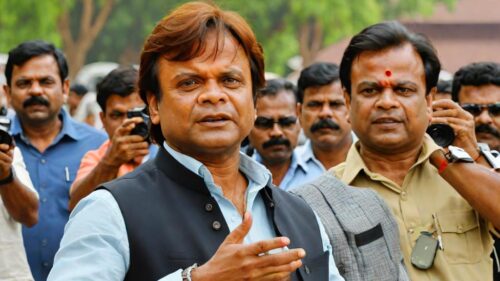
Supreme Court Orders Rajpal Yadav to Pay Rs 2 Crore in Cheque‑Bounce Case and Throws in Movie Banter
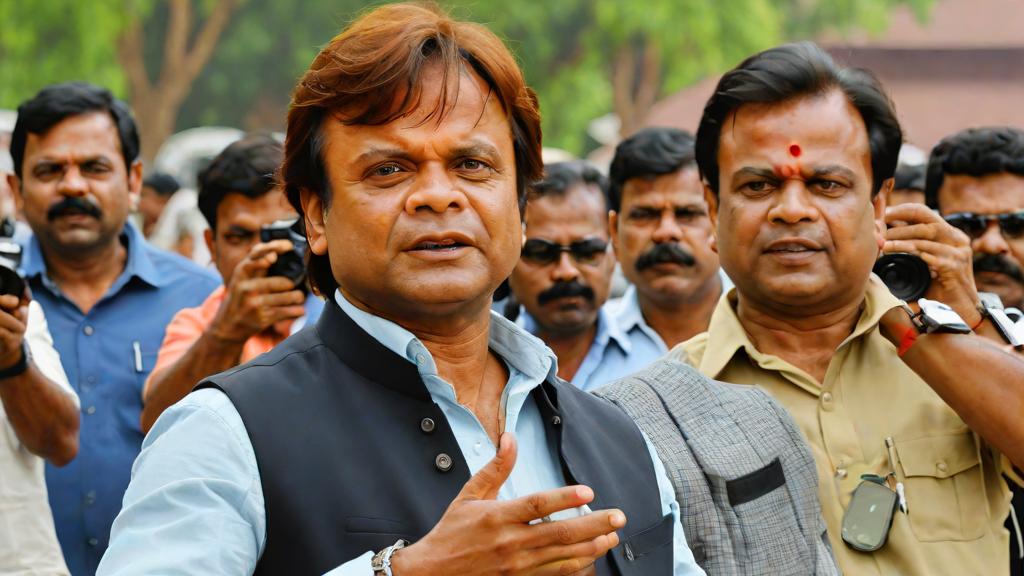
- The Supreme Court ordered Rajpal Yadav to deposit Rs 2 crore by October 13 in a Rs 9 crore cheque‑bounce case.
- Yadav has already paid Rs 1.15 crore, and the chief justice suggested a good movie could restore his image.
- The chief justice’s comment that "Lawyers are good actors" was a light‑hearted remark, not a legal ruling.
The Supreme Court has ordered Bollywood actor Rajpal Yadav to deposit Rs 2 crore by October 13 in a pending Rs 9 crore cheque‑bounce case. The court’s chief justice also used the hearing to comment humorously on Yadav’s film career, suggesting a good movie could restore his image.
What did the Supreme Court specifically order Rajpal Yadav to do?
According to a Times of India report, the apex court set a deadline of October 13 for Yadav to pay Rs 2 crore in a case involving bounced cheques totalling Rs 9 crore. The order is a direct monetary directive; the court did not announce any additional penalties or criminal convictions in the headline.
Why is the Chief Justice talking about movies during a legal hearing?
During the same hearing, the Chief Justice made a light‑hearted remark that “Lawyers here are good actors,” a comment captured by NDTV. The comment was framed as banter aimed at Yadav, who is known for his comedic roles in Hindi cinema. The chief justice used the analogy to highlight the performative aspects of courtroom advocacy, without implying any procedural bias.
How much has Rajpal Yadav already paid, and what did the chief justice say after that payment?
Live Law reported that Yadav deposited Rs 1.15 crore toward his cheque‑bounce liabilities. Following the payment, the chief justice told him, “Make a good movie, you can restore your image.” This statement links the actor’s professional reputation to his legal obligations, but does not constitute a formal judicial order.
Key figures from the case
| Item | Amount |
|---|---|
| Total cheque‑bounce liability | Rs 9 crore |
| Amount ordered to be deposited by Oct 13 | Rs 2 crore |
| Amount already paid (as reported) | Rs 1.15 crore |
What is the broader role of the Supreme Court in India?
The Supreme Court of India is the highest judicial authority, responsible for interpreting the Constitution, reviewing lower‑court decisions, and safeguarding fundamental rights. Its judgments set binding precedents for all courts in the country. While the court can issue monetary directives, it does not manage criminal prosecutions; those are handled by investigative agencies and trial courts.
How do cheque‑bounce cases typically proceed in Indian courts?
Cheque‑bounce (or “dishonour of cheque”) cases fall under the Negotiable Instruments Act, 1881. The plaintiff files a civil suit seeking repayment of the cheque amount plus interest and costs. The court may order the defendant to pay the amount, impose a fine, or, in repeated offences, direct criminal prosecution. The Supreme Court intervenes only when appeals reach the apex level or when a matter raises substantial legal questions.
What can the public expect next in this case?
The deadline of October 13 is the next concrete milestone. If Yadav complies, the court may close the specific monetary order, though the remaining Rs 7.85 crore (Rs 9 crore – Rs 1.15 crore) will still need to be addressed through further proceedings. Failure to meet the deadline could lead to contempt proceedings or additional financial penalties, but the headlines do not specify any such outcome.
Why does the chief justice’s movie comment matter?
Judicial remarks that reference popular culture can influence public perception of the judiciary. By framing the discussion in cinematic terms, the chief justice made the hearing more relatable, but he did not alter the legal requirements. The comment underscores the court’s awareness of the media spotlight surrounding high‑profile defendants.
How does this news fit into the current legal climate in India?
High‑profile financial disputes, especially involving celebrities, often attract media attention that can shape public discourse on judicial efficiency and accountability. The Supreme Court’s clear monetary directive demonstrates its willingness to enforce repayment in large‑scale civil matters, reinforcing the principle that financial obligations must be honoured regardless of a defendant’s fame.
Conclusion
The Supreme Court’s order for Rajpal Yadav to deposit Rs 2 crore by October 13 is a straightforward monetary directive in a Rs 9 crore cheque‑bounce case. The chief justice’s cinematic quip adds a human‑interest angle but does not affect the legal obligations. As the deadline approaches, compliance will determine whether the case proceeds to further recovery steps or is considered resolved.
Potential legal consequences of non‑compliance
If Rajpal Yadav fails to deposit the remaining Rs 2 crore by the court‑ordered deadline, the Supreme Court can initiate contempt of court proceedings. Under the Contempt of Courts Act, 1971, the court may impose a fine up to Rs 10 crore or order imprisonment of up to six months, or both, depending on the severity of the breach. Additionally, the lower‑court decree that originally ordered repayment could be enforced through attachment of assets, garnishment of bank accounts, or the issuance of a writ of execution.
Impact on Yadav’s career and public image
The chief justice’s suggestion that a successful film could “restore his image” taps into a broader debate about how legal troubles affect celebrity branding. Industry analysts note that while a high‑profile case may temporarily dent an actor’s market value, a well‑received movie can quickly reverse public sentiment. In Yadav’s case, a box‑office hit could shift media focus from the legal dispute to his artistic performance, potentially mitigating the reputational damage caused by the cheque‑bounce allegations.
Expert opinions on judicial commentary
Legal scholars have mixed views on the appropriateness of a chief justice using pop‑culture references in a formal hearing. Some argue that such remarks humanise the bench and make complex legal matters more accessible to the lay public. Others caution that any off‑hand comment, even if benign, may be perceived as bias or could set a precedent for informal judicial language that undermines the gravitas of court proceedings. The consensus, however, is that as long as the comment does not influence the substantive order, it remains within acceptable bounds.
Frequently asked questions (FAQ)
- Will the Supreme Court revisit the Rs 9 crore liability after the Rs 2 crore is paid? Yes. The court will likely schedule a further hearing to address the balance of Rs 7.85 crore, which may involve a structured settlement or additional enforcement measures.
- Can Yadav appeal the order to deposit Rs 2 crore? He may file a review petition under Article 137 of the Constitution, but such petitions are entertained only on limited grounds, such as a clear error apparent on the face of the record.
- Does the chief justice’s comment have any legal weight? No. It is a non‑binding observation meant to convey a broader message; the enforceable part of the judgment remains the monetary directive.
Sources
- Rajpal Yadav told to deposit Rs 2 crore by October 13 in Rs 9 crore cheque-bounce case, Supreme Court war — The Times of India
- "Lawyers Here Are Good Actors": Chief Justice-Rajpal Yadav's Banter On Movies — NDTV
- 'Make A Good Movie, You Can Restore Your Image': CJI To Rajpal Yadav After He Deposits 1.15 Cr In Cheque Bounce Cases — Live Law
Frequently Asked Questions
What is the deadline for Rajpal Yadav to pay the court‑ordered amount?
The Supreme Court set October 13 as the deadline for Rajpal Yadav to deposit Rs 2 crore in the cheque‑bounce case.
How much does Rajpal Yadav still owe after his recent payment?
After paying Rs 1.15 crore, Yadav still faces a total liability of Rs 9 crore, leaving Rs 7.85 crore outstanding.
Did the chief justice issue any new legal penalties in his movie comment?
No. The chief justice’s suggestion to "make a good movie" was a casual remark and did not create any additional legal penalties.
What is the Supreme Court’s role in financial disputes like cheque‑bounce cases?
The Supreme Court reviews appeals and can issue monetary directives, but the initial filing and fact‑finding are handled by lower courts under the Negotiable Instruments Act.
What could happen if Yadav misses the October 13 deadline?
While the headlines do not specify, failure to meet a court‑ordered payment deadline can lead to contempt proceedings or additional financial sanctions.
About The Author