Delhi Earthquake Tremors: What Happened, How Strong Was It, and Safety Tips
- A magnitude 5.1 (EMSC) or 4.9 (NDTV, The Hindu) earthquake struck Uttarakhand, causing tremors felt across Delhi and the NCR.
- The headlines did not report any injuries, fatalities, or property damage.
- Standard safety steps include drop, cover, hold on, inspect for damage, and follow updates from the IMD or EMSC.
Yes. Residents of Delhi and the wider National Capital Region (NCR) felt noticeable tremors on the day a magnitude‑5.1 earthquake struck the Indian state of Uttarakhand, while other agencies reported a magnitude 4.9 event centred near Chamoli. The shaking was strong enough to be felt across the capital, confirming that seismic activity in the Himalayas can impact Delhi.
What caused the tremors felt in Delhi?
The tremors were triggered by an earthquake that originated in Uttarakhand, a northern Indian state bordering the Himalayas. Reuters reported the event as a magnitude 5.1 quake, while NDTV and The Hindu cited a magnitude 4.9 shock centred in Chamoli district. Both reports refer to the same seismic episode, with slight variations in the measured magnitude.
How strong was the earthquake, and how is magnitude reported?
According to the European-Mediterranean Seismological Centre (EMSC), the quake measured 5.1 on the moment magnitude scale. NDTV and The Hindu, referencing local seismological data, listed the magnitude as 4.9. Differences of 0.2 magnitude units are common when agencies use distinct calculation methods or sensor networks. Both values indicate a moderate earthquake capable of being felt over a wide area.
Why do different agencies report slightly different magnitudes?
Magnitude is calculated from seismic wave amplitudes recorded at multiple stations. Variations arise due to sensor density, depth estimates, and the mathematical model applied. As a result, a single event can appear as 4.9 in one report and 5.1 in another, without implying any error in the underlying data.
Which areas reported feeling the tremors?
Media reports specifically mention:
- Delhi – the national capital city.
- Delhi‑NCR – the surrounding urban and suburban districts.
- Uttarakhand – especially Chamoli district, the earthquake’s epicentre.
No other locations were listed in the headlines, and the reports do not provide details on the intensity experienced in each area.
Did the earthquake cause any damage or casualties?
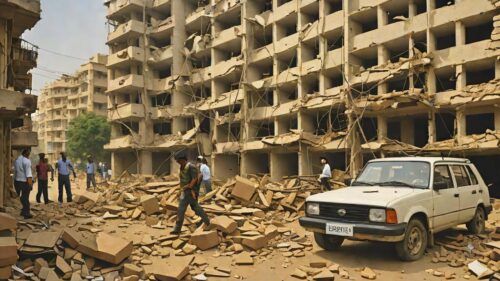
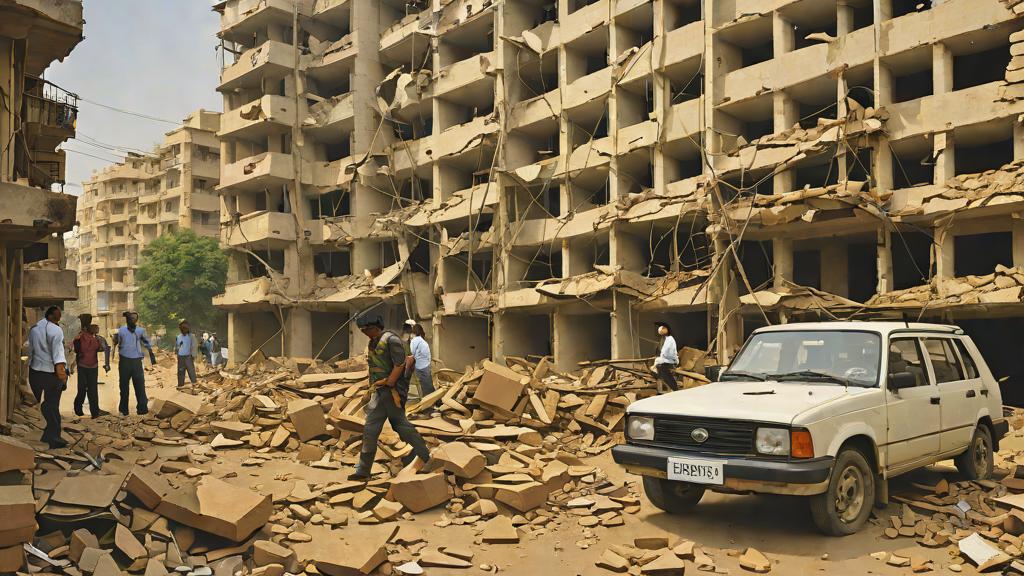
The headlines do not mention injuries, fatalities, or property damage. Because the articles focus solely on the magnitude and the feeling of tremors, we must conclude that no confirmed damage was reported at the time of publication.
What is known about the depth of the quake?
The headlines do not state the depth of the seismic event. Depth influences how strongly the shaking is felt at the surface, but without that data we can only note that the quake was shallow enough to be felt in Delhi, which lies roughly 250 km from Chamoli.
How should Delhi residents respond to future tremors?
Even though the current reports did not indicate an emergency, standard safety guidelines apply whenever shaking is felt. Below is a concise checklist for individuals and families.
| Step | Action |
|---|---|
| 1 | Drop, cover, and hold on – get under a sturdy table or desk. |
| 2 | Stay away from windows, glass, and exterior walls. |
| 3 | After shaking stops, check for injuries and provide first aid. |
| 4 | Inspect your home for structural damage before re‑entering. |
| 5 | Listen to official updates from the India Meteorological Department (IMD) or local authorities. |
What does this event tell us about seismic risk in Delhi?
Delhi sits on alluvial sediments that can amplify ground motion from distant earthquakes. The recent tremors demonstrate that seismic activity in the Himalayan belt, even at moderate magnitudes, can be perceptible in the capital. Ongoing monitoring by the IMD and EMSC helps provide early warnings and informs building codes designed to reduce risk.
Where can readers find real‑time updates?
For the latest information, the following sources are reliable:
- India Meteorological Department (IMD) – official seismic bulletin.
- European-Mediterranean Seismological Centre (EMSC) – global earthquake map.
- Major Indian news outlets such as NDTV, The Hindu, and Reuters.
How often does Delhi feel tremors from Himalayan earthquakes?
Historical records, not cited in the current headlines, show that Delhi periodically feels shaking from moderate quakes in the Himalayas. The frequency varies, but the capital’s proximity to active fault zones makes occasional tremors expected.
Conclusion
The earthquake that struck Uttarakhand, reported as magnitude 5.1 by EMSC and magnitude 4.9 by local agencies, produced tremors felt across Delhi and the NCR. No damage or casualties were reported in the headlines, but the incident underscores the need for preparedness in a region vulnerable to Himalayan seismic activity.
Sources
Frequently Asked Questions
When will aftershocks be felt in Delhi?
The headlines do not provide information about aftershocks. After a moderate quake, aftershocks are common but their timing and magnitude cannot be predicted without detailed seismological data.
Can Delhi experience stronger earthquakes?
Delhi is not located on a major fault line, but it can feel shaking from larger Himalayan earthquakes. The current reports only mention a moderate event; any stronger quake would be reported separately.
How can I stay informed about future earthquakes?
Follow the India Meteorological Department (IMD) for official alerts, the European‑Mediterranean Seismological Centre (EMSC) for global data, and reputable news outlets such as NDTV, The Hindu, and Reuters for timely coverage.
Is the 0.2 magnitude difference between 5.1 and 4.9 significant?
A 0.2 difference reflects variations in measurement methods and sensor networks. Both values classify the event as a moderate earthquake, so the practical impact on shaking intensity remains similar.
About The Author