Pentagon and Lockheed Martin Weigh Multi-Year F-35 Lightning II Production and Sustainment Deal
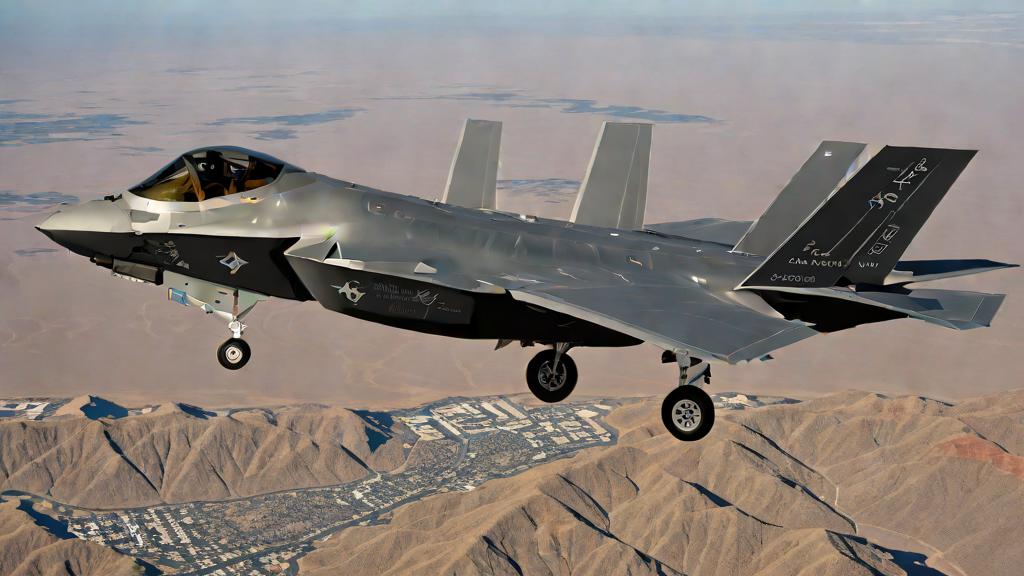
- The Pentagon and Lockheed Martin are weighing a multi‑year, potentially decade‑long, production and sustainment contract for the F‑35 Lightning II.
- Headlines describe the prospective deal as a “mega contract” that would bundle new aircraft builds with long‑term logistics support.
- Specific contract length, unit numbers, and pricing have not been disclosed, and final terms remain under negotiation.
The Pentagon and Lockheed Martin are currently discussing a multi‑year production and sustainment agreement for the F‑35 Lightning II, with the United States considering a framework that could extend for a decade. The talks aim to lock in pricing, delivery schedules, and long‑term support for the jet fleet, but specific terms have not been disclosed.
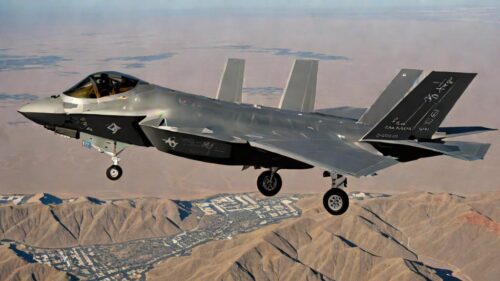
The F‑35 Lightning II is a fifth‑generation stealth fighter built in three variants—Air Force (F‑35A), Marine Corps (F‑35B), and Navy (F‑35C). Since its entry into service, the aircraft has become the backbone of U.S. and allied air forces, with more than 800 aircraft delivered worldwide. The program is managed by the Department of Defense’s F‑35 Joint Program Office and manufactured by Lockheed Martin, with key partners supplying engines, avionics, and weapons.
What is the new multi‑year F‑35 contract being discussed?
According to recent headlines from Breaking Defense, Israel Defense, and Army Recognition, the Pentagon and Lockheed Martin are weighing a multi‑year production and sustainment deal for the F‑35. The reports describe the proposal as a “mega contract” that would cover both new aircraft builds and ongoing logistics support. No exact dollar amount, contract length, or delivery number has been released, and the parties have not confirmed a final agreement.
Why would the Pentagon pursue a multi‑year deal?
A multi‑year contract can provide several strategic advantages:
- Budget predictability: Locking in prices over several years helps the Department of Defense manage its annual appropriations.
- Supply‑chain stability: A long‑term commitment encourages suppliers to maintain steady production lines and reduces the risk of component shortages.
- Operational continuity: Sustained logistics support ensures aircraft readiness and reduces downtime for maintenance.
- Negotiation leverage: A larger, multi‑year scope can allow for more favorable terms on pricing and technology upgrades.
How long could the proposed production and sustainment framework last?
One of the headlines explicitly notes that the United States is weighing a “potential decade‑long” framework for the F‑35. This suggests that discussions are exploring a contract duration of up to ten years, encompassing both new production runs and long‑term sustainment services. The exact start date and end date remain undefined in public reporting.
What does a decade‑long framework mean for Lockheed Martin?
For Lockheed Martin, a ten‑year agreement would represent a significant revenue stream and a stable production schedule. It would also give the company confidence to invest in tooling, workforce training, and next‑generation upgrades for the F‑35 platform. However, the firm has not disclosed any statements confirming the financial impact or internal planning related to such a contract.
What are the next steps in the negotiation?
Based on the three source headlines, the next phase will likely involve formal negotiations between senior officials from the Pentagon’s acquisition offices and Lockheed Martin’s contract leadership. The parties will need to define:
- The exact number of aircraft to be produced each fiscal year.
- The scope of sustainment services, including spare parts, software updates, and depot‑level maintenance.
- Pricing mechanisms that protect both the government budget and the contractor’s margins.
- Milestones for performance reviews and contract adjustments.
Until a contract is signed, all details remain speculative, and both sides are expected to release official statements only after a final agreement is reached.
Quick reference: Known details vs. open questions
| Known Details | Open Questions |
|---|---|
| Both Pentagon and Lockheed Martin are actively weighing a multi‑year F‑35 deal. | Exact contract length (beyond the possibility of a decade) is not disclosed. |
| The framework could cover production and sustainment. | Specific dollar value and unit count remain unknown. |
| Reports label the potential agreement as a “mega contract.” | Timeline for final negotiations and award is not public. |
In summary, the United States is exploring a long‑term partnership with Lockheed Martin to secure the future of the F‑35 Lightning II fleet. While the concept of a decade‑long, multi‑year contract is gaining traction, concrete terms are still under negotiation.
What challenges could affect the multi‑year F‑35 agreement?
Negotiating a long‑term contract for a complex fighter jet involves several risk factors. Budget cycles in Congress, evolving threat environments, and potential technology upgrades can all reshape the scope of the deal. Additionally, supply‑chain constraints or shifts in foreign‑policy priorities could introduce delays or require renegotiation.
- Congressional appropriations may fluctuate, altering the funds available for each fiscal year.
- Emerging cyber or electronic‑warfare threats could demand rapid avionics upgrades.
- Component shortages, such as engine parts, could impact production rates.
- Changes in U.S. foreign‑policy could affect partner nation participation and funding.
How does this proposal differ from earlier F‑35 procurement cycles?
Previous acquisition phases focused on low‑rate initial production and testing, followed by incremental increases in unit buys. The current discussions, as reflected in the headlines, emphasize a “mega contract” that would bundle production with sustainment for an extended period, potentially streamlining logistics and cost management. While earlier contracts were often year‑by‑year, this approach seeks to lock in longer‑term commitments.
International partners, including NATO allies, monitor U.S. procurement strategies because they can influence foreign‑military‑sale terms, technology‑transfer timelines, and shared logistics networks. A stable, decade‑long U.S. framework could provide predictability for allied procurement plans, but the exact impact remains uncertain until details are finalized.
Sources
Frequently Asked Questions
What is the purpose of a multi‑year F‑35 contract?
A multi‑year contract aims to lock in aircraft pricing, delivery schedules, and sustainment services over several fiscal years, providing budget predictability and supply‑chain stability for both the Department of Defense and Lockheed Martin.
How could a decade‑long framework affect the overall cost of the F‑35 program?
A decade‑long framework could spread development and sustainment expenses over a longer period, potentially reducing annual cost spikes and allowing for more efficient budgeting, though exact cost impacts have not been disclosed.
Will allied nations be impacted by the U.S. multi‑year F‑35 deal?
Allied countries monitor U.S. procurement decisions because a stable, long‑term U.S. contract can influence foreign‑military‑sale terms, technology‑transfer timelines, and shared logistics networks, offering greater predictability for their own acquisition plans.
When is the Pentagon expected to finalize the multi‑year agreement?
The headlines do not provide a specific timeline for finalization; the parties are still in the negotiation phase, and official statements are expected only after a definitive agreement is reached.
About The Author