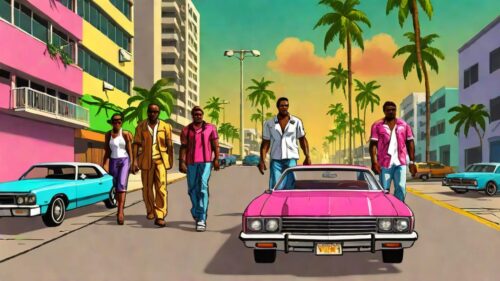
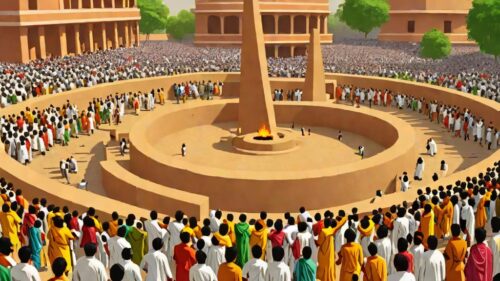
Jantar Mantar Protest Game: What Is the Viral ‘Jantar Mantar Chalo’ Game?
- Jantar Mantar Chalo is a viral indie protest video game created by a 27-year-old developer.
- Core gameplay mechanics involve dodging police officers, evading tear gas, holding a sit-in dharna, and interacting with figures like Gyanesh Kumar.
- The game enables players—particularly Gen Z—to participate in virtual political protest without the risk of real-world physical detention.
- The title draws inspiration from New Delhi's historic Jantar Mantar protest site, long known as a landmark for public demonstrations.
The viral Jantar Mantar game, officially titled “Jantar Mantar Chalo,” is an indie video game created by a 27-year-old developer that allows players to simulate peaceful street demonstrations online. In the game, players dodge police officers, avoid tear gas canisters, hold a virtual dharna (sit-in protest), and interact with political figures like Gyanesh Kumar without risk of real-world detention. The project recently went viral among Gen Z digital activists as a creative outlet for political expression and virtual protest.
What Is the Viral Jantar Mantar Protest Game?
The Jantar Mantar game has quickly emerged as a viral sensation across social media platforms, capturing the interest of digital activists and casual gamers alike. Titled “Jantar Mantar Chalo,” the game turns real-world civil demonstration dynamics into an interactive digital experience. Players navigate a virtual representation of street demonstrations where the main objectives are to evade law enforcement, survive environmental hazards like tear gas, and maintain a peaceful protest stance.
Developed by a 27-year-old creator, the game addresses modern political assembly by giving young people—particularly Gen Z—a medium to express dissent safely from their digital devices. Instead of facing physical barriers, police barricades, or immediate detention on the street, players engage in virtual activism. The project gained widespread online attention after social media users began sharing clips of gameplay featuring humorous interactive elements, such as giving a symbolic “Tapli” (slap) to public figures like Gyanesh Kumar.
Gameplay Mechanics: How Do You Play ‘Jantar Mantar Chalo’?
The core loop of the “Jantar Mantar Chalo” game centers on traditional protest tactics reimagined through arcade-style video game mechanics. Players must skillfully navigate crowds and public spaces while managing threats from pursuing law enforcement officers.
Core Gameplay Elements
In the game, players are tasked with surviving as long as possible while standing their ground during a public demonstration. The following table summarizes the primary gameplay features reported in recent news highlights:
| Gameplay Feature | In-Game Action | Player Objective |
|---|---|---|
| Dodge Police | Maneuver around oncoming law enforcement officers | Avoid physical capture and detention |
| Evade Tear Gas | Navigate away from smoke and tear gas projectiles | Maintain character health and visibility |
| Hold a Dharna | Stage a sit-in demonstration | Sustain peaceful protest score or progress |
| Character Interaction | Deliver a symbolic ‘Tapli’ to Gyanesh Kumar | Engage in satirical political expression |
By translating complex social realities into accessible mechanics—such as dodging cops and dodging tear gas—the game allows users to experience the tension of public demonstrations without stepping onto physical streets.
Why Has ‘Jantar Mantar Chalo’ Gone Viral Among Gen Z?
The rapid surge in popularity of the Jantar Mantar game highlights an evolving trend in how younger generations approach political participation. Dubbed as “next level” activism by online commentators, the game offers a platform for youth who wish to participate in public dialogue but may face geographical, legal, or safety restrictions in real life.
Gen Z audiences have increasingly turned to gaming, memes, and digital media to communicate sociopolitical views. The concept of “protest without detention” resonates strongly in an era where physical demonstrations can carry personal risks. By gamifying civil resistance, the developer has created a digital outlet that serves both as lighthearted political satire and as a symbolic vehicle for free speech. The viral nature of the game on social media platforms further demonstrates how digital gaming can raise awareness about civil rights and peaceful assembly in modern society.
Historical Context: Why Jantar Mantar Matters for Protests
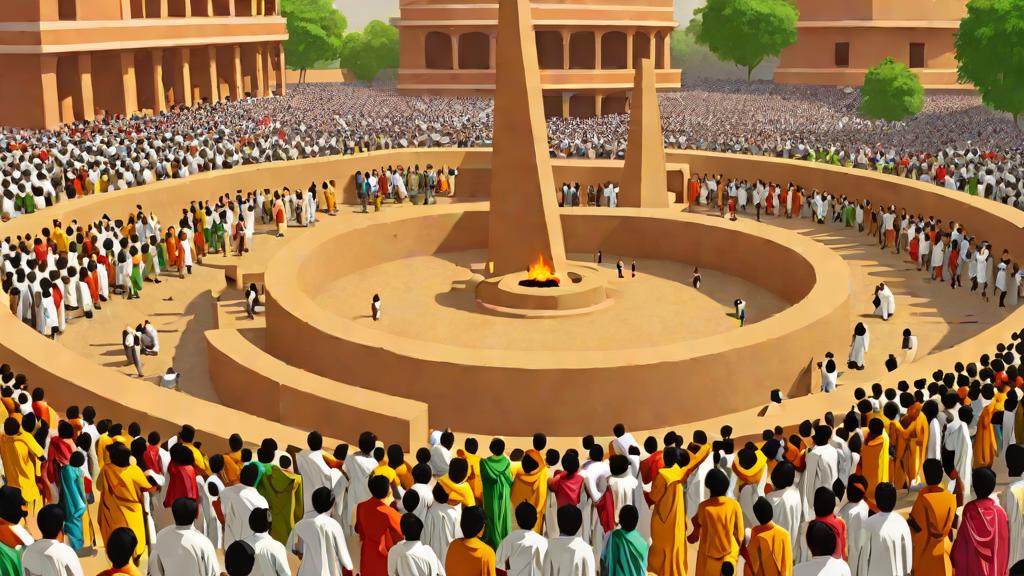
To understand the significance of the “Jantar Mantar Chalo” game, it is useful to look at the real-world location that inspired its name. Jantar Mantar is an iconic 18th-century astronomical observatory located in New Delhi, India. Over recent decades, the designated street adjacent to the monument became world-famous as India’s primary hub for political demonstrations, public rallies, hunger strikes, and peaceful sit-in protests (dharnas).
Because Jantar Mantar is situated near key governmental institutions in the capital, citizens, trade unions, student groups, and activist coalitions from across the country historically gathered there to voice grievances to policymakers. The location became synonymous with civil liberty, popular movement, and constitutional rights to peaceful assembly. While specific technical details regarding software engines or prospective future updates for the “Jantar Mantar Chalo” game remain unannounced, its setting directly evokes this historic legacy of Indian democratic expression.
Who Created the Game and What Comes Next?
News reports confirm that the Jantar Mantar protest game was designed and released by a 27-year-old independent developer. While specific personal details, developer identities, and official distribution platforms (such as app stores or web browser hosting sites) have not been fully detailed in public announcements, the game’s cultural impact has already been widely noted across major news outlets like ThePrint, The Indian Express, and ED Times.
As interest in virtual activism grows, digital games like “Jantar Mantar Chalo” demonstrate how software development can intersect with contemporary social dialogue. Whether the title expands with additional levels, broader political commentary, or multiplayer protest features remains to be seen, but its initial viral success confirms the growing appetite for civic-minded indie gaming experiences.
Sources
Frequently Asked Questions
What is the main objective in the Jantar Mantar game?
The main objective in 'Jantar Mantar Chalo' is to conduct a virtual protest by dodging police officers, avoiding tear gas canisters, holding a sit-in dharna, and interacting satirically with public figures without getting detained.
Who created the viral Jantar Mantar protest game?
The game was developed by a 27-year-old independent creator who designed it as a digital medium for youth political expression and safe virtual assembly.
Why is the game named after Jantar Mantar?
Jantar Mantar is a famous historical monument in New Delhi, India, that traditionally served as a major national ground for public protests, sit-ins, and civil demonstrations.
What makes the Jantar Mantar game popular among Gen Z?
Gen Z users praise the game for offering a creative, risk-free way to express political dissent online while engaging with satirical mechanics like giving a symbolic 'Tapli' to Gyanesh Kumar.
About The Author