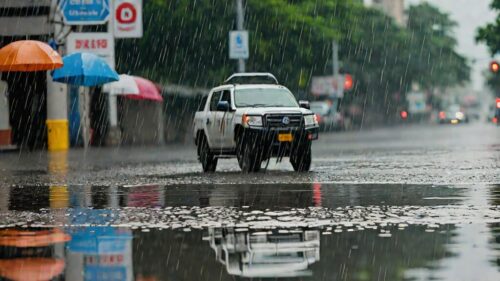
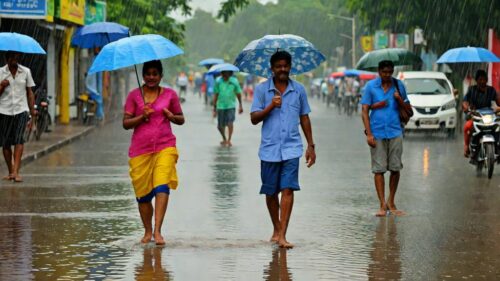
Rain in Chennai: North East Monsoon Arrives, Heavy Rain to Continue Across Tamil Nadu Until October 23
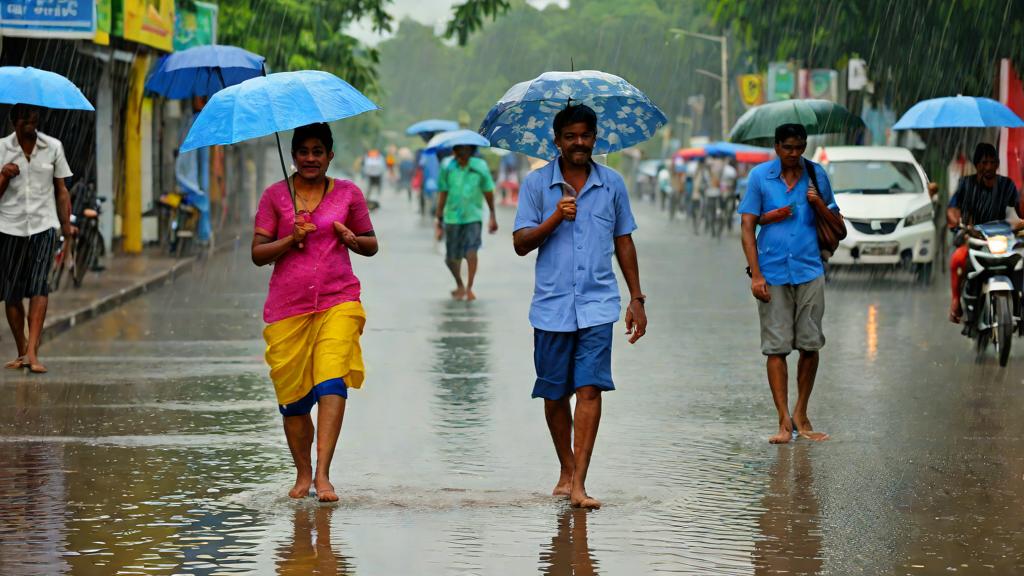
- The famed North East Monsoon has arrived in Chennai, according to KWS Chennai, marking the start of the city's main wet season.
- Heavy rainfall is expected to continue across Tamil Nadu until October 23, based on a forecast reported by The Hindu.
- Heavy rain has lashed western and southern Tamil Nadu, but Cauvery delta farmers say the rains are inadequate for their fields.
- Chennai receives most of its annual rainfall from the North East Monsoon between October and December; the South West Monsoon contributes relatively little.
- Heavy rainfall in one part of Tamil Nadu does not guarantee adequate water for agriculture elsewhere, as Cauvery delta farmers' statements show.
Rain in Chennai is back with the arrival of the famed North East Monsoon, which has reached the region according to KWS Chennai. Heavy rainfall is expected to continue across Tamil Nadu until October 23, and heavy rain has already lashed western and southern parts of the state. Even so, Cauvery delta farmers say the current rains remain inadequate for their fields.
What Does the North East Monsoon’s Arrival Mean for Chennai?
The North East Monsoon is the seasonal weather system that brings rainfall to Chennai and much of Tamil Nadu between October and December. Unlike the South West Monsoon, which arrives between June and September and primarily benefits India’s west coast, the North East Monsoon blows from the land toward the sea, picking up moisture over the Bay of Bengal before drenching the southeastern coast.
Chennai’s weather pattern is heavily dependent on this monsoon. The city receives the bulk of its annual rainfall during these months, which is why the arrival of the North East Monsoon, recently confirmed by KWS Chennai, is closely watched by residents, authorities, and farmers alike. The onset marks the beginning of the wet season for a city that otherwise stays largely dry for much of the year.
How Long Will the Rain in Chennai Last?
According to The Hindu, heavy rainfall is expected to continue across Tamil Nadu until October 23. For Chennai residents, this means more days of wet conditions, with rain likely to cause waterlogging in low-lying areas and slower traffic on busy roads. The report does not specify what happens after that date, so the outlook beyond October 23 remains uncertain.
When will the heavy rain stop?
The forecast reported by The Hindu indicates heavy rainfall across Tamil Nadu until October 23. Day-by-day rainfall totals have not been detailed in the available headlines, and conditions after that date have not been specified. Residents planning travel, work, or events should keep following daily weather updates as the date approaches.
Which Parts of Tamil Nadu Have Seen Heavy Rain?
The Times of India reports that heavy rain has lashed western and southern Tamil Nadu. This spread of rainfall shows that the monsoon system is affecting a wide portion of the state, not only the Chennai region. Western districts, which typically receive most of their rain from the South West Monsoon, and southern districts, which include important agricultural zones, have both experienced significant precipitation during this spell.
| Region | Current Rain Status | Source |
|---|---|---|
| Chennai | North East Monsoon has arrived | KWS Chennai |
| Tamil Nadu (statewide) | Heavy rainfall expected until October 23 | The Hindu |
| Western & southern Tamil Nadu | Heavy rain lashed region; Cauvery delta farmers call rains inadequate | The Times of India |
Why Do Cauvery Delta Farmers Call the Rains Inadequate?
Despite heavy rain lashing western and southern Tamil Nadu, Cauvery delta farmers have said the rains are inadequate, according to The Times of India. The Cauvery delta is one of the most agriculturally productive regions of the state and supports major crops such as rice. Standing water in fields at the right time matters more than raw rainfall totals, and farmers’ on-the-ground assessment suggests the current monsoon has not delivered enough water where their fields need it most.
This gap between heavy rain in weather reports and inadequate rains in farmers’ assessments highlights an important distinction: heavy rainfall in one part of a state does not automatically translate into sufficient water for agriculture in another. Distribution, timing, and local conditions all play a role.
Rain in Chennai: What Residents and Farmers Should Know
- Monsoon timeline: The North East Monsoon has arrived in Chennai per KWS Chennai, and heavy rainfall is forecast across Tamil Nadu until October 23.
- Affected zones: Western and southern Tamil Nadu have been lashed by heavy rain, while Chennai enters its main wet season.
- Farming outlook: Cauvery delta farmers report inadequate rains despite heavy showers elsewhere, an important caveat for crop planning.
- Urban impact: Chennai residents should expect wet roads, possible waterlogging, and the kind of disruptions typical of an early monsoon spell.
Why Is the North East Monsoon So Important for Chennai?
Chennai’s annual rainfall is unusually concentrated in a short window. The South West Monsoon, which brings rain to much of India between June and September, delivers only limited rainfall to Chennai. The North East Monsoon, by contrast, accounts for the majority of the city’s yearly precipitation. A weak North East Monsoon has historically meant water scarcity concerns for Chennai’s growing population, while a strong one can refill reservoirs and recharge groundwater.
For farmers in the Cauvery delta, the same monsoon is equally decisive. The delta’s irrigation network depends on Cauvery water, which is replenished by monsoon rainfall in the basin. When the monsoon underperforms, the effects ripple through the farming cycle, which is why the farmers’ statement that this year’s rains are inadequate carries weight beyond a single district.
This is why the monsoon’s arrival, confirmed this season by KWS Chennai, carries so much weight. It largely sets the tone for the city’s water security until the cycle repeats the following year.
What Comes Next for Rain in Chennai?
Available reports confirm the North East Monsoon’s arrival in Chennai and forecast heavy rainfall across Tamil Nadu until October 23. Beyond that date, detailed day-to-day outlooks have not been specified in the headlines cited. What is clear is that Chennai and southern Tamil Nadu have entered the most rain-bearing period of their year, with both benefits and challenges ahead, urban disruption on one hand and vital water for reservoirs and fields on the other.
Sources
- The famed North East Monsoon arrives — KWS Chennai
- Heavy rainfall to continue across T.N. till October 23 — The Hindu
- Heavy rain lashes western and southern Tamil Nadu, Cauvery delta farmers say rains inadequate — The Times of India
Frequently Asked Questions
Has the North East Monsoon arrived in Chennai?
Yes. The famed North East Monsoon has arrived in Chennai, as reported by KWS Chennai. This seasonal system brings most of the city's annual rainfall between October and December, after the South West Monsoon largely bypasses the region. Its arrival marks the start of Chennai's main wet season.
Until when is heavy rain expected in Tamil Nadu?
Heavy rainfall is expected to continue across Tamil Nadu until October 23, according to The Hindu. The forecast covers the state as a whole, and specific day-by-day figures have not been detailed in the available headlines. Residents should keep checking daily weather updates as the date approaches.
Which parts of Tamil Nadu have been hit by heavy rain?
Heavy rain has lashed western and southern Tamil Nadu, according to The Times of India. Western districts generally receive most of their rain from the South West Monsoon, while southern districts contain important agricultural zones, making this spell significant for both urban and rural areas across the state.
Are this year's rains enough for Cauvery delta farmers?
According to The Times of India, Cauvery delta farmers have said the rains are inadequate. Even though heavy rain lashed parts of the state, farmers on the ground judge that the rainfall has not been sufficient for their fields. This underlines that regional rainfall reports and farm-level water availability do not always match.
Why does Chennai depend so heavily on the North East Monsoon?
Chennai receives the majority of its annual rainfall from the North East Monsoon, which typically blows between October and December. The South West Monsoon, which brings rain to much of India from June to September, contributes only limited rainfall to the city. The North East Monsoon is therefore critical for Chennai's reservoirs, groundwater, and daily water supply.
About The Author