What to Do This Long Weekend in Kerala: A Complete 3‑Day Guide
- Kerala’s compact geography lets you visit backwaters, hills, and historic towns in a three‑day long weekend.
- Alleppey offers a 2‑hour houseboat cruise for INR 3,500, while Munnar’s Eravikulam trek provides wildlife spotting opportunities.
- Traditional experiences like Kathakali, spice‑plantation tours, and Ayurvedic massages are easily scheduled within a short stay.
If you have a long weekend in Kerala, you can combine coastal scenery, lush hills, and vibrant culture in just three days. The state’s compact geography lets you enjoy backwaters, spice plantations, and historic towns without long drives, making it ideal for a quick yet memorable escape.
What are the top destinations for a long weekend in Kerala?
Kerala is divided into 14 districts, but a short itinerary can focus on three core zones: the Malabar coast, the central highlands, and the backwater heartland.
Where can I see the iconic backwaters in a short trip?
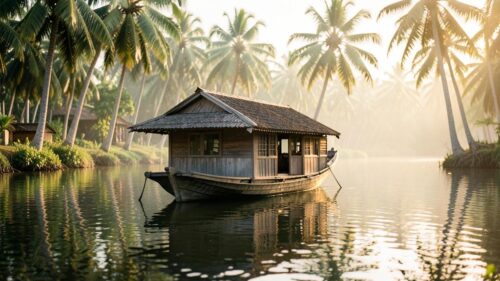
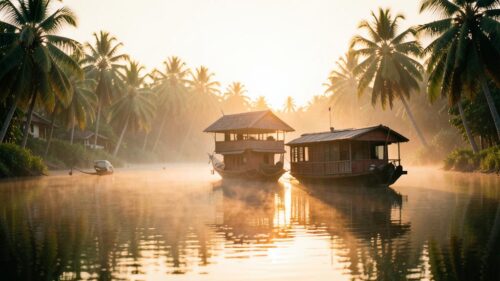
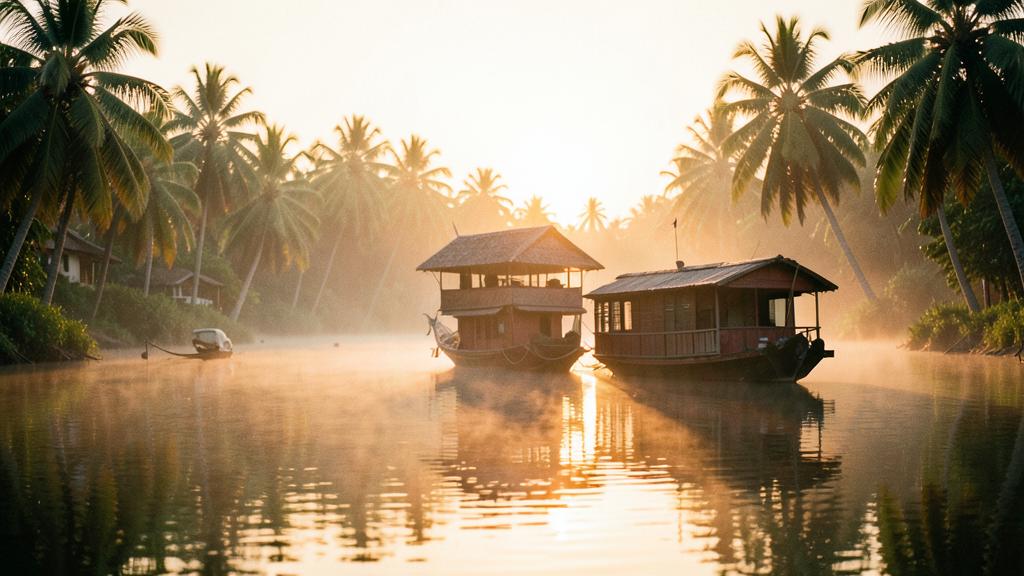
Alleppey (Alappuzha) is known as the “Venice of the East” and offers 90 km of interconnected canals. A 2‑hour houseboat cruise from the Alleppey jetty provides views of paddy fields, coconut groves, and traditional villages. Prices start at INR 3,500 for a standard night‑long boat.
Which hill station fits a weekend stay?
Munnar, perched at 1,600 meters in the Western Ghats, is famous for its tea gardens. A single trek to the Eravikulam National Park (4 km round‑trip) lets you spot the endangered Nilgiri tahr. The park receives around 2 million visitors each year, confirming well‑maintained trails.
What historic town should I add for culture?
Kochi’s Fort Kochi area offers colonial architecture, Chinese fishing nets, and the 16th‑century St. Francis Church. A walking tour of the 2‑km heritage lane takes roughly 45 minutes and showcases Portuguese, Dutch, and British influences.
How can I experience Kerala’s culture in a weekend?
- Traditional dance: Book an evening Kathakali performance in Kottayam; shows typically start at 7 pm and last 2 hours.
- Spice plantation visit: The Idukki region hosts guided tours where you can smell cardamom, pepper, and vanilla. A 3‑hour tour includes a tasting session and costs about INR 800 per person.
- Ayurvedic massage: Kerala is the birthplace of Ayurveda; a 60‑minute Abhyanga oil massage in a certified centre costs roughly INR 1,200.
- Local markets: The Chalai Bazaar in Kochi opens at 9 am and offers fresh produce, coconut oil, and handcrafted items.
What are the best food experiences for a long weekend?
Kerala cuisine blends coconut, tamarind, and spices. Here are three must‑try dishes, each linked to a specific locale.
- Karimeen Pollichathu (Pearl Spot fish): Served in a banana leaf wrap at a seaside shack in Varkala; the dish is marinated in coconut oil and curry leaves.
- Appam with Stew: Breakfast staple in Alappuzha; the fermented rice pancake pairs with a mild chicken or vegetable stew cooked in coconut milk.
- Sadya: A vegetarian feast of 20 dishes served on a banana leaf, traditionally enjoyed during festivals in Kottayam temples.
Practical tips for a hassle‑free long weekend
Planning ahead saves time and money. The table below compares the most common transport options for the three main zones.
| Route | Mode | Average Time | Cost (INR) | Best For |
|---|---|---|---|---|
| Kochi ↔ Alleppey | Private car | 1.5 h | 1,200 | Flexibility |
| Kochi ↔ Munnar | State bus (KSRTC) | 4 h | 350 | Budget |
| Alleppey ↔ Munnar | Train (Ernakulam‑Munnar line) | 6 h (including change) | 500 | Scenic view |
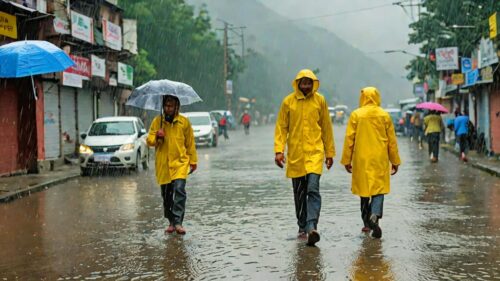
Book accommodations at least a week in advance, especially for houseboats, which fill up quickly during school holidays. Carry lightweight rain gear; Kerala receives an average of 2,500 mm of rainfall annually, and sudden showers are common even in the dry season.
Sample 3‑Day Itinerary
- Day 1 – Kochi to Alleppey: Morning walk in Fort Kochi, lunch on the waterfront, afternoon houseboat cruise, night on board.
- Day 2 – Alleppey to Munnar: Early departure, tea‑garden walk, Eravikulam trek, sunset at Top Station.
- Day 3 – Munnar to Kochi: Spice‑plantation tour, Ayurvedic spa, evening flight or train back.
This plan balances relaxation with exploration, ensuring you return home refreshed after the long weekend.
How can I make the most of the backwaters beyond the houseboat?
While a houseboat night is the highlight, the Alleppey backwaters offer several daytime activities that deepen your connection with the region. Rent a kettuvallam paddle‑boat for a sunrise row through the narrow canals; local guides can point out traditional rice‑paddy farming techniques and the occasional water‑bird nesting sites. For wildlife enthusiasts, the Vembanad Lake Bird Sanctuary lies just 15 km north and hosts over 120 migratory species such as the painted stork and spot‑billed pelican during the winter months. Entry is free, but a guided bird‑watching tour (₹1,200 per person) ensures you spot the shy species.
Beyond tea: lesser‑known attractions in Munnar
Munnar’s fame rests on its tea estates, yet the surrounding highlands hide hidden gems. The Mattupetty Dam (30 km from town) offers pedal‑boat rides and a panoramic view of the rolling hills; a 2‑hour boat trip costs ₹600. Trek to the Chinnar Wildlife Sanctuary (≈ 45 km) for a chance to see the endangered Nilgiri langur and the South Indian leopard. The sanctuary’s 6 km trek is moderate and can be completed in half a day, with an entry fee of ₹150.
Additional cultural stops in Kochi
Fort Kochi’s 2‑km heritage lane is just the start. Extend your walk to the Jewish Synagogue in Mattancherry, built in 1568 and still housing a rare collection of antique chandeliers and scrolls. Nearby, the Kerala Folklore Museum showcases over 4,000 artefacts ranging from traditional masks to ancient weaponry; a combined ticket (₹300) grants access to both sites. End the day with a sunset view from Marine Drive’s promenade, where you can sample fresh coconut water from a local vendor.
Eco‑tourism and sustainable travel tips
- Choose certified green accommodations: Look for the Travelife or Ecocert logos, which indicate responsible water use and waste management.
- Support local artisans: Purchase hand‑woven Kerala sarees or bamboo crafts directly from village cooperatives rather than mass‑produced souvenirs.
- Minimise plastic: Bring a reusable water bottle; most guesthouses provide filtered water refill stations.
- Respect wildlife habitats: Keep a safe distance from animals in sanctuaries and avoid feeding birds, which can disrupt their natural diet.
Nightlife and evening entertainment
Kerala may be known for its tranquil days, but evenings have their own charm. In Kochi, the Broadway Theatre hosts live jazz nights on Fridays, while the Ginger House in Fort Kochi offers a rooftop bar with a view of the illuminated Chinese fishing nets. In Munnar, the Tea County Resort arranges traditional Keralite folk dance shows (Kolkali) after dinner, giving visitors a taste of local rhythm under the starry hills.
Essential travel checklist for a long weekend
| Item | Why it’s needed | Recommended brand/option |
|---|---|---|
| Lightweight rain jacket | Sudden monsoon showers | Columbia Waterproof Shell |
| Reusable water bottle | Stay hydrated & reduce plastic | Thermos Stainless‑Steel |
| Insect repellent (DEET ≤ 30 %) | Protect against mosquitos in backwaters | OFF! Family |
| Power bank (10,000 mAh) | Keep devices charged for navigation | Anker PowerCore |
| Travel insurance | Coverage for medical emergencies & trip changes | Allianz Travel |
Best time to visit for a long weekend
The ideal window depends on the experiences you prioritize:
- October – March: Cool, dry climate perfect for hill‑station trekking and backwater cruises; average temperatures range from 22 °C to 28 °C.
- April – June: Warm coastal weather; ideal for beach activities in Varkala and Kovalam, though humidity rises.
- July – September: Monsoon season; lush green landscapes and powerful waterfalls, but some roads to highlands may be slippery.
For a balanced mix of pleasant weather and vibrant cultural festivals, aim for late October to early December, when the state celebrates Onam—a perfect opportunity to witness traditional dance, music, and the iconic Sadya feast.
Frequently Asked Questions
Do I need a visa to travel within Kerala for a short weekend?
International travelers must have a valid Indian visa, but domestic tourists require only a government‑issued ID. No additional permits are needed for the major tourist zones in Kerala.
What is the best time of year for a long weekend in Kerala?
October to March offers pleasant temperatures (22‑30 °C) and lower rainfall, making it ideal for backwater cruises, hill‑station visits, and outdoor festivals.
Can I rely on public transport for the entire itinerary?
Yes, Kerala’s state‑run buses and trains connect major destinations, though private cars provide faster door‑to‑door service, especially when time is limited.
Is it safe to travel alone as a solo female visitor?
Kerala is considered one of India’s safer states for solo travelers. Common sense precautions—staying in reputable hotels, using registered taxis, and avoiding isolated areas after dark—are recommended.
How much should I budget for food per day?
A typical traveler can enjoy three meals for INR 800–1,200 per day, with street‑food options costing as little as INR 50 per snack and restaurant meals averaging INR 250.
About The Author