CJP Leaders Saurav Das, Ashutosh Ranka Jailed 5 Days for Jantar Mantar Protest, Move Delhi HC
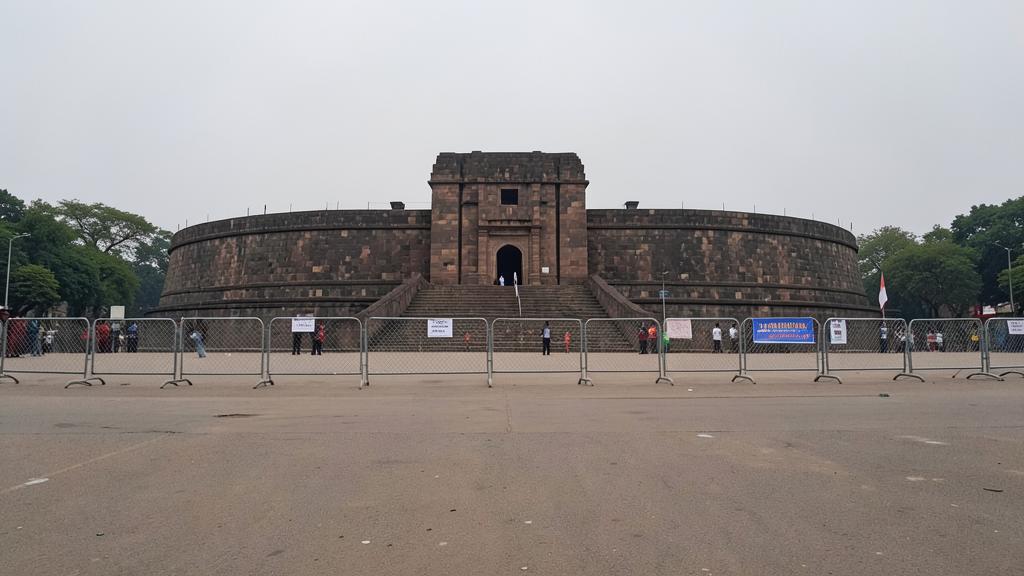
- CJP leaders Saurav Das and Ashutosh Ranka were jailed for five days after holding a protest at Delhi's Jantar Mantar in violation of a ban on demonstrations at the site.
- The two leaders moved the Delhi High Court against their judicial custody, according to The Hindu; the headlines do not give the petition's outcome.
- BBC and The Guardian framed the episode with the label 'cockroaches', which NDTV links to a message attributed to Abhijeet Dipke, coinciding with a pause in protests and a 'real leaders' reveal.
- The exact dates, the precise charges section and the court's response are not stated in the headlines and remain unconfirmed.
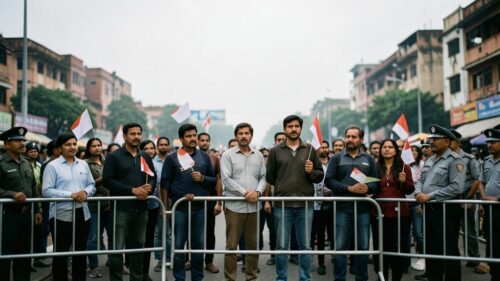
CJP leaders Saurav Das and Ashutosh Ranka were jailed for five days after holding a protest at Delhi’s Jantar Mantar despite a ban on demonstrations at that site. Both leaders are now challenging their judicial custody by moving the Delhi High Court, according to reporting across The Hindu, BBC, NDTV and The Guardian.
Who are Saurav Das and Ashutosh Ranka?
According to BBC and NDTV coverage of the current episode, Saurav Das and Ashutosh Ranka are leaders of CJP — the Citizens for Justice and Peace, an Indian civil-rights organization known for campaigning and advocating around incidents of communal violence and demands for justice.
In this case, the two men emerged as the public faces of a protest that went ahead even with a ban in place. NDTV’s reporting on the jailing also used the phrase ‘Real Leaders’ Reveal, suggesting the episode was presented as a moment in which the movement showcased new leadership.
Why were CJP’s Saurav Das and Ashutosh Ranka jailed?
NDTV’s headline states the two were jailed for 5 days for Jantar Mantar trespass, while The Guardian reports they were jailed for violating ban on protest site. Taken together, the leaders organized and held a protest at Jantar Mantar even though a ban on protests at that location was in effect, and the penalty imposed was five days of judicial custody.
Where is Jantar Mantar, and why do protests happen there?
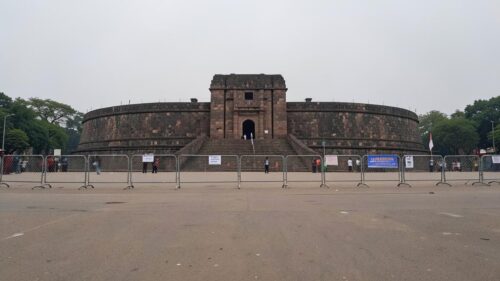
Jantar Mantar is a historic observatory monument in New Delhi. For decades it has functioned as one of the city’s traditional grounds where citizens and groups stage demonstrations, which is why authorities sometimes impose temporary bans there over civic or security concerns. Holding a protest despite such a ban is the basis of the trespass allegation in this case.
What are the key facts reported so far?
| Reported fact | Source |
|---|---|
| Saurav Das and Ashutosh Ranka are leaders of CJP | BBC, NDTV |
| A protest was held at Jantar Mantar despite a ban on protests there | The Guardian, BBC |
| The two were jailed for five days for trespassing at the site | NDTV |
| They were jailed for violating the ban on the protest site | The Guardian |
| They moved the Delhi High Court against their judicial custody | The Hindu |
| A message to ‘Cockroaches’ attributed to Abhijeet Dipke, a pause in protests and a ‘real leaders’ reveal form the surrounding controversy | NDTV |
| Dates, precise charges section and court outcome | Not stated in the headlines |
What is the ‘cockroach’ controversy surrounding CJP?
BBC described the pair as India’s ‘cockroach’ leaders jailed after holding protest, and The Guardian ran its coverage under a headline calling CJP India’s Cockroach party, whose leaders were jailed for violating the protest-site ban. Both outlets echo a label that NDTV links to Abhijeet Dipke’s message addressed to Cockroaches. The same episode, per NDTV, involved a pause in protests and a ‘Real Leaders’ Reveal.
Beyond the headlines, the contents of Abhijeet Dipke’s message, the reason the word was chosen and the details of the protest pause are not stated in the available coverage. What is clear is that the term ‘cockroach’ has become the most-quoted single word in national and international reporting on the jailing.
Who is Abhijeet Dipke?
The headlines carry no biography or affiliation for Abhijeet Dipke beyond attributing to him the message to Cockroaches. Without further reporting, his precise role in the episode — whether as an organizer, critic or commentator — cannot be confirmed from these sources.
How did Indian and international outlets frame the jailing?
Domestic channels led with the legal action: NDTV reported the five-day term as a Jantar Mantar trespass case and The Hindu covered the court challenge. International outlets foregrounded the controversy’s language — BBC wrote of ‘cockroach’ leaders jailed after holding a protest, and The Guardian labelled CJP’s ‘Cockroach party’. NDTV’s longer feature tied all of it together around Abhijeet Dipke’s message, the protest pause and the leadership reveal.
What happens now that the Delhi High Court has been approached?
The Hindu’s headline reads: CJP leaders Saurav Das, Ashutosh Ranka move Delhi HC against judicial custody. ‘Moving’ a High Court against custody means filing a petition — typically seeking bail, a stay or quashing of the custody order. The headlines do not state the petition’s outcome, a hearing date, or the direction the court may take, so the case is reported as filed but not yet publicly decided.
What is judicial custody?
Judicial custody is detention ordered and supervised by a court, as distinct from police custody, where police hold a person for questioning. In this case a court imposed five days of judicial custody for the Jantar Mantar trespass.
What is the reported sequence of events?
- A protest is held at Jantar Mantar while a ban on demonstrations at the site is in force.
- CJP’s Saurav Das and Ashutosh Ranka are jailed for five days — judicial custody — for the trespass.
- Protests pause, against the backdrop of Abhijeet Dipke’s message to ‘Cockroaches’ and a ‘real leaders’ reveal, per NDTV.
- The two leaders move the Delhi High Court against their judicial custody, per The Hindu.
What do we still not know about the case?
Several important details cannot be confirmed from the headlines alone.
- The exact date of the protest, the arrest and the jailing.
- The precise legal provision under which the trespass case was lodged.
- What Abhijeet Dipke’s message contained beyond its ‘cockroaches’ address.
- The outcome, or even a hearing date, of the Delhi High Court petition.
- Whether further CJP protests are planned or remain on hold.
As reporting continues, the core facts stand: two CJP leaders held a protest at a banned site, lost five days to judicial custody, and are now fighting that custody in the Delhi High Court. The dates, the exact charges and the court’s verdict on the petition will decide how this episode ends.
Sources
- CJP leaders Saurav Das, Ashutosh Ranka move Delhi HC against judicial custody — The Hindu
- In Abhijeet Dipke's Message To "Cockroaches", Pause In Protests And A "Real Leaders" Reveal — NDTV
- CJP's Saurav Das, Ashutosh Ranka: India's 'cockroach' leaders jailed after holding protest — BBC
- Leaders of India’s Cockroach party jailed for violating ban on protest site — The Guardian
- CJP's Saurav Das, Ashutosh Ranka Jailed For 5 Days For Jantar Mantar Trespass — NDTV
Frequently Asked Questions
Why were Saurav Das and Ashutosh Ranka jailed?
CJP leaders Saurav Das and Ashutosh Ranka were jailed for five days after holding a protest at Jantar Mantar in New Delhi despite a ban on demonstrations there — described by NDTV as a Jantar Mantar trespass and by The Guardian as violating the ban on the protest site.
What did the CJP leaders do after being jailed?
According to The Hindu, they moved the Delhi High Court against their judicial custody — meaning they filed a formal court challenge to the detention. The headlines do not state the petition's outcome, hearing date, or whether bail was sought.
What is the 'cockroach party' reference in coverage?
BBC called Saurav Das and Ashutosh Ranka India's 'cockroach' leaders, and The Guardian labelled CJP India's 'Cockroach party'. NDTV links the term to a message to 'Cockroaches' attributed to Abhijeet Dipke, coinciding with a pause in protests and a 'real leaders' reveal; the message's contents are not detailed in the headlines.
Where did the protest take place, and why does that matter?
The protest took place at Jantar Mantar in New Delhi, the historic monument long used as an open protest ground. Authorities had imposed a ban on demonstrations there, so holding a protest amounted, in the authorities' view, to trespass — the basis for the jailing.
How long is the jail term, and when did it start?
NDTV reports a five-day term of judicial custody for Jantar Mantar trespass. The headlines do not give the date of arrest or say when the five-day period began, so the exact timing cannot be confirmed from the current reporting.
About The Author