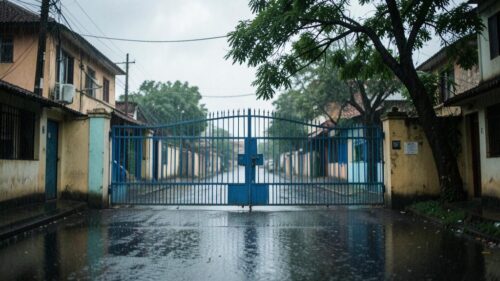
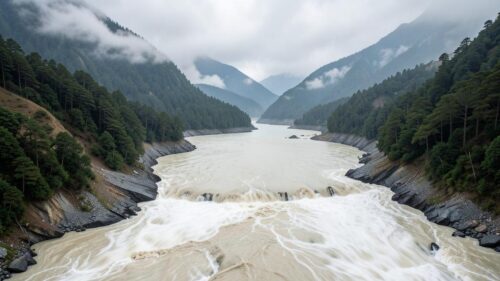
Bhutan Flood: Glacial Lake Outburst Sends Flash-Flood Alerts Across Bengal and Assam
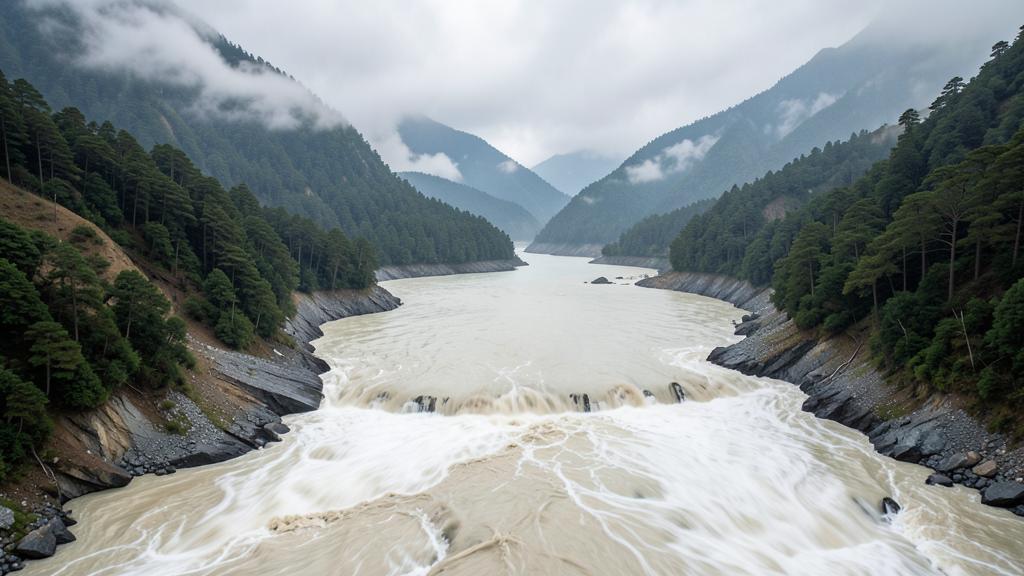
- A glacial lake outburst flood in Bhutan triggered flash-flood alerts in West Bengal and Assam, with North Bengal specifically placed on high alert.
- Thousands of residents were moved to safety overnight as disaster-response teams mobilized along the border.
- The event was caused by a glacial lake outburst flood — a sudden breach of a glacier-melt lake — not by monsoon rainfall.
- The headlines do not name the breached lake, and no casualties or damage totals were reported.
A glacial lake outburst flood in Bhutan sent flash-flood warnings downstream into India, placing West Bengal’s North Bengal region and Assam on high alert. Thousands of residents were moved to safety overnight as disaster-response teams mobilized along the border. News reports describe the event as a glacial lake outburst flood — abbreviated GLOF — rather than a seasonal river or monsoon flood.
What caused the Bhutan flood — and why is it called a glacial lake outburst flood?
According to multiple news outlets, the Bhutan flood began when a lake formed by melting glacier ice suddenly burst through its natural dam. That sudden release of stored meltwater is, by definition, a glacial lake outburst flood. Unlike a monsoon flood, which builds slowly with rain over days, a GLOF can release an entire lake’s worth of water within minutes or hours, which is why it triggered an urgent downstream warning.
The current headlines do not name the specific glacial lake or glacier involved, so that detail remains unknown based on these reports. The confirmed facts are the outburst in Bhutan, the flash-flood alerts that followed in India, and the emergency relocations carried out overnight.
Why did a flood in Bhutan put Bengal and Assam on alert?
Bhutan sits in the eastern Himalaya, and its rivers flow southward across the border into India. When a mountain outburst sends a surge of water down those channels, the communities closest to the border — especially North Bengal — face risk within hours. NDTV and NDTV Profit report that Assam and West Bengal were placed on high alert for flash floods after the Bhutan lake burst, and The Economic Times describes the alert as focused on North Bengal with thousands relocated as part of the disaster response.
The geography explains the chain of events: a breach in the mountains of Bhutan becomes a same-night emergency on the Indian plains. Mathrubhumi English captures the pace of it, reporting that thousands of people were moved to safety overnight as the alert spread.
What the Bhutan flood triggered, step by step
| Step | What happened |
|---|---|
| 1 | Glacial lake burst in Bhutan, releasing a flash flood |
| 2 | Flash-flood warnings issued downstream into India |
| 3 | North Bengal and Assam placed on high alert |
| 4 | Thousands of residents moved to safety overnight |
| 5 | Disaster response teams deployed across affected areas |
How many people were evacuated — and what is still unknown?
Every headline reporting the Bhutan flood evacuation uses the same word: thousands. Mathrubhumi English says thousands were moved to safety overnight, and The Economic Times likewise reports thousands relocated as disaster response operations got underway. No precise figure appears in the reporting summarized here, so the exact headcount should be treated as unconfirmed.
Equally important is what these headlines do not say. None of them state casualties, injuries, or damage totals, and none give the name of the breached lake. If you are looking for those numbers, they were not included in the news coverage — only the alert, the evacuations, and the ongoing response are confirmed.
What exactly is a glacial lake outburst flood?
A glacial lake outburst flood occurs when meltwater builds up behind a dam of ice, moraine — loose rock and sediment deposited by a glacier — or a mixture of both, and that dam suddenly fails. Triggers include overflow, erosion from the released water, avalanches, or earthquakes. Once released, the floodwater carries ice, boulders, and sediment downstream at far higher speeds than ordinary river flooding, often arriving with far less warning.
Because the flood originates high in the mountains, downstream towns get very little reaction time. That was visible in this event: authorities moved thousands of residents to safety overnight, acting on the warning itself rather than waiting for floodwater levels to confirm the threat.
What is the current status of the disaster response?
At the time the headlines were published, the situation was still being managed. The Economic Times reports ongoing disaster response in the alert zone, while multiple outlets describe West Bengal and Assam as remaining on high alert for flash floods. No headline declares the emergency over, and none reports confirmed casualties or property damage — so the safest characterization is an active response with outcomes not yet stated in these reports.
Why are glacial floods a growing concern across the Himalaya?
The Bhutan flood is the latest reminder of a well-documented regional risk. As temperatures warm, Himalayan glaciers keep retreating, and the meltwater accumulates in a growing number of unstable high-altitude lakes — each one a potential future outburst. Bhutan, India, Nepal, and other mountain nations have all invested in monitoring these lakes because of the speed at which a breach can threaten people downstream.
For residents of Bengal and Assam, the practical lesson is simple: a breach anywhere far upstream can arrive as a same-night emergency. The evacuation of thousands in this event shows how seriously authorities now treat early warnings — moving people before the water arrives rather than rescuing them after.
Sources
- Glacial Lake Outburst In Bhutan Sends Flash Floods Warning To Bengal, Assam — NDTV
- Bhutan lake outburst puts Bengal, Assam on flood alert; thousands moved to safety overnight — Mathrubhumi English
- Glacial Lake Outburst In Bhutan, Assam And West Bengal On High Alert For Flash Floods — NDTV Profit
- Bhutan Glacial Lake Burst triggers flood alert in Bengal, Assam: All you need to know — Livemint
- Bhutan glacial lake outburst flood triggers alert in North Bengal; thousands relocated, disaster response — The Economic Times
Frequently Asked Questions
What caused the recent flood alerts in West Bengal and Assam?
A glacial lake outburst flood in Bhutan released a surge of stored meltwater that traveled downstream into India. West Bengal, especially the North Bengal corridor, and neighboring Assam were placed on high alert for flash floods, and thousands of residents were moved to safety overnight as part of the disaster response.
How many people were evacuated from the flood-affected areas?
News reports consistently say thousands of people were moved to safety overnight after the Bhutan glacial lake outburst triggered alerts in Bengal and Assam. The headlines do not give a precise headcount, so the exact number of evacuees is not confirmed. No casualties or damage totals were stated in the coverage either.
Is the Bhutan flood a monsoon or river flood?
No. Reports describe it as a glacial lake outburst flood — a sudden breach of a lake formed by melting glacier ice — not a seasonal monsoon or rainfall-driven river flood. That distinction matters: a glacial outburst releases a large volume of water far faster, with much less warning, which is why downstream districts acted overnight.
Which lake burst in Bhutan?
The current headlines do not name the specific glacial lake or glacier involved in the outburst. What is confirmed is that the event was identified as a glacial lake outburst flood and that it triggered flash-flood alerts in North Bengal and Assam. To learn the lake's name, readers will need to follow updated coverage from authorities.
What is a glacial lake outburst flood?
It is a sudden release of water from a lake dammed by glacier ice or moraine — loose rock and debris left by a glacier — when that dam fails from overflow, erosion, an avalanche, or an earthquake. The released water carries sediment and boulders and surges downstream at speeds far above ordinary river floods.
About The Author