Trump’s MOAB and Iran’s ‘Father of All Bombs’ Turn a Weapons Question Into a Naming Contest
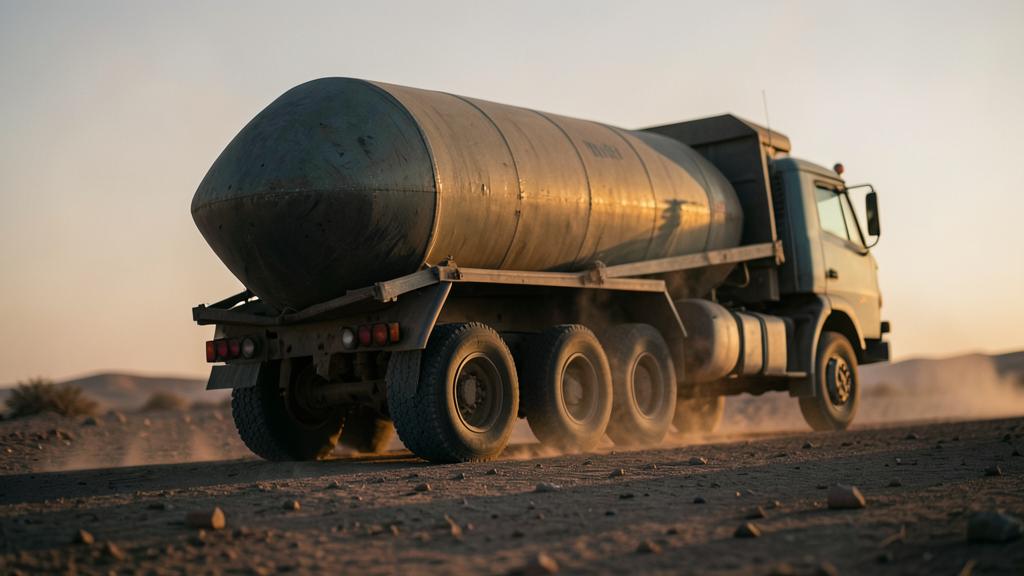
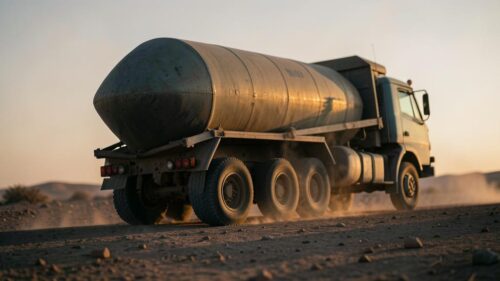
The real leverage in Trump’s MOAB and Iran’s Father of All Bombs is the choice each announcement forces, not the size either side advertises. CNN exclusively reported that the US military was considering the GBU-43/B Massive Ordnance Air Blast bomb against Iranian nuclear and energy infrastructure.
Business Today reported that Trump ordered the military to develop additional strike options targeting “a lot of energy infrastructure,” with the MOAB potentially included. Different outlets, including CNBC TV18 and CNBC TV18’s reporting partners, describe the same posture: planning for a possible strike, not a confirmed launch.
The Father of All Bombs is still mostly a title
On Wednesday, Oct. 21, an Islamic Revolutionary Guard Corps spokesman said Tehran was preparing to reveal what he called the Father of All Bombs, explicitly comparing it with the US “mother of all bombs.” The Jerusalem Post reported the warning, while WION noted that few weapon details were supplied. CNBC TV18 said the remarks followed reports of US MOAB planning, and Khaama Press paired them with Iran’s claim of improving missile range.
The only hard specifications in the exchange belong to Washington. India Today puts the device at 9,800 kg and says it was designed for massive surface destruction. Moneycontrol gives its imperial equivalent as 21,600 pounds. For the Iranian weapon, the reports provide no payload, blast radius, range or delivery platform.
A surface weapon meets deeply buried targets
The central tension is the match between the bomb and the target list. CNN places Iranian nuclear and energy infrastructure under consideration. The Economic Times reports US military planners contemplating strikes on energy and nuclear sites. Yet India Today stresses that the MOAB was designed for massive surface destruction, and Moneycontrol says officials have questioned its effectiveness against deeply buried nuclear facilities.
The strongest counter-point is that the reported target list runs beyond nuclear sites. Trump ordered additional options focused on “a lot of energy infrastructure,” according to Business Today, with the MOAB potentially among them. Since the doubts over deeply buried facilities apply specifically to the nuclear portion of that list, the MOAB is not automatically ruled out for other reported targets. The disagreement is therefore about which mission the bomb can credibly carry, not simply whether its blast is large.
Vague timing gives Tehran an immediate signal
Tehran may be gaining leverage from scheduling rather than engineering. News24 reports that the US and Israel are weighing fresh strikes on Iran after the midterm elections, while WION dates the IRGC statement to Oct. 21. The closeness of those timelines gives a vague weapon announcement immediate diplomatic value.
The public debate has also escalated the stakes. NDTV’s opinion coverage asks whether the MOAB could bring about immediate surrender, invoking Japan’s surrender after Hiroshima and Nagasaki. The strategic reports are narrower: they describe an option and a target set, not an immediate surrender demand. That contrast limits the nuclear analogy without denying the bomb’s destructive power.
What the schedule will test next
Trump’s MOAB and Iran’s Father of All Bombs move from slogans to observable facts only when announcements are replaced by credible specifications. News24 ties fresh US and Israeli strike planning to the post-midterm period. Iran, meanwhile, says it is preparing its own unveiling, though no date has been named in the reports.
The first concrete test is whether that unveiling adds a payload, delivery platform and range to the Father of All Bombs title, or whether it remains a response timed to the possibility of a MOAB strike.
Based on reports from
- Iran preparing to reveal 'Father of All Bombs,' IRGC spox. warns in wake of Trump's MOAB threat — The Jerusalem Post
- 'Father of all bombs' vs 'mother of all bombs': Iran threatens US with new weapon as Trump hints at MOAB strike — WION
- What is the ‘Mother of All Bombs’ US could use in Iran? — Al Jazeera
- Iran teases ‘father of all bombs’ after reports of US MOAB plans — CNBC TV18
- Exclusive: US considering using ‘mother of all bombs’ against Iran, sources say — CNN
About The Author