Heavyweight Supremacy at Madison Square Garden Meets the Unfiltered Reality of Fight Week
Heavyweight Title Stakes at Madison Square Garden Mask Outside Chaos
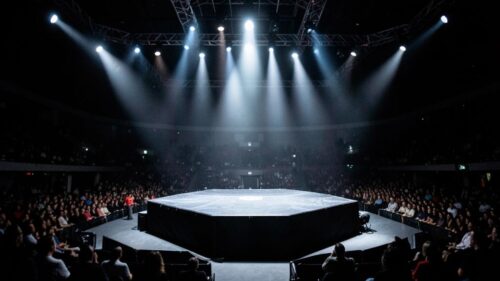
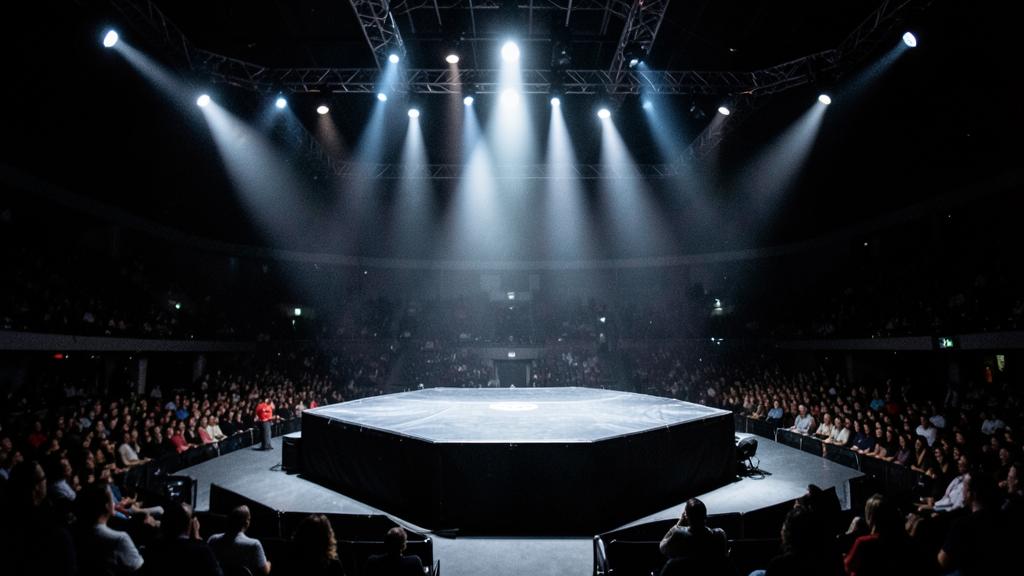
The Ultimate Fighting Championship’s greatest operational gamble isn’t whether Ciryl Gane can hold off challenger Josh Hokit, but whether the promotion’s relentless reliance on outside-the-cage spectacle will eventually outpace its athletic credibility. At UFC 334 inside New York City’s Madison Square Garden, the promotion rolls out its annual November flagship event behind a stacked card that features two title fights. Headlining the main event, Gane puts his heavyweight championship on the line against Hokit in a five-round battle for heavyweight supremacy.
The fight card has drawn heavy analytical focus across combat sports media, ranging from MMA Fighting predictions and Bleacher Report staff picks to Polymarket odds tracking the preliminary fight outcomes. Before the main card got underway, MMA Junkie analysts Farah Hannoun and Nolan King hosted a live-streamed preview show to break down the matchups, while CBS Sports and Bleacher Report provided live updates and round-by-round scoring throughout the evening.
The distribution infrastructure behind the event underlines the massive commercial stakes. In the United States, the main event streams live on Paramount+, with the early preliminaries carried on UFC Fight Pass. Broadcast subscriber perks have stepped in to push viewership, with DirecTV offering access to Paramount+ through its Premier streaming package via a five-day free trial. For Indian viewers, Sony Sports Network airs both the prelims and the main card, catering to a growing international fanbase watching the NYC card.
Out-of-Octagon Violence and Drama Drive Commercial Reach
A fair counter-argument suggests that dramatic out-of-ring conduct is not an operational flaw, but the primary engine driving global attention and pay-per-view conversion. Longtime octagon announcer Bruce Buffer recalled some of the promotion’s most unscripted altercations during an interview with FOX News, pointing to the infamous post-fight melee between Khabib Nurmagomedov and Conor McGregor, alongside Merab Dvalishvili’s hotel ambush in Abu Dhabi. Buffer also offered sharp words regarding banned fighter Dillon Danis, illustrating how out-of-cage conflicts command persistent media interest long after original event broadcasts conclude.
These wild encounters generate massive search traffic and broadcast tuning, proving that personal rivalries keep the product firmly entrenched in global headlines. When physical altercations leak from the arena into hotel lobbies and post-fight press conferences, they generate a visceral brand of publicity that routine pre-fight press circuits rarely replicate. The raw drama acts as a promotional bridge, drawing casual viewers toward structured events like the high-stakes heavyweight main event in New York.
Unfiltered Crisis Management Tests Organizational Control
Yet, the thin line between promotional hype and unmanageable volatility remains razor thin. Hours after reportedly being found unresponsive at a Scottsdale nightclub following a suspected overdose incident, fighter Tommy McMillen broke his silence by posting updates showing his immediate return to training, NDTV Sports reported. Rather than stepping back to recover, McMillen immediately began calling on matchmakers to grant him a short-notice fight.
This sequence highlights the intense pressure on athletes to stay relevant within a relentless news cycle. While combat sports have long tolerated volatile personal behavior, managing athletes who transition directly from emergency medical calls to calling out opponents presents a continuous test for executive leadership.
As action continues inside Madison Square Garden, the immediate focus shifts back to round-by-round scoring on the main card. Preliminary updates on Polymarket continue to shift as fight fans wait for the heavyweight headline result between Gane and Hokit.
Sources
- Prelim Results | Polymarket UFC 334: Gane vs Hokit — UFC.com
- UFC 334 predictions — MMA Fighting
- UFC 334 Livestream: How to Watch Gane vs. Hokit Online — Variety
About The Author