Cell Atlas, Neural Implants and Dietary Insights Advance Brain Research
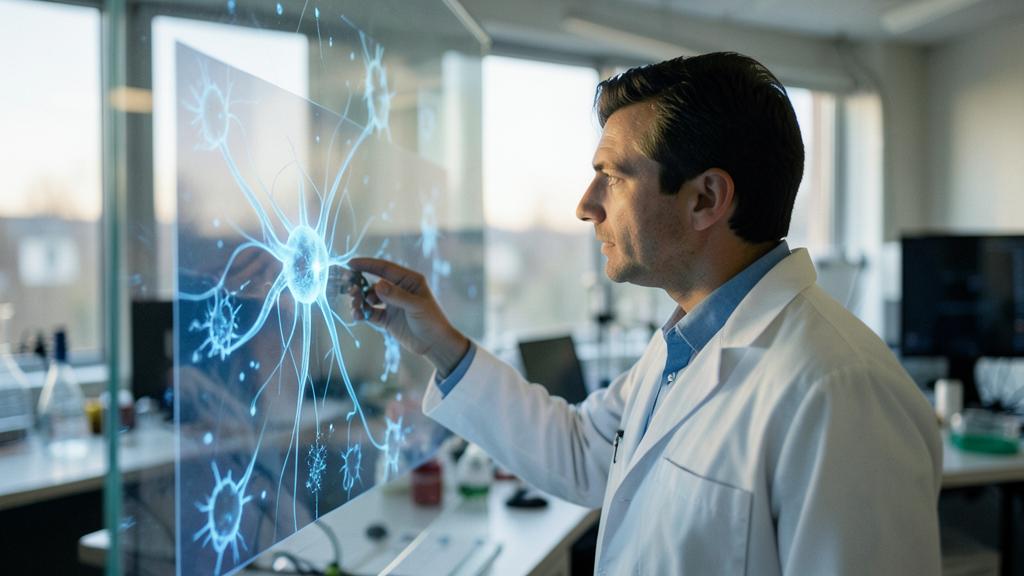
Scientists have mapped 21 million cells to create a comprehensive atlas of the human basal ganglia, offering a cross-species resource designed to deepen the understanding of complex brain disorders and potential treatment pathways.
Neural Implants and Clinical Discoveries
Experimental neural devices are advancing rapidly for patients suffering from speech loss and severe motor impairment. In recent clinical trials reported by The New York Times, experimental brain implants decoded neural signals from a 46-year-old man who lost his voice to Amyotrophic Lateral Sclerosis (ALS), translating his brain activity directly into intelligible speech. The same trial successfully decoded neural patterns from a 58-year-old woman, a trained singer, allowing her to speak and sing. In a separate Neuralink milestone, ALS patient Jake Schneider described his neural implant as a personal lifeline that restored his independence, an outcome company founder Elon Musk acknowledged while stating the technology will eventually assist millions of patients facing similar conditions.
In oncology research, scientists found that tumour-intrinsic STING activation delays metastasis in the brain while improving overall survival rates among breast cancer patients. Elsewhere, medical experts are evaluating unusual post-surgical outcomes, including a rare visual condition documented in a patient identified as Karl. Following brain surgery, Karl began seeing visual features of his pet cat blending across human faces. Doctors are also working to dispel common public myths regarding brain tumours, clarifying key risk factors and symptoms that warrant immediate medical evaluation.
Environmental Risks, Technology, and Lifestyle Factors
Environmental hazards, wearable devices, and biological aging are drawing scrutiny from neurologists. According to reports on environmental health, long-term exposure to polluted air causes persistent inflammation that reaches neural tissue, directly affecting concentration, memory, and cognitive performance. Gender-focused medical research indicates that menopause may trigger metabolic brain changes linked to Alzheimer’s disease. While conventional explanations suggest higher Alzheimer’s rates in women occur simply because they live approximately four years longer than men, new findings indicate hormonal transitions during menopause play a direct role.
The medical viability of consumer health technology has also sparked debate. Following public discussion over Zomato chief Deepinder Goyal’s Temple device, neurologists explained the complex science required to measure cerebral blood flow, pointing out the technical challenges consumer wearables face when attempting non-invasive brain monitoring.
Nutrition and physical routines offer targeted ways to support cognitive function. Fitness advocate and actor Vidyut Jammwal cautioned against extreme diet cuts, emphasizing that carbohydrates are the primary energy source for the brain. A clinical study published by News18 supported the role of targeted diet, finding that eating 60 grams of unsalted, skin-roasted peanuts daily improves brain insulin responsiveness and memory retention in older adults. Additionally, actress Shilpa Shetty shared a ball-exercise challenge on Instagram as part of her Monday Motivation series, highlighting its benefits for motor coordination and cognitive focus.
Based on reports from
About The Author