SpaceX Dragon Capsule Splashes Down Off California Coast With 6,300 Pounds of Space Station Experiments
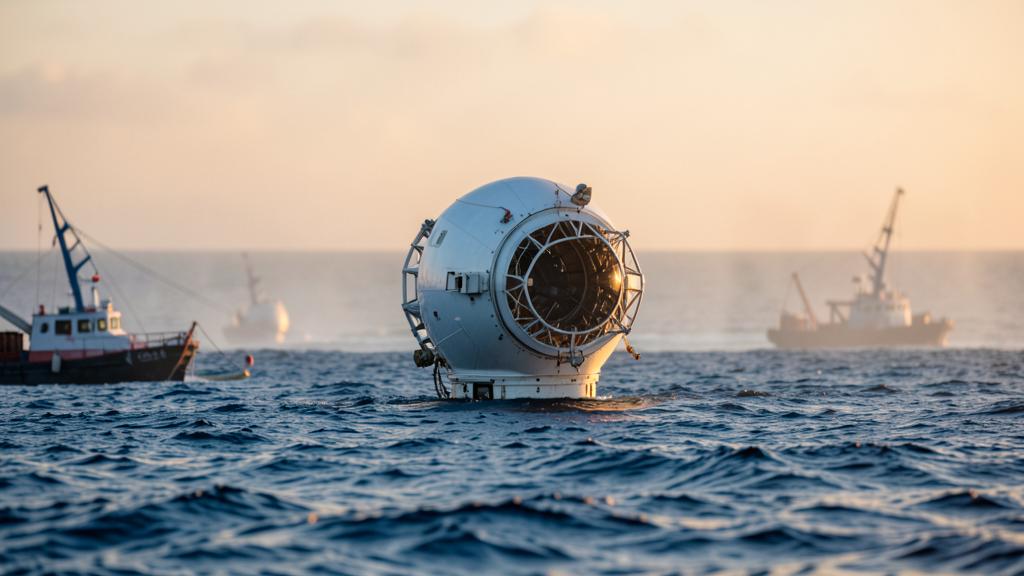
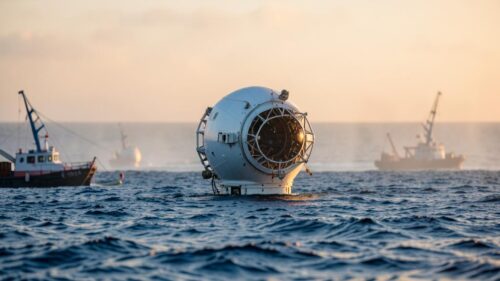
A SpaceX Dragon cargo spacecraft splashed down into the Pacific Ocean off the California coast near Los Angeles at 5:03 p.m. EST on Saturday, November 21, completing a 29-hour journey back from the International Space Station. The unpiloted vessel brought back thousands of pounds of high-value scientific research, retired orbital hardware, and crew experiment samples.
The return wrapped up SpaceX’s 35th Commercial Resupply Services mission, designated CRS-35, which originally delivered over 6,300 pounds of science experiments and supplies to the Expedition 75 crew after launching on October 15, 2026. Bad weather near the station delayed the initial departure, but the spacecraft undocked at 12:05 p.m. ET on Friday before making its descent through the atmosphere.
What the capsule brought back from orbit
Inside the pressurized cabin of the SpaceX Dragon cargo capsule were multiple biological and medical experiments that require immediate analysis on land. Researchers packed experiments studying the growth mechanisms of cancer cells, physical changes linked to aging in microgravity, and the mutation patterns of antibiotic-resistant superbugs.
Alongside medical payloads, the mission brought back physical space station components that need inspection on the ground. A failed joint from the station’s Canadarm2 robotic arm was secured inside the capsule for return. For instance, while most discarded orbital materials burn up harmlessly during atmospheric re-entry, heavy mechanical equipment like this robotic joint requires a gentle ocean recovery so engineers back on Earth can dismantle the part and figure out why it failed in orbit. The capsule also carried research materials linked to Canadian Space Agency astronaut Joshua Kutryk.
Closing out the orbital solar array program
The arrival of the Dragon C211 capsule marked the formal end of a long-running upgrade program for the space station’s power systems. Packed inside the vessel was the eighth and final pair of Redwire-designed flexible ISS Roll-Out Solar Array units, known as iROSA. Returning these flexible array components closes out NASA’s multi-year solar upgrade initiative, which replaced aging rigid solar wings with modern roll-out panels to boost power generation across the orbiting laboratory.
How the 29-hour descent unfolded
After receiving clearance from mission controllers, the unpiloted spacecraft separated from its docking port at 12:05 p.m. ET on Friday. It spent the next 29 hours performing orbital maneuvers to line up its trajectory toward the landing zone in the Pacific Ocean.
The craft re-entered the atmosphere over the eastern Pacific, firing its thrusters to steer toward the recovery area off Southern California. Splashdown occurred at 2:05 p.m. local time near Los Angeles. Recovery teams positioned off the coast deployed boats to secure the spacecraft, extract the temperature-sensitive scientific samples, and prepare the capsule for transport back to shore. NASA and SpaceX will now distribute the returned science payloads to university laboratories and research centers across North America.
Based on reports from
About The Author