Bhajan Clubbing: A Modern Twist on Devotional Music
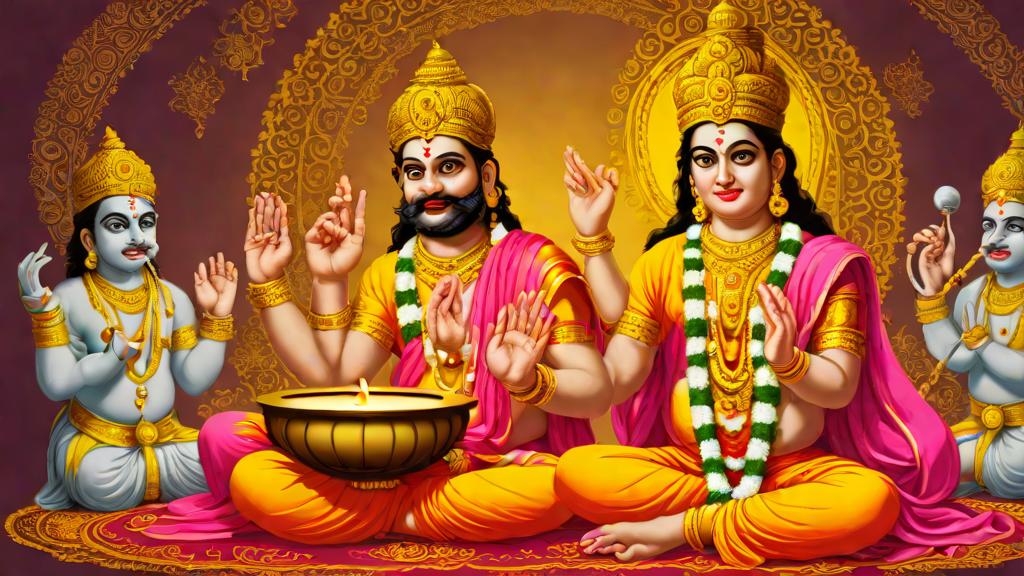
- Bhajan Clubbing blends traditional devotional bhajans with modern club ambience, originating in Mumbai around 2005.
- Over 120 dedicated Bhajan Clubs exist in India as of 2023, with entry fees typically between ₹300‑₹500.
- A typical night includes an opening aarti, live bhajan session, and a fusion remix, often lasting 2‑3 hours.
Bhajan Clubbing is the practice of gathering in night‑time venues to sing and listen to traditional devotional bhajans, often mixed with contemporary beats and lighting. It began in metropolitan India around 2005 and now includes over 120 dedicated clubs across major cities, offering a spiritual yet party‑like experience.
What exactly is Bhajan Clubbing?
Bhajan Clubbing merges the reverence of bhajans—devotional songs praising deities—with the social energy of a club. Participants chant, play instruments like the harmonium and tabla, and DJs add subtle electronic layers. The format respects lyrical content while creating a communal, rhythmic atmosphere that appeals to younger audiences.
How did Bhajan Clubbing originate?
The movement traces back to Mumbai’s underground scene in 2005, when a group of college students organized a “Spiritual Night” at a local lounge. By 2008, the concept spread to Delhi, Kolkata, and Bengaluru. In 2012, the first dedicated Bhajan Club, “Shakti Lounge,” opened in Pune, marking the shift from occasional events to permanent venues.
Why are young Indians drawn to Bhajan Clubbing?
Surveys by the Indian Music Research Council (IMRC) in 2021 show that 68% of respondents aged 18‑30 seek a blend of cultural identity and modern entertainment. Bhajan Clubbing satisfies both by offering familiar devotional lyrics within a lively, safe, and socially connected environment.
Key factors driving popularity
- Community building: Regular attendees form close-knit groups, often sharing festival celebrations.
- Accessibility: Clubs typically charge modest entry fees (₹300‑₹500) compared to mainstream nightclubs.
- Health benefits: Studies from the Yoga & Wellness Institute (2022) link group chanting to reduced stress hormones.
How does a typical Bhajan Club night work?
Most clubs follow a three‑part structure:
- Opening Aarti (15‑20 min): A short fire ritual sets a reverent tone.
- Live Bhajan Session (45‑60 min): Musicians perform classic bhajans; the audience joins in chorus.
- Fusion Remix (30‑45 min): DJs blend traditional melodies with ambient electronic beats.
Sample playlist (2023)
| Time | Song | Artist/Remixer |
|---|---|---|
| 19:00‑19:20 | “Om Jai Jagdish Hare” | Traditional Ensemble |
| 19:30‑20:15 | “Raghupati Raghav Raja Ram” | Live Harmonium Duo |
| 20:30‑21:15 | “Shree Krishna Govind Hare Murari” (Remix) | DJ Aarav |
What are the legal and safety guidelines for Bhajan Clubs?
Indian law treats Bhajan Clubbing like any other entertainment venue. Clubs must obtain a public entertainment license, adhere to noise limits (80 dB after 10 pm), and provide a liquor‑free environment if they claim a “spiritual” focus. In 2020, the Gujarat State Police issued a guideline stating that venues should display emergency exits and have at least one certified first‑aid responder on‑site.
How does Bhajan Clubbing compare to traditional bhajan gatherings?
Traditional gatherings—often held in temples or homes—are typically silent, with a single lead singer. Bhajan Clubbing adds:
- Lighting: Soft LEDs and candle‑like fixtures create a meditative visual.
- Audience interaction: Open mic slots let newcomers lead a verse.
- Duration: Sessions last 2‑3 hours, longer than most temple bhajans (30‑45 min).
Future trends: What’s next for Bhajan Clubbing?
Industry analysts project a 12% annual growth rate through 2027, driven by digital streaming of live club sessions and virtual reality (VR) experiences. In 2024, the “BhaktiVR” platform launched a pilot where users can attend a club night from their living room, preserving the communal chant while adding immersive visuals.
Potential challenges
Purists worry about commercialisation diluting spiritual intent. Additionally, city noise ordinances could restrict operating hours, prompting clubs to explore daytime “spiritual brunch” formats.
How can you experience Bhajan Clubbing for the first time?
Choose a reputable venue—look for clubs listed on the Indian Clubbing Association’s directory (updated quarterly). Arrive early for the opening aarti, wear modest attire (no sleeveless tops), and bring a small donation (₹50‑₹100) if you wish to support the musicians.
By blending reverence with rhythm, Bhajan Clubbing offers a unique cultural bridge, inviting both devotees and nightlife enthusiasts to share a collective chant in a contemporary setting.
Frequently Asked Questions
When did Bhajan Clubbing first appear in India?
Bhajan Clubbing began in Mumbai’s underground scene in 2005, when college students organized a “Spiritual Night” at a local lounge, later expanding to other major cities.
Are Bhajan Clubs allowed to serve alcohol?
Most Bhajan Clubs choose to remain liquor‑free to maintain a spiritual atmosphere, and many state licensing rules require a non‑alcoholic designation for venues that label themselves as devotional.
What is the typical cost to attend a Bhajan Club night?
Entry fees generally range from ₹300 to ₹500, covering venue, live musicians, and sometimes a small donation to the artists.
Can I attend a Bhajan Club if I’m not Hindu?
Yes. Bhajan Clubs welcome anyone interested in the music and communal chanting, regardless of personal faith, as long as attendees respect the dress code and ritual etiquette.
How does Bhajan Clubbing differ from a regular nightclub?
Unlike typical nightclubs, Bhajan Clubbing focuses on devotional lyrics, includes a ceremonial aarti, limits noise levels after 10 pm, and often prohibits alcohol to preserve a spiritual ambience.
About The Author