India’s oil firms drop sugar-based ethanol from 2026-27 petrol blending tender
- Public sector oil companies have excluded sugar-based ethanol from India's 2026-27 petrol blending procurement tender.
- The government says no sugar should be diverted to ethanol fuel blending, a move reports link to a weak monsoon.
- The same 2026-27 tender reduces the price and incentive offered for maize-based ethanol.
- The decision sharpens the debate, flagged by Frontline, over who pays for India's E20 ethanol target.
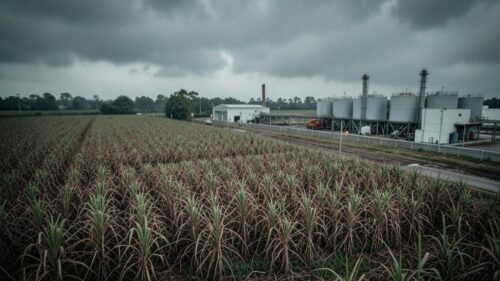
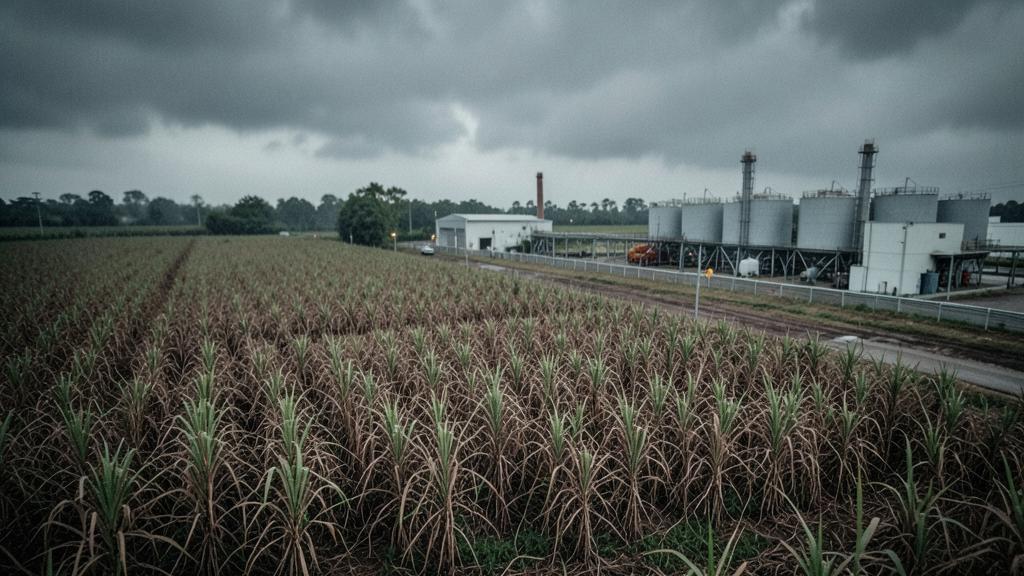
India’s public sector oil companies have decided not to use sugar-based ethanol for petrol blending in the 2026-27 procurement cycle. Reports say state-controlled refiners have excluded sugar-based ethanol from the coming tender and cut the price offered for maize-based ethanol. The government has underlined that no sugar should be diverted to ethanol fuel blending, a move that news reports link to this year’s weak monsoon.
Why did India drop sugar-based ethanol from the 2026-27 tender?
Public sector oil marketers — the state-controlled companies that procure and blend fuel ethanol into India’s petrol supply — have excluded sugar-based ethanol from their procurement plans for the 2026-27 cycle. The Times of India reports that the oil firms “dropped sugar-based ethanol from the 2026-27 tender” and at the same time reduced the price offered for ethanol made from maize.
The exclusion marks a sharp pause in a blending programme that has leaned heavily on sugarcane byproducts, chiefly molasses, as a feedstock. It also raises immediate questions about sugar supply and farmer incomes, and about the pace of India’s move toward higher blends such as E20 — fuel in which 20% is ethanol and 80% is petrol.
Is the weak monsoon behind the decision?
Yes, according to reporting on the move. Sarkaritel.com states that the government has halted sugar-based ethanol procurement “amid weak monsoon” conditions. A weak monsoon matters in India chiefly because it can dent crop yields, including sugarcane, and tighten food supply. Sugarcane-derived ethanol is produced largely from molasses, the main byproduct of sugar manufacturing, so pressure on the sugar crop flows directly into the fuel supply chain.
By removing sugar-based ethanol from the 2026-27 tender, the oil companies appear to be insulating fuel blending from pressure on the food economy at a time when agriculture is already dealing with weather-related uncertainty.
What has the government said about diverting sugar?
The New Indian Express reports the government’s position in a single line: “No diversion of sugar for ethanol fuel blending.” That phrasing matters. Sugar is one of India’s most politically sensitive farm products, and diverting it into fuel competes with household consumption and with the needs of sugar mills.
The government’s stance suggests the tender exclusion is not merely a commercial pricing call by refiners. It aligns with an official view that, in a weak-monsoon year, sugar belongs to the food economy first.
How does the maize price cut change the tender?
Maize is the other major grain used for ethanol production in India. The LawStreet Journal reports that the exclusion of sugar-based ethanol “cuts maize incentive” in the same tender exercise. In plain terms, maize-based ethanol appears to remain eligible for 2026-27 procurement, but at a lower price and with a smaller incentive.
Maize-based ethanol producers now face reduced returns in the next supply cycle, even though their feedstock stays in the blend mandate system. Because feedstock and transport costs dominate ethanol’s landed price, a lower offtake price flows almost directly into plant margins.
- Sugar-based ethanol: excluded from the 2026-27 procurement tender.
- Maize-based ethanol: retained, but offered at a reduced price and with a lower incentive.
- Stated backdrop: weak monsoon conditions and the government’s no-diversion position on sugar.
How does India’s ethanol tender system work?
India’s state-owned oil marketing companies buy ethanol from suppliers placed through competitive tenders. Winning bids are delivered to refineries and terminals and blended into petrol in approved proportions. Two feedstock routes dominate: molasses from sugarcane, and grain-based production mainly from maize. The 2026-27 round of that tendering is where the change has now occurred. Ethanol is an oxygenate: blending it into petrol can improve combustion, and India has promoted it for years to cut crude-oil imports and support farm incomes.
What does this mean for India’s E20 target?
Who pays for the E20 push?
India’s national biofuel policy has long set an “E20” goal — 20% ethanol blended into petrol — and the Frontline Magazine headline “Ethanol Policy: Who Pays for India’s E20 Push?” captures the emerging debate. Removing one of the two main feedstocks from the tender, while trimming the economics of the other, sharpens the cost question that headline poses: who absorbs the gap between the blending ambition and feedstock economics?
Rural India feels the answer first. Sugarcane farmers and the sugar industry lose a committed buyer at a time of monsoon stress, while maize growers see the ethanol premium shrink. At the same time, consumers are shielded from the risk that strong ethanol demand pushes sugar prices higher.
What remains unclear?
The headlines do not say whether the exclusion covers the full 2026-27 supply year or is a temporary pause. The precise size of the maize price cut is not stated, only that the incentive was reduced. And the reports do not indicate whether sugar-based ethanol will return in later tenders if monsoon conditions improve; that detail would come from official tenders or government statements not yet public.
What is clear is the direction of travel. For at least the next blending cycle, India’s refiners are signalling that sugar stays in the food chain, maize supplies the fuel chain on cheaper terms, and the E20 roadmap now carries a bigger question mark over who funds the gap.
Sources
- India Excludes Sugar Based Ethanol from 2026 27 Procurement Tender Cuts Maize Incentive — LawStreet Journal
- Govt Halts Sugar-Based Ethanol Procurement Amid Weak Monsoon — Sarkaritel.com
- Oil firms drop sugar-based ethanol from 2026-27 tender, cut maize price — The Times of India
- Govt: No diversion of sugar for ethanol fuel blending — The New Indian Express
- Ethanol Policy: Who Pays for India’s E20 Push? — Frontline Magazine
Frequently Asked Questions
Why did India exclude sugar-based ethanol from the 2026-27 tender?
Public sector oil firms excluded sugar-based ethanol from the 2026-27 procurement tender after the government signalled that no sugar should be diverted to ethanol fuel blending amid a weak monsoon. The move is intended, per reports, to ease pressure on the food supply rather than reflect a change in blending targets.
What happened to maize-based ethanol in the same tender?
Maize-based ethanol remains in the programme, but the oil firms cut the price offered for it and reduced the associated incentive in the 2026-27 tender. The LawStreet Journal framed the change as a cut to the maize incentive made alongside the exclusion of sugar-based ethanol.
Is the exclusion of sugar-based ethanol permanent?
The reports do not say. The headlines do not clarify whether the exclusion covers the full 2026-27 supply year, is a one-off pause, or signals a longer-term shift away from sugarcane feedstock; that will depend on monsoon conditions, sugar supply, and subsequent government and tender announcements.
What is India's E20 target?
E20 refers to fuel blended with 20% ethanol and 80% petrol, the goal set by India's national biofuel policy. The Frontline analysis "Who Pays for India's E20 Push?" highlights the cost question raised when a major feedstock like sugar-based ethanol is removed from procurement while maize economics are trimmed.
Will this decision protect sugar consumers?
The government's stated rationale is that sugar should not be diverted to fuel, which by design keeps sugar in the food economy during a weak monsoon. That should cushion sugar prices, though the reports do not quantify any actual price effect.
About The Author