MadeInUPForTheWorld: How Uttar Pradesh is Positioning Local Products for Global Markets
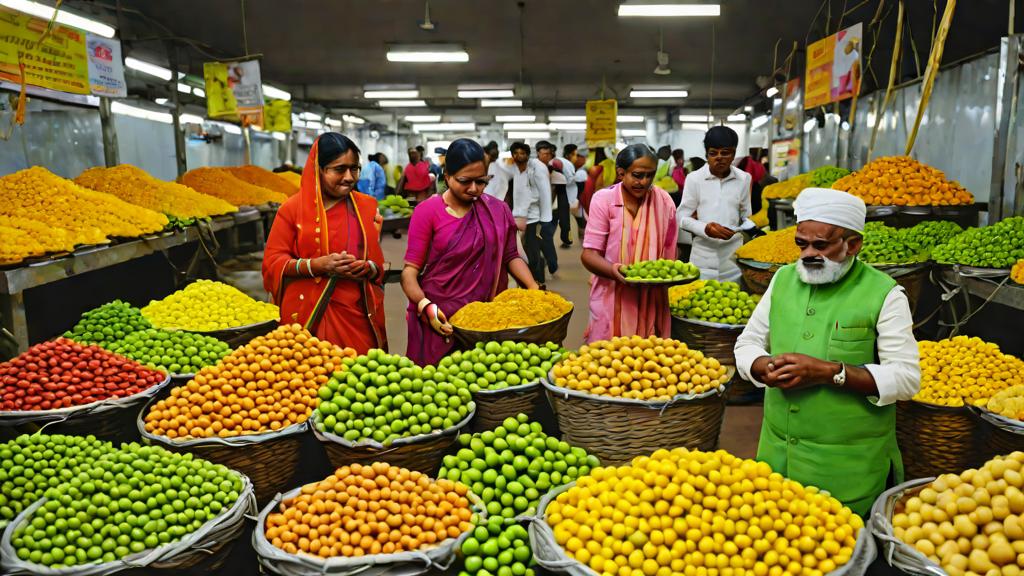
- MadeInUPForTheWorld launched in January 2023 to certify and promote UP‑made products globally.
- Certification requires 60 % locally sourced material, ISO 9001 compliance, and a minimum 500 sq ft production area.
- Export value from certified sectors grew 28 % in FY 2023‑24, reaching an estimated USD 270 million.
- International buyers verify authenticity instantly via a QR code that displays a detailed certificate.
MadeInUPForTheWorld is a branding initiative launched by the Indian state of Uttar Pradesh in 2023 to promote locally manufactured products globally. It provides a certification mark, export incentives, and a digital marketplace for UP‑made goods.
What is MadeInUPForTheWorld?
MadeInUPForTheWorld is a government‑backed program that aims to create a single, recognizable label for products that are designed, produced, and assembled in Uttar Pradesh (UP). The label appears on packaging, marketing material, and a QR code that links to a publicly accessible verification portal.
When was the program launched?
The initiative was officially announced on 15 January 2023 during the Uttar Pradesh Industrial Summit and became operational on 1 April 2023 after the rollout of the certification infrastructure.
How does the certification work?
Manufacturers apply through an online portal managed by the Uttar Pradesh Export Promotion Council (UPEPC). After a site audit, the council issues a unique alphanumeric code that appears as a QR tag on the product. Scanning the QR code returns a JSON‑formatted certificate that includes the factory name, production date, and compliance details.
Eligibility criteria for manufacturers
To qualify, a company must meet all of the following conditions:
- Registered in Uttar Pradesh and have a valid GSTIN.
- Own or lease at least 500 sq ft of manufacturing space.
- Demonstrate compliance with ISO 9001 or comparable quality standards.
- Commit to using at least 60 % locally sourced raw materials.
- Pass a third‑party environmental audit (e‑audit score ≥ 75 %).
Benefits for exporters
Certified firms receive a 5 % rebate on export duties, priority listing on the MadeInUPForTheWorld marketplace, and eligibility for the State Export Grant, which can cover up to INR 2 million per fiscal year for marketing expenses.
Which sectors have seen the biggest growth?
Since its inception, the program has focused on three high‑potential sectors: textiles, handicrafts, and leather goods. Data released by UPEPC in December 2024 shows a combined export increase of 28 % across these categories.
Textiles and apparel
Uttar Pradesh’s textile clusters in Kanpur and Aligarh reported a 34 % rise in shipments to the United Arab Emirates and European Union markets, moving from USD 45 million in FY 2022‑23 to USD 60 million in FY 2023‑24.
Handicrafts and leather
Handicraft exporters from Varanasi and Lucknow saw a 22 % jump in overseas orders, with the United States accounting for USD 12 million of the FY 2023‑24 total.
How can international buyers verify a product’s UP origin?
Buyers scan the QR code printed on the product label using any standard QR reader. The portal then displays a verification page that includes:
- Manufacturer name and address.
- Date of certification and expiry.
- Compliance badges (ISO, e‑audit, GST).
- Export history summary (last three shipments).
The page also offers a downloadable PDF certificate that can be attached to customs documentation.
QR code verification process
1. Open a QR scanner on a smartphone.
2. Point the camera at the QR tag on the product.
3. Tap the notification to open the verification URL.
4. Review the certificate details; a green checkmark indicates a valid, active certification.
What impact has the initiative had on Uttar Pradesh’s economy?
Early impact assessments show that MadeInUPForTheWorld has contributed to a measurable uplift in both export volumes and employment within the state’s manufacturing ecosystem.
Export figures 2023‑2024
| Fiscal Year | Total UP Exports (USD million) | Growth Rate |
|---|---|---|
| 2022‑23 | 210 | — |
| 2023‑24 (projected) | 270 | 28 % |
Job creation statistics
The state labour department estimates that the program has generated roughly 45 000 new jobs in certified factories, with an average salary increase of 12 % compared with non‑certified peers.
What are the next steps for businesses interested in MadeInUPForTheWorld?
Companies should first audit their supply chain to confirm the 60 % local content requirement, then register on the UPEPC portal and schedule a pre‑audit inspection. Successful applicants can expect certification within 30 days of audit approval.
Challenges and criticisms
While MadeInUPForTheWorld has been praised for boosting exports, some industry observers point out a few hurdles that could limit its long‑term effectiveness:
- Awareness gap: Many small and medium enterprises (SMEs) in rural districts remain unaware of the certification process, leading to uneven adoption across the state.
- Compliance costs: Achieving ISO 9001 and passing the e‑audit can be expensive for micro‑manufacturers, prompting calls for a tiered certification model.
- Supply‑chain bottlenecks: The 60 % local raw‑material rule sometimes forces firms to source from limited vendors, creating price pressure and occasional delays.
The Uttar Pradesh government has announced a series of remedial measures, including subsidised training programmes, a “Fast‑Track SME” audit track, and the establishment of a raw‑material hub in Farrukhabad to alleviate sourcing constraints.
Success stories
Kanpur Silk Fabrics Ltd. – After obtaining the MadeInUPForTheWorld label in July 2023, the company secured a €5 million contract with a French fashion house. Export revenue grew from USD 3.2 million to USD 7.8 million within 12 months, and the firm added 150 new jobs.
Varanasi Handloom Cooperative – By leveraging the digital marketplace, the cooperative showcased its Banarasi saris to buyers in the United States and Japan. The QR‑code verification feature boosted buyer confidence, resulting in a 40 % increase in order volume during FY 2023‑24.
Digital marketplace features
The MadeInUPForTheWorld online portal functions as both a showcase and a B2B matchmaking engine. Key capabilities include:
- Advanced filtering: Buyers can search by product category, certification level, export history, and sustainability scores.
- Live chat with manufacturers: Integrated messaging enables real‑time negotiation of pricing, MOQ, and logistics.
- Analytics dashboard: Sellers receive insights on visitor traffic, conversion rates, and market trends to optimise their listings.
- Secure payment gateway: Supports multiple currencies and offers escrow services to protect both parties.
Future roadmap (2025‑2027)
To sustain momentum, the Uttar Pradesh Export Promotion Council has outlined a three‑year plan:
- 2025: Expand certification to additional sectors such as agro‑processing, renewable‑energy components, and medical devices.
- 2026: Introduce a blockchain‑based traceability layer for the QR codes, ensuring tamper‑proof provenance data.
- 2027: Launch “MadeInUP Global Expo,” an annual international trade fair rotating between Delhi, London, and Dubai, to showcase certified products to a wider audience.
How SMEs can get started today
Small manufacturers looking to join the programme should follow these quick steps:
- Conduct a self‑assessment against the eligibility checklist (GSTIN, floor‑space, ISO, local content, e‑audit).
- Register on the UPEPC portal and upload basic company documents.
- Schedule a pre‑audit inspection; many district industrial officers now offer on‑site guidance at no cost.
- Prepare a brief supply‑chain map highlighting local raw‑material sources to demonstrate compliance with the 60 % rule.
- Upon approval, integrate the QR‑code label into product packaging and list the items on the MadeInUPForTheWorld marketplace.
By completing these actions, businesses can tap into export incentives, increase brand credibility, and connect with global buyers eager for authentic Indian‑made products.
Frequently Asked Questions
How long does the MadeInUPForTheWorld certification remain valid?
The certification is valid for three years from the date of issue. Renewal requires a fresh compliance audit and a minimum 70 % score on the environmental e‑audit.
Can a product made partly in Uttar Pradesh and partly elsewhere use the label?
Only if at least 60 % of the value‑added manufacturing processes occur within Uttar Pradesh and the company meets all other eligibility criteria.
Is there a fee to apply for the MadeInUPForTheWorld mark?
Yes, there is a nominal processing fee of INR 15,000 for the initial application and INR 5,000 for each subsequent renewal.
What export incentives are linked to the program?
Certified exporters receive a 5 % rebate on export duties, priority placement on the state’s digital marketplace, and up to INR 2 million per year in marketing grants.
How does the QR code help customs officials?
The QR code links to a real‑time verification page that displays the product’s origin, certification status, and recent export history, simplifying customs checks and reducing fraud.
About The Author