NEET UG Paper Leak: Parliamentary Panel Urges CBT Mode and NTA Reforms
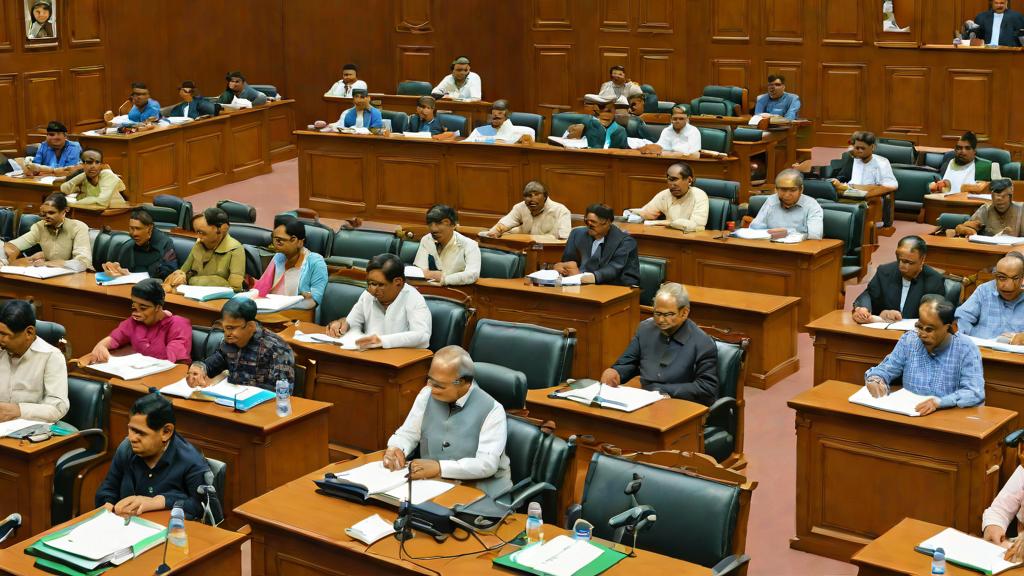
- A parliamentary panel recommended transitioning NTA-conducted exams, including NEET UG, to Computer-Based Test (CBT) mode to prevent paper leaks.
- The panel urged that the National Testing Agency (NTA) be made accountable to both Houses of Parliament to ensure strict administrative oversight.
- The proposed reforms aim to address structural vulnerabilities in physical paper distribution and restore trust in national entrance examinations.
Following widespread concern over the NEET UG paper leak, a parliamentary panel has recommended that entrance examinations conducted by the National Testing Agency (NTA) transition to a Computer-Based Test (CBT) mode. The parliamentary panel also called for urgent exam reforms and demanded that the NTA be held directly accountable to both Houses of Parliament. These recommendations aim to prevent future security breaches, eliminate question paper leaks, and restore trust in national competitive assessments.
What did the parliamentary panel recommend for the NEET exam?
In response to severe disruptions caused by paper leaks in major competitive exams, a parliamentary panel evaluated the operational framework of the National Testing Agency. The panel’s primary recommendation is to shift NTA-run assessments, particularly the National Eligibility cum Entrance Test (NEET UG), from traditional paper-pencil formats to a secure Computer-Based Test (CBT) system. By moving examinations to digital platforms, testing authorities can significantly reduce the physical security risks inherent in printing, transporting, and storing physical question papers.
Beyond technological upgrades, the parliamentary panel underscored the necessity of legislative oversight. The committee urged that the NTA be made directly accountable to both Houses of Parliament. Establishing direct reporting mechanisms to lawmakers ensures greater transparency, continuous policy evaluation, and swift regulatory action whenever irregularities occur in high-stakes examinations.
Why is the parliamentary panel suggesting CBT mode for NEET UG?
The recommendation to adopt Computer-Based Testing stems from vulnerabilities associated with pen-and-paper examinations. Traditional paper-based tests rely on physical supply chains that involve printing facilities, secure transit networks, and local storage vaults. Each step in this physical chain represents a potential point of failure where unauthorized individuals could gain access to question papers before exam day.
In contrast, a Computer-Based Test delivers encrypted questions directly to candidate terminals shortly before the exam begins. This model limits human intervention and eliminates paper distribution logistics. The recent paper leak incidents, alongside discussions surrounding the NEET-UG 2026 cancellation, highlighted how systemic flaws in paper-pencil exams compromise fairness for millions of students, necessitating an immediate transition to CBT infrastructure.
Paper-Based Testing vs. Computer-Based Testing (CBT)
Transitioning national competitive examinations from traditional pen-and-paper formats to digital environments fundamentally changes how security and administration are handled. The key structural differences include:
| Feature | Paper-Pencil Mode (OMR) | Computer-Based Test (CBT) |
|---|---|---|
| Delivery Method | Physical paper delivery to exam centers | Encrypted digital delivery to secured terminals |
| Paper Leak Risk | Higher due to extensive physical logistics | Significantly reduced through digital encryption |
| Evaluation Process | Manual or optical mark reader (OMR) scanning | Automated digital logging and rapid evaluation |
| Institutional Oversight | Local center invigilation and physical seals | Centralized digital monitoring and audit trails |
How will NTA accountability to Parliament impact exam governance?
The parliamentary panel’s call to make the National Testing Agency accountable to both Houses of Parliament represents a crucial shift in educational governance. As an autonomous testing body, the NTA manages millions of candidates across medical, engineering, and higher education entrance tests. However, recurring paper leaks and operational failures demonstrate the need for higher-level democratic scrutiny.
Requiring the NTA to answer directly to Parliament introduces key safeguards for national examinations:
- Legislative Review: Lawmakers can regularly review exam protocols, security audits, and administrative preparedness before major test cycles.
- Public Transparency: Parliamentary reports on exam conduct become part of public record, encouraging greater organizational responsibility.
- Rapid Reform Implementation: Statutory parliamentary recommendations can expedite necessary legislative and technological upgrades across national testing bodies.
What does a shift to CBT mean for medical entrance aspirants?
For candidates preparing for NEET UG, a transition to Computer-Based Testing introduces changes in exam preparation and test-day strategy. While the core syllabus covering physics, chemistry, and biology remains grounded in standard curricula, students will need to adapt to reading complex questions, diagrams, and numerical problems on computer screens rather than printed paper booklets.
Aspirants will benefit from standardized testing environments, reduced risks of compromised exams, and faster, more reliable score processing. Educational institutes and candidates will likely focus more heavily on computer-based mock tests to build speed, accuracy, and digital interface familiarity prior to examination day.
Understanding the broader need for national exam reforms
The parliamentary panel’s findings emphasize that restoring integrity to competitive testing requires holistic reform rather than temporary fixes. Paper leaks do not merely disrupt single exam cycles; they create emotional strain for candidates and undermine trust in public meritocracy. By enforcing strict NTA accountability to Parliament and modernizing examination formats through CBT mode, policymakers aim to create a secure, resilient, and transparent testing ecosystem across India.
{
“additional_html”: “
Key Challenges in Implementing CBT for NEET UG
While moving to a Computer-Based Test mode offers enhanced security against paper leaks, scaling digital infrastructure for over two million candidates presents significant logistical challenges. Unlike engineering entrance exams like JEE Main, which are conducted across multiple shifts and days, NEET UG has traditionally been a single-shift examination to
Sources
- NEET UG paper leak: Parliamentary panel recommends switching NTA-run exams to CBT mode — The Hindu
- NEET paper leak: Parliamentary panel seeks NTA accountability to both Houses, urges exam reforms — Telegraph India
- NEET-UG 2026 cancellation exposes need for reforms, parliamentary panel recommends CBT — The Times of India
Frequently Asked Questions
Why did the parliamentary panel recommend CBT mode for NEET UG?
The parliamentary panel recommended Computer-Based Test (CBT) mode following NEET UG paper leak incidents. Moving from paper-pencil formats to encrypted digital tests eliminates the physical distribution logistics that make traditional question papers vulnerable to leaks.
What oversight changes were proposed for the National Testing Agency (NTA)?
The parliamentary panel urged that the NTA be held accountable directly to both Houses of Parliament. This requirement introduces legislative scrutiny, regular administrative audits, and greater public transparency in managing national entrance tests.
How does Computer-Based Testing (CBT) prevent question paper leaks?
Computer-Based Testing delivers encrypted exam papers directly to candidate terminals shortly before the exam begins. This digital model avoids physical printing, transport, and storage, significantly lowering the risk of unauthorized access or paper leaks.
About The Author