What Is the Premier League? Rules, History, and Broadcast Stats Explained
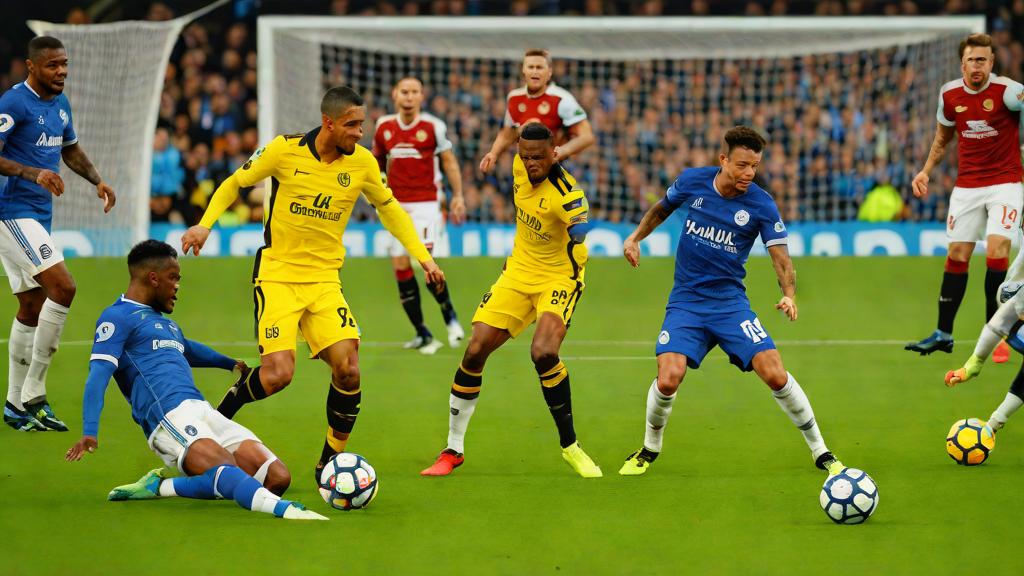
- The Premier League was founded on February 20, 1992, when top-flight English clubs separated from the Football League First Division.
- Twenty clubs compete in a 38-game season running from August to May, earning three points for a win and one point for a draw.
- Manchester United has won the most Premier League titles with 13 championships, followed by Manchester City with eight titles.
- The bottom three teams are relegated each season to the EFL Championship, while the top four teams qualify for the UEFA Champions League.
- Alan Shearer is the Premier League's all-time top goalscorer with 260 goals scored for Blackburn Rovers and Newcastle United.
The Premier League is the top tier of the English football league system, featuring 20 professional soccer clubs competing in an annual round-robin tournament from August to May. Established in 1992 following a departure from the Football League First Division, it operates as a corporation where member clubs act as equal shareholders. Today, the Premier League is the most-watched sports league in the world, broadcasting to over 4.7 billion people across 190 countries.
How Does the Premier League Competition Format Work?
The Premier League features 20 teams playing a total of 38 regular-season matches. Each club plays every other team twice—once at their home stadium and once away. Teams receive three points for a victory, one point for a draw, and zero points for a loss. The team with the highest accumulated point total at the end of the 38-game schedule is crowned Premier League champion.
Matches are governed by International Football Association Board (IFAB) rules and utilize Video Assistant Referee (VAR) technology, which was introduced to the league ahead of the 2019–20 season. Official player transfer windows open twice per season: a primary summer window operating from June to September, and a mid-season winter window during January.
If two or more teams end the season tied on points, standings are determined using specific tiebreaking criteria in order:
- Goal Difference: Total goals scored minus total goals conceded across all 38 matches.
- Goals Scored: Total number of goals scored during the season.
- Head-to-Head Points: Points earned in head-to-head matches between the tied teams.
- Head-to-Head Away Goals: Goals scored on the road in matches between tied clubs.
When Was the Premier League Founded?
The Premier League was formally founded on February 20, 1992, when top-flight clubs in the Football League First Division resigned from the Football League, which had governed English competition since 1888. The primary motivation was financial independence. By breaking away, top clubs retained authority to negotiate lucrative domestic and international television broadcast rights independently.
The inaugural Premier League season commenced on August 15, 1992, with 22 clubs. Forward Brian Deane scored the league’s first-ever goal for Sheffield United in a 2–1 victory against Manchester United. That inaugural season concluded with Manchester United winning the title under manager Sir Alex Ferguson. To improve match scheduling and national squad preparation, the league reduced its size from 22 to 20 clubs in 1995 by relegating four teams and promoting only two.
Which Clubs Have Won the Most Premier League Titles?
Since its creation in 1992, only seven clubs have won the Premier League title out of 51 distinct teams that have competed. Manchester United dominated the first two decades, claiming 13 league titles. In recent years, Manchester City has established dominant domestic performance under manager Pep Guardiola, winning six titles in seven seasons between 2018 and 2024.
| Club | Titles Won | Winning Seasons |
|---|---|---|
| Manchester United | 13 | 1992–93, 1993–94, 1995–96, 1996–97, 1998–99, 1999–00, 2000–01, 2002–03, 2006–07, 2007–08, 2008–09, 2010–11, 2012–13 |
| Manchester City | 8 | 2011–12, 2013–14, 2017–18, 2018–19, 2020–21, 2021–22, 2022–23, 2023–24 |
| Chelsea | 5 | 2004–05, 2005–06, 2009–10, 2014–15, 2016–17 |
| Arsenal | 3 | 1997–98, 2001–02, 2003–04 |
| Blackburn Rovers | 1 | 1994–95 |
| Leicester City | 1 | 2015–16 |
| Liverpool | 1 | 2019–20 |
How Do Promotion, Relegation, and European Qualification Work?
The Premier League operates an open tier system linked with the second-tier EFL Championship. At the end of every season in May, the bottom three teams in the Premier League table are automatically relegated to the Championship. In return, three Championship teams gain promotion to the Premier League: the top two automatic finishers and the winner of the Championship promotion playoff between the 3rd, 4th, 5th, and 6th placed teams.
What European Competitions Do Premier League Teams Qualify For?
League positions determine qualification for elite continental competitions organized by UEFA:
- UEFA Champions League: The top four clubs in the final standings earn direct entry into the Champions League group/league phase.
- UEFA Europa League: The fifth-place team and the winner of the FA Cup earn qualification for the Europa League.
- UEFA Conference League: The winner of the EFL Cup (Carabao Cup) earns entry into the Conference League play-offs.
What Makes the Premier League the World’s Most Valuable League?
Financial revenue in the Premier League far exceeds other European soccer leagues. Television broadcast deals generate over £3.5 billion annually across domestic and international markets. The initial five-year television rights deal in 1992 was sold to BSkyB for £304 million; current multi-year broadcast cycles generate over £10 billion globally.
Unlike Spain’s La Liga or Italy’s Serie A historically, Premier League TV revenues are distributed relatively equally among all 20 clubs. Merit payments and facility fees vary based on final positions, but even lower-ranked clubs receive substantial broadcast income. This financial structure allows mid-table Premier League clubs to pay high player wages and compete globally for international talent.
Who Are the Premier League’s All-Time Stat Leaders?
Individual career achievements in the Premier League include several long-standing records:
- Most Goals: Alan Shearer scored 260 goals across 441 matches for Blackburn Rovers and Newcastle United.
- Most Appearances: Gareth Barry holds the appearance record with 653 matches played for Aston Villa, Manchester City, Everton, and West Bromwich Albion.
- Most Assists: Ryan Giggs recorded 162 assists in 632 Premier League appearances for Manchester United.
- Most Clean Sheets: Goalkeeper Petr Čech kept 202 clean sheets in 443 matches playing for Chelsea and Arsenal.
Frequently Asked Questions
How does promotion and relegation work in the Premier League?
The Premier League uses an annual promotion and relegation system with the second-tier EFL Championship. At the end of the 38-game season in May, the bottom three Premier League teams are relegated to the Championship. In exchange, the top two Championship teams and the winner of a four-team playoff (3rd to 6th place) are promoted to the Premier League.
Which team has won the most Premier League titles?
Manchester United holds the record for the most Premier League titles, winning 13 championships between 1992 and 2013 under manager Sir Alex Ferguson. Manchester City holds the second-most titles with eight championships, having won six of those titles under manager Pep Guardiola between 2018 and 2024.
How many games are played in a Premier League season?
A full Premier League season consists of 380 total matches, with each of the 20 participating clubs playing 38 games. Every team plays all other 19 clubs twice during the season—once at their home stadium and once at the opponent's venue—between August and May.
How do Premier League teams qualify for the UEFA Champions League?
The top four teams in the final Premier League standings automatically qualify for the league phase of the UEFA Champions League for the following season. In certain seasons, a fifth Premier League club may qualify if England finishes in the top two of UEFA's annual single-season association coefficient rankings.
About The Author