
Understanding Rishikesh Weather: Your Perfect Himalayan Escape Awaits
Planning a trip to Rishikesh, the vibrant yoga capital nestled in the foothills of the Himalayas, requires understanding the local climate. Knowing the specifics of the Rishikesh weather is crucial to ensuring your Himalayan adventure—whether it’s deep meditation, exhilarating white-water rafting, or gentle Ayurvedic massages—is nothing short of perfect. Like much of the region, the climate here varies dramatically depending on the season, so a thorough guide is essential before you pack your bags.
Seasonal Breakdown: What to Expect Year-Round
Rishikesh experiences a distinct seasonal cycle, largely dictated by the monsoon patterns and the proximity to the snow-capped mountains. Understanding these shifts helps travelers choose the best time to visit for their specific interests.
Spring (March to May): The Pleasant Awakening
Spring is arguably the most pleasant time to visit Rishikesh. The weather is generally mild, sunny, and invigorating. Temperatures are climbing but remain comfortable, making it ideal for sightseeing and outdoor activities. The air is crisp, and the natural surroundings are lush with fresh greenery. You can expect beautiful sunshine, perfect for early morning yoga sessions by the Ganges River. However, as May progresses, the temperatures can start to warm up significantly, signaling the approach of the pre-monsoon heat.
Summer (June to August): Monsoon Magic and Moderate Temperatures
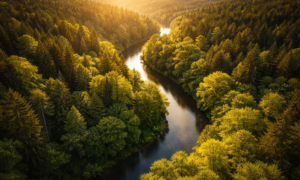
The monsoon season brings dramatic transformations to the landscape. From June to August, expect increased rainfall. While heavy downpours can occasionally disrupt plans, the monsoon greens the Himalayas spectacularly, making the scenery breathtaking. The humidity levels can be high, so packing light, breathable clothing is advisable. Furthermore, the river levels are generally high, making rafting adventurous, though conditions can be unpredictable.
Autumn (September to November): The Golden Season
Many seasoned travelers consider Autumn the absolute best time to visit Rishikesh. As the monsoon recedes, the skies clear up, and the temperatures become wonderfully moderate. The humidity drops, and the crisp mountain air returns. The foliage starts to change colors, offering stunning photographic opportunities. The weather stability during Autumn months makes it excellent for trekking and spiritual exploration.
Winter (December to February): Cool, Crisp, and Serene
Winter in Rishikesh is characterized by cool to cold temperatures, especially during the early mornings and nights. While the daytime can be quite pleasant when the sun shines, nights require proper layering. If you enjoy the serene, misty atmosphere often associated with Himalayan treks, winter is ideal. Keep in mind that visibility can sometimes drop, and cold weather gear is non-negotiable for comfort.
Temperature Ranges and What to Pack
To help you visualize what to pack, here is a general guide to expected temperature ranges:
- Spring: Daytime highs around 25°C to 30°C; Nighttime lows around 15°C.
- Summer: Daytime highs can reach 30°C to 35°C; Nighttime lows around 22°C (humid).
- Autumn: Daytime highs around 20°C to 28°C; Nighttime lows around 12°C.
- Winter: Daytime highs around 15°C to 20°C; Nighttime lows can drop to 5°C or lower.
Must-Have Packing Essentials Based on Season
Preparation is key. Don’t let unpredictable weather derail your journey!
For Spring & Autumn: Layers are your best friend. Pack light sweaters, jeans, t-shirts, and a waterproof/windproof jacket. Comfortable walking shoes are essential for exploring the narrow lanes of the town.
For Monsoon: Waterproof shoes, quick-dry clothing, a reliable umbrella, and a rain jacket are highly recommended. Always check the local forecast for active warnings.
For Winter: Thermal wear, woollen socks, a warm jacket (puffer style), gloves, and a scarf are mandatory, especially if you plan activities near the river bank early in the morning.
Activities and Their Relation to Weather
Different activities are best enjoyed during specific weather windows. When considering Rishikesh weather, align your itinerary with the climate:
White-Water Rafting
The Ganges rafting experience is thrilling year-round, but peak flow (and thus excitement) is often reported during the post-monsoon period (September to November). During peak summer, rafting can be very hot, so mornings are best.
Yoga and Spirituality
For deep meditation, the serene, dry air of Autumn and Spring is unbeatable. The cooler mornings are perfect for sunrise Ganga Aarti viewing.
Trekking
Trekking through the surrounding hills is safest and most enjoyable during Spring and Autumn when the trails are dry and the air is crisp. Monsoon trekking is beautiful but risky due to slippery conditions.
Conclusion: When is the Best Time to Visit?
If we had to pinpoint the absolute best time based on a blend of weather comfort and activity levels, **Autumn (September to November)** generally takes the top spot. It offers clear skies, pleasant temperatures, and reliable sunshine. However, if you prefer lush, vibrant green landscapes and are prepared for higher humidity, the monsoon months offer a uniquely beautiful, albeit wet, experience. Always cross-reference local advisories with this general guide to ensure a memorable trip to the spiritual haven that is Rishikesh.