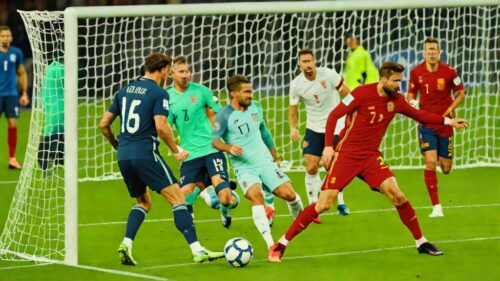
The Golden Glory: An In-Depth Guide to La Liga Football

The Enduring Magic of La Liga: A Global Football Obsession
For football aficionados worldwide, few leagues command the prestige, glamour, and tactical artistry of La Liga. More than just a collection of matches, La Liga is a cultural institution; a dazzling showcase where technical skill, attacking flair, and intense rivalry collide every weekend. It has shaped global football understanding, drawing admiration not only for its star players but for the unique brand of football it champions—a style often characterized by intricate passing movements and positional fluidity. If you want to understand the heart of modern football artistry, understanding La Liga is essential.
What Makes La Liga Uniquely Captivating?
While leagues across Europe boast intense physicality and high-octane action, La Liga often exudes a more polished, almost artistic quality. It emphasizes possession, intricate passing combinations, and tactical intelligence. This commitment to technical mastery elevates the viewing experience, turning games into masterpieces of organized athleticism.
Historical Roots and Unmatched Prestige
The history woven into the fabric of La Liga is legendary. It represents the pinnacle of Spanish sporting achievement. The rivalry between the ‘Big Three’—Real Madrid, FC Barcelona, and Atlético Madrid—is not merely athletic competition; it is deeply interwoven with the social and political fabric of Spain itself. These battles generate unmatched narrative tension, turning every season into must-watch global drama.
The cultural weight placed on winning titles, particularly the rivalry known as El Clásico, ensures that stakes are always at an all-time high. Success in La Liga carries a historical patina that few other competitions can match.
The Tactical Philosophy: Flair Meets Structure
Tactically, La Liga has historically favored ball possession and attacking width. Unlike leagues that might prioritize relentless pressing and aerial battles, the Spanish approach often requires players to operate within tight passing triangles, dictating tempo with near-perfect synchronization. Teams must be technically superior, not just physically dominant. This emphasis has fostered generations of world-class playmakers who thrive under pressure to execute complex passing sequences.
Navigating the Modern Landscape of La Liga
The league is dynamic. It continually evolves in response to global football trends, player transfer dynamics, and managerial innovation. Despite periods of fluctuation, the core ingredients—elite talent and intense passion—remain firmly in place.
The Reigning Powers: Clubs That Define the League
When discussing La Liga, three clubs inevitably dominate the conversation: Real Madrid, FC Barcelona, and Atlético Madrid. Each club embodies a different facet of Spanish football philosophy, yet their collective rivalry drives the league’s commercial and athletic engine.
Real Madrid: The Icon of Dominance
The Madrid giants are synonymous with global success and winning big. Their history is peppered with European titles, instilling a mentality of conquering that permeates every aspect of their play. They represent consistent, high-stakes performance.
FC Barcelona: The Embodiment of Identity
Barça often stands for footballing philosophy and identity. Their history has been marked by an almost obsessive commitment to homegrown talent and a specific, highly technical style of play, making them captivating viewing.
Atlético Madrid: The Grit and the Fight
Athletic Madrid, meanwhile, represents the tenacity and hard-nosed competitiveness. They thrive in moments of high tension, embodying a fighting spirit that grounds the sometimes ethereal glamour of the other two titans.
Rising Stars and Unsung Contenders
However, to view La Liga only through the lens of the ‘Big Three’ is to miss its vibrant diversity. Mid-table teams and emerging squads are vital. They are the proving grounds for the next generation of talent and the unexpected sources of upsets. Monitoring these clubs provides the most exciting measure of the league’s underlying health and dynamism.
La Liga vs. The World: A Comparative View
How does this league stack up against global giants like the English Premier League (EPL) or Serie A? The difference often comes down to philosophy. While the EPL is celebrated for its sheer athleticism, intensity, and constant pace—sometimes prioritizing goal output over positional subtlety—La Liga often rewards patience, intelligence, and perfect execution.
It is a league that tests your tactical acumen as much as it tests your athleticism. For the modern viewer, watching La Liga is an exercise in appreciating football artistry at its highest level.
Conclusion: Why La Liga Commands Attention
Ultimately, the draw of La Liga is its intoxicating blend of high-stakes rivalry, technical beauty, and profound cultural significance. It demands attention because the narrative threads—the clash of egos, the quest for sporting immortality, and the sheer poetry of the ball at your feet—are woven into every single matchday. It is a spectacle for the discerning football connoisseur, promising glory, glamour, and unforgettable footballing moments all season long.
The Tactical Deep Dive: Beyond Possession Football
While “possession football” is often the shorthand used to describe La Liga’s allure, the reality is far more nuanced. Modern Spanish football has absorbed global tactical trends while retaining its core identity. The evolution has seen a sophisticated hybridization, moving beyond simple passing patterns. Today, successful teams must master transition play—the swift, devastating counter-attack that breaks the methodical buildup. This requires elite fitness levels combined with supreme technical skill, a rare dual requirement.
The Role of the Modern Full-Back and Wing Play
A significant tactical evolution in recent years has been the elevated role of the full-back (or wing-back). In traditional Spanish systems, full-backs were often seen as primarily defensive anchors. In the modern La Liga setup, however, they are crucial offensive conduits. They must possess the crossing accuracy of a winger, the stamina of a midfielder, and the tactical discipline of a defender. Teams that effectively utilize this flank play, overloading the wings during build-up phases, create width that stretches opposing defenses thin, opening up channels for the central playmaker to exploit.
Defensive Structure and Pressing Schemes
To maintain possession, a team must first be defensively sound. La Liga teams often employ highly organized, zonal defensive blocks. When possession is lost, the immediate counter is rarely a desperate tackle; it is usually a collective, intelligently orchestrated press designed to force the opponent into a predictable area, allowing a controlled turnover or a quick vertical pass. This high-level, collective defensive understanding—the reading of the opposition’s passing lanes—is perhaps the most sophisticated element to observe.
The Global Impact: Coaching and Player Migration
La Liga’s reputation as a crucible for talent is self-perpetuating. The success of these top clubs dictates where the world’s best coaches and players want to land. This has created a virtuous cycle: world-class coaches are drawn to the league to implement their advanced methods, which in turn attracts the highest echelon of international talent, thereby raising the overall standard exponentially. This constant upward pressure ensures that even seemingly established teams must innovate or risk falling behind.
Developing the ‘Spanish Way’ Abroad
The influence of La Liga extends far beyond its borders. Many coaches who have spent formative years learning the passing rhythms and positional discipline of Spanish football carry that philosophy into other leagues. This ‘Spanish imprint’ can be seen in clubs globally that prioritize ball retention and complex build-up play, cementing La Liga’s educational and cultural footprint on the sport.
Tips for the First-Time La Liga Viewer
For those new to the nuances of Spanish football, a few viewing tips can enhance the experience:
- Watch the Build-Up: Don’t just watch the goal-scoring chances. Pay close attention to the first 20 minutes of play. Observe how the team moves the ball from their own defensive third into the opponent’s final third—this is where the tactical mastery shines.
- Identify the Primary Creator: Every elite team will have one player who seems to dictate the flow—the deep-lying playmaker or the advanced number 10. Watching this individual dictates the tempo will illuminate the team’s structure.
- Appreciate the Pressures: Note how much the players communicate non-verbally. The positioning, the shoulder nudge to maintain space, the quick check-back pass—these minute details are the visible product of immense coaching dedication.
By observing these elements, the casual fan can transform into an appreciative student of modern tactical warfare.
About The Author