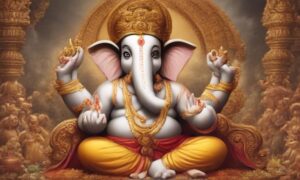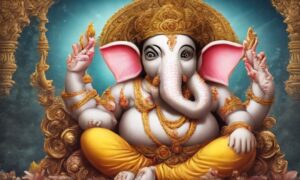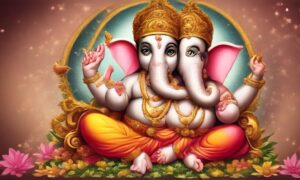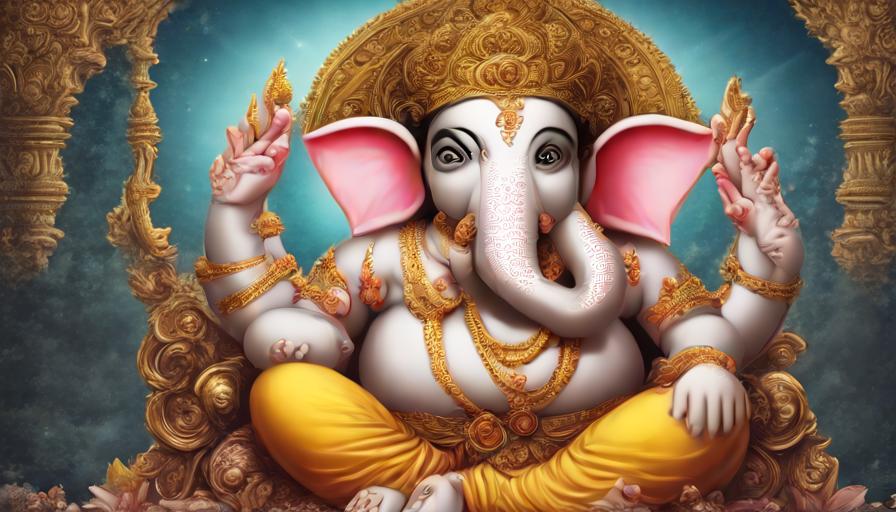
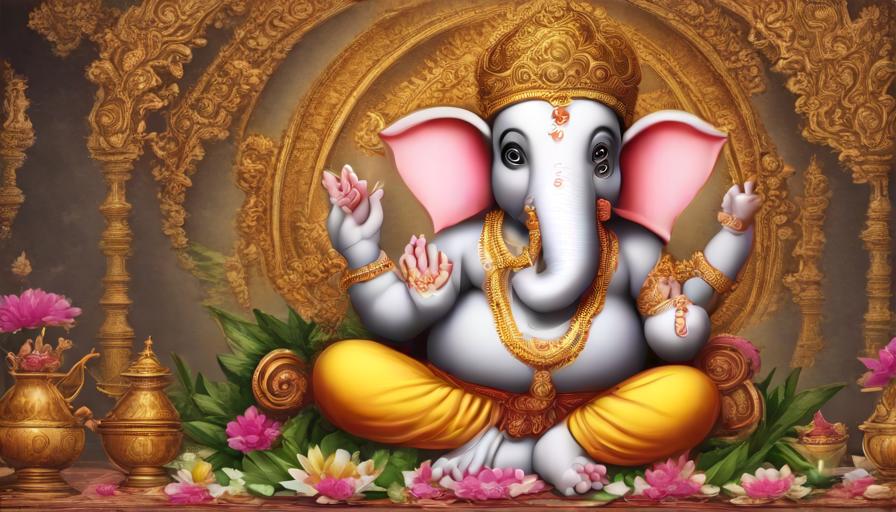
- Vinayaka Chavithi celebrates the birth of Lord Ganesha on Bhadrapada Shukla Chaturthi, spanning between 1.5 and 10 days.
- The four primary phases of worship are Prana Pratishtha (invocation), Shodashopachara Puja (16 tributes), Naivedyam (food offering), and Visarjan (immersion).
- Traditional food offerings include 21 Modaks, steamed Kudumu, Undrallu, and Panchamrutam.
- Eco-friendly clay idols and Seed Ganesha alternatives prevent water pollution during the concluding Visarjan ritual.
Vinayaka Chavithi, also known as Ganesh Chaturthi, is a prominent Hindu festival that celebrates the birth and divine descent of Lord Ganesha, the elephant-headed deity of wisdom, prosperity, and obstacle removal. Wishing loved ones a Happy Vinayaka Chavithi honors this ten-day observance, which begins on the fourth day (Chaturthi) of the waxing moon in the Hindu month of Bhadrapada, falling between August and September. The festival combines solemn household rituals, community gatherings, traditional culinary feasts, and sacred water immersion ceremonies across India and worldwide.
Understanding the spiritual significance, ritual steps, and cultural heritage of Vinayaka Chavithi enables devotees and observers to participate meaningfully in this ancient tradition.
What Is the Cultural and Spiritual Significance of Vinayaka Chavithi?
Vinayaka Chavithi honors Lord Ganesha as Vighnaharta, the supreme remover of obstacles, and Buddhiprada, the bestower of intellect. In Hindu tradition, Lord Ganesha receives primary invocation (Prathama Puja) before the commencement of any new business enterprise, residential move, or religious ceremony.
According to scriptures such as the Shiva Purana, Goddess Parvati created Ganesha from turmeric paste and breathed life into him to guard her private quarters. When Lord Shiva inadvertently severed the boy’s head during a confrontation, he restored him by attaching the head of a powerful elephant, conferring supreme divine honors upon him. Spiritually, the festival represents renewal, humility, and the transformation of material form into divine energy.
When Is Vinayaka Chavithi Celebrated?
Because the Hindu calendar is lunisolar, the date of Vinayaka Chavithi changes annually on the Gregorian calendar, typically occurring between mid-August and late September. The festival commences specifically during Bhadrapada Shukla Chaturthi, the fourth day of the bright fortnight in the lunar calendar.
The length of celebration varies according to household traditions and regional customs:
- 1.5 Days: Common among busy urban households who perform quick family worship followed by home immersion.
- 3 to 5 Days: Observed by extended families and medium-sized community groups.
- 10 Days: The complete traditional festival span, culminating on Anant Chaturdashi with massive street processions.
Key Rituals and Phases of Vinayaka Chavithi Worship
Vedic tradition outlines four distinct ritual stages for Vinayaka Chavithi celebrations, whether conducted inside family homes or within public neighborhood shrines (pandals):
| Phase Name | Sanskrit Term | Ritual Actions and Purpose |
|---|---|---|
| 1. Divine Invocation | Prana Pratishtha | Chanting mantras to invite divine energy into the clay idol. |
| 2. Worship Tribute | Shodashopachara Puja | Offering sixteen formal tributes, including flowers, incense, lamps, and sandal paste. |
| 3. Sacred Offering | Naivedyam | Presenting traditional foods, especially sweet Modak and fresh sugarcane. |
| 4. Farewell Immersion | Uttarapuja & Visarjan | Final prayers followed by immersing the idol in water, signifying Ganesha’s return to Mount Kailash. |
Traditional Foods Offered During Vinayaka Chavithi
Food preparations form an integral aspect of Vinayaka Chavithi worship. Scriptural lore depicts Lord Ganesha as a lover of sweets, and specific regional dishes are crafted as devotional food offerings (Prasadam):
- Modak / Ukadiche Modak: Steamed rice flour dumplings stuffed with fresh grated coconut and jaggery, flavored with cardamom. A sacred count of 21 modaks is traditionally offered.
- Kudumu and Undrallu: Popular offerings in Andhra Pradesh and Telangana made from steamed rice coarse flour, chana dal, and spices.
- Panchamrutam: A holy mixture combining five ingredients—milk, curd, honey, sugar, and ghee—used for ritual bathing (abhishekam) and distribution.
Why Eco-Friendly Clay Idols Are Essential for Celebrations
Historically, Ganesha idols were hand-sculpted from local natural riverbed clay (Metti Pillayar) and decorated with organic dyes. Modern industrialization introduced non-biodegradable Plaster of Paris (PoP) idols painted with heavy metal chemical paints, causing severe ecological harm to aquatic ecosystems during water immersion.
Environmental reforms have restored sustainable traditional practices across global communities:
- Clay Idols (Clay Ganesha): Unbaked clay idols dissolve naturally in water within hours without polluting aquatic life.
- Seed Ganesha: Clay idols embedded with organic plant seeds (such as tulsi or flowering herbs) that can be immersed in a household flowerpot to grow new plant life.
- Artificial Immersion Tanks: Municipalities install mobile immersion tanks to protect natural lakes and rivers from excessive debris.
What Is the Legend of Chandra Darshan (Moon Sighting)?
An enduring myth connected with Vinayaka Chavithi advises against looking at the moon on the night of the festival. Mythological texts state that Chandra, the moon god, mocked Ganesha’s appearance after a heavy feast. Ganesha pronounced a curse stating that anyone who views the moon on this specific night will suffer false allegations (Mithya Dosha).
If someone accidentally looks at the moon during Vinayaka Chavithi, traditional custom prescribes reciting or listening to the story of the Syamantaka Jewel from the Srimad Bhagavatam to neutralize the negative omen.
Popular Greetings for Happy Vinayaka Chavithi
Sharing festive greetings promotes joy and community solidarity. Common ways to express best wishes include:
- English: “Wishing you a joyful and Happy Vinayaka Chavithi! May Lord Ganesha bless your life with wisdom, health, and prosperity.”
- Telugu: “Meku mariyu me kutumbanikiy Vinayaka Chavithi Subhakankshalu!”
- Sanskrit: “Om Gan Ganapataye Namaha. Happy Vinayaka Chaturthi!”
Frequently Asked Questions
Why is looking at the moon forbidden on Vinayaka Chavithi?
According to Hindu mythology, Chandra (the moon god) mocked Lord Ganesha's appearance. Ganesha cursed the moon, stating that anyone who looks at it on Vinayaka Chavithi will face false allegations, known as Mithya Dosha. Reciting the Syamantaka jewel story neutralizes this curse.
What is the difference between Vinayaka Chavithi and Ganesh Chaturthi?
Vinayaka Chavithi and Ganesh Chaturthi refer to the exact same Hindu festival honoring Lord Ganesha. The term 'Vinayaka Chavithi' is most commonly used in Telugu-speaking regions like Andhra Pradesh and Telangana, whereas 'Ganesh Chaturthi' is widely used in Maharashtra and northern India.
Why are 21 modaks offered to Lord Ganesha during the festival?
The number 21 holds sacred significance in Hindu cosmology, representing the 5 elements, 5 organs of perception, 5 organs of action, 5 vital breaths, and the mind. Offering 21 modaks symbolizes complete self-surrender and total devotion to Lord Ganesha.
How do you perform an eco-friendly Vinayaka Chavithi immersion at home?
To perform home immersion (visarjan), place an unbaked clay Ganesha idol into a large bucket or garden pot filled with water. Allow the clay to dissolve completely into soil over 1-2 hours, then use the nutrient-rich mud water to nurture potted plants.