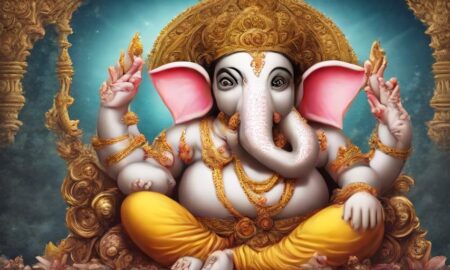
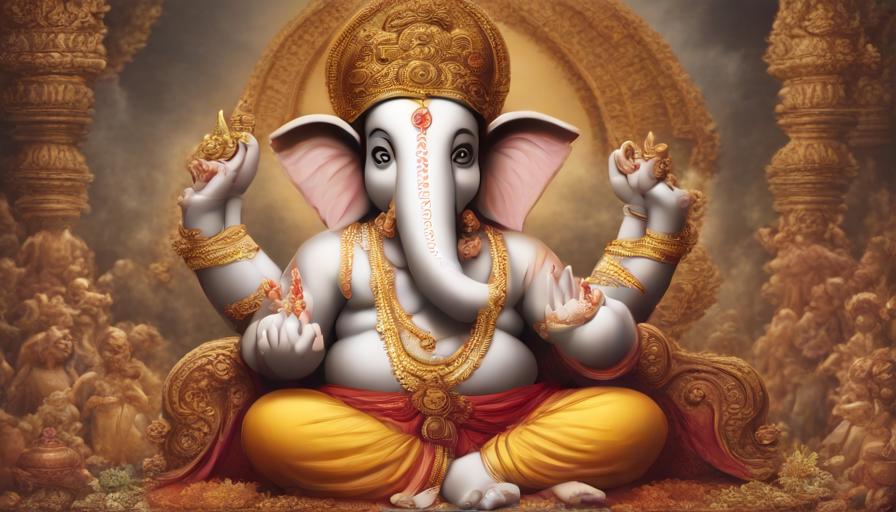
- Ganesh Chaturthi is a 10-day Hindu festival marking the birth of Lord Ganesha, starting on Bhadrapada Shukla Chaturthi and ending on Anant Chaturdashi.
- Freedom fighter Lokmanya Bal Gangadhar Tilak transformed the festival into a public community event in Maharashtra in 1893 to encourage national unity against British rule.
- The festival includes four primary ritual stages: Prana Pratishtha, Shodashopachara daily worship, Uttarpuja, and final Visarjan (water immersion).
- Modak, a steamed rice dumpling filled with coconut and jaggery, is the principal sweet offering made to Lord Ganesha, usually offered in sets of 21.
- Modern celebrations increasingly emphasize eco-friendly practices using natural clay (shaddu mati) idols and artificial immersion tanks to reduce environmental impact.
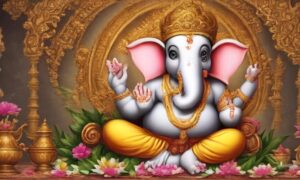
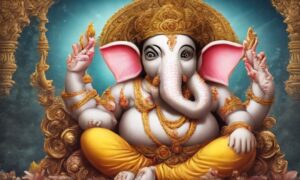
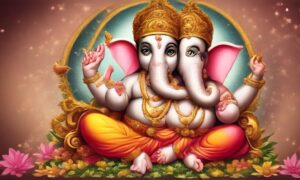
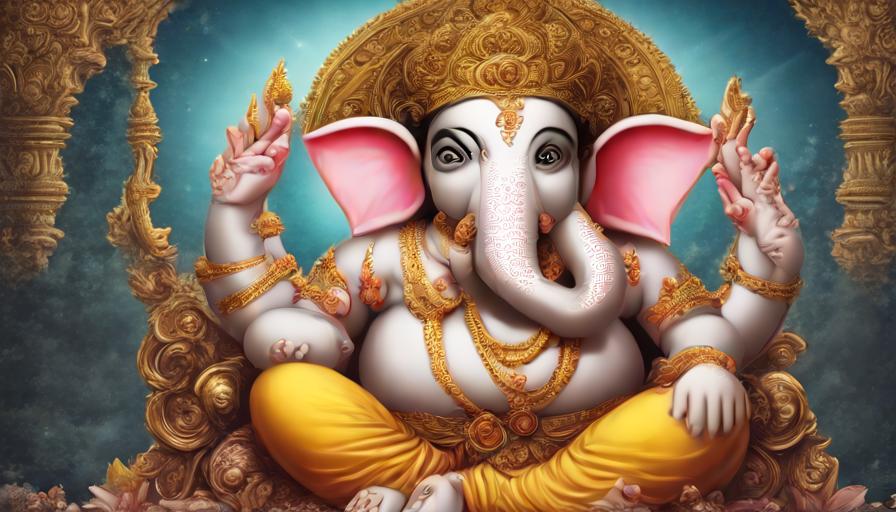
Ganesh Chaturthi, also known as Vinayaka Chaturthi, is a major 10-day Hindu festival that celebrates the birth of the elephant-headed deity Lord Ganesha, the god of wisdom, prosperity, and new beginnings. It falls annually during the Hindu lunar calendar month of Bhadrapada (typically August or September in the Gregorian calendar), starting on the fourth day of the waxing moon phase (Shukla Chaturthi). The festival culminates on Anant Chaturdashi with the ritual immersion of Ganesha idols into water bodies across India and globally.
What is the History and Significance of Ganesh Chaturthi?
Ganesh Chaturthi honors Lord Ganesha, who is revered in Hindu tradition as the supreme remover of obstacles (Vighnaharta) and the deity worshipped first before any new venture or sacred ceremony. According to Hindu mythology, Goddess Parvati created Ganesha from clay turmeric paste and imparted life into him. When Ganesha defended his mother’s privacy against Lord Shiva, Shiva decapitated him in anger, later restoring his life by bestowing upon him the head of a divine elephant.
While home worship of Ganesha dates back centuries, the modern public observance was transformed in 1893 by the Indian freedom fighter Lokmanya Bal Gangadhar Tilak in Maharashtra. Tilak converted the private household ritual into a grand public event (Sarvajanik Ganeshotsav) to bypass British colonial restrictions on political gatherings, uniting people across different social classes and castes to foster national solidarity.
What are the Four Main Rituals of Ganesh Chaturthi?
The 10-day celebration consists of four core ritualistic phases performed by priests and devotees to invoke, honor, and farewell Lord Ganesha:
- Prana Pratishtha: The initial consecration ceremony where sacred Vedic mantras are recited to invoke the divine life force into the clay idol.
- Shodashopachara: A 16-step daily worship ritual offering 21 modaks, red hibiscus flowers, durva grass blades, sandalwood paste, and incense to the deity.
- Uttarpuja: A farewell prayer ritual conducted on the final day, expressing gratitude to the deity before relocation.
- Ganesh Visarjan: The final immersion of the idol into a river, lake, or ocean on Anant Chaturdashi, symbolizing Ganesha’s return to Mount Kailash.
The table below summarizes the key milestones during the 10-day festival timeline:
| Festival Phase | Timing | Key Activity |
|---|---|---|
| Ganesh Chaturthi (Day 1) | Shukla Chaturthi | Idol installation and Prana Pratishtha ritual |
| Mid-Festival (Days 2–9) | Bhadrapada Waxing Moon | Daily morning and evening Aarti, cultural programs |
| Gauri Visarjan (Day 3 or 5) | Regional variance | Immersion of Goddess Gauri idols in specific traditions |
| Anant Chaturdashi (Day 10) | 14th lunar day | Grand processions and final Ganesh Visarjan |
What Traditional Foods are Prepared During the Festival?
Food offerings, known as Prasad or Bhog, play a central role in Ganesh Chaturthi celebrations. Lord Ganesha is traditionally associated with a fondness for sweet dishes, particularly modak, a steamed or fried rice-flour dumpling filled with fresh grated coconut and jaggery. Devotees traditionally offer 21 modaks during main worship ceremonies.
Other signature culinary offerings prepared during the 10-day festival include:
- Puran Poli: A sweet flatbread stuffed with cooked split Bengal gram (chana dal) and jaggery, popular across Maharashtra.
- Motichoor Ladoo: Sweet round balls made from tiny fried chickpea flour droplets soaked in sugar syrup.
- Sundal: A savory South Indian dish prepared from boiled legumes tempered with mustard seeds, curry leaves, and coconut.
- Karanji or Nevri: A crescent-shaped fried pastry filled with sweet dried coconut, sesame seeds, and nuts.
Why is Ganesh Visarjan Performed in Water?
Ganesh Visarjan takes place on the tenth day, Anant Chaturdashi. Devotees carry idols in public processions accompanied by drum performances (dhol-tasha), dancing, and chants of “Ganapati Bappa Morya, Pudhchya Varshi Lavkar Ya” (O Lord Ganesha, return early next year).
The immersion carries profound philosophical meaning in Hindu philosophy, representing the cycle of creation, life, and dissolution (Samsara). The clay idol, crafted from earth, dissolves back into water, returning to the cosmic elements. This ritual serves as a reminder that physical form is temporary, whereas the supreme divine consciousness is eternal.
How Have Eco-Friendly Celebrations Evolved?
In recent years, environmental concerns have reshaped Visarjan practices. Traditional idols made from Plaster of Paris (PoP) and painted with synthetic chemical dyes do not dissolve easily and pollute aquatic ecosystems. Today, state governments and environmental groups actively advocate eco-friendly clay idols (made from natural shaddu mati) embedded with seeds. These idols dissolve safely in home water buckets, allowing the clay to nurture plants and reduce environmental impact.
Where is Ganesh Chaturthi Celebrated Worldwide?
While Maharashtra remains the epicenter of large-scale public pandals, Ganesh Chaturthi is celebrated with enthusiasm across India, including Goa, Karnataka, Telangana, Andhra Pradesh, and Tamil Nadu. Global Indian diaspora communities in the United Kingdom, United States, Canada, Australia, and Mauritius also hold public celebrations, ensuring the festival’s rich traditions endure across international borders.
{
“additional_html”: “
What Cultural and Community Activities Take Place During the Festival?
Beyond private household prayers, Ganesh Chaturthi is famous for its vibrant community celebrations organized by Sarvajanik Ganeshotsav Mandals. These community committees erect elaborate temporary stages known as pandals, which house magnificent, giant G
Frequently Asked Questions
When does Ganesh Chaturthi occur in the calendar?
Ganesh Chaturthi occurs annually in August or September, starting on the fourth day (Chaturthi) of the waxing moon phase in the Hindu lunar month of Bhadrapada. The 10-day festival ends on Anant Chaturdashi. Exact dates vary yearly on the Gregorian calendar due to lunar cycles.
Why is modak offered to Lord Ganesha?
Modak is considered Lord Ganesha's favorite sweet, earning him the title Modakapriya in ancient texts. Mythology states that a sweet modak given by Goddess Anusuya satisfied Ganesha's hunger when nothing else could. Offering 21 modaks during rituals symbolizes devotion, joy, and spiritual sweetness.
What is the historical reason behind public Ganeshotsav celebrations?
Freedom fighter Lokmanya Bal Gangadhar Tilak transformed Ganesh Chaturthi into a public festival in Maharashtra in 1893. He used large public pandals and gatherings to bypass British colonial bans on political assemblies, uniting people across different social strata and castes during India's independence movement.
How can you celebrate Ganesh Chaturthi in an eco-friendly way?
To celebrate eco-friendly Ganesh Chaturthi, choose unpainted clay (shaddu mati) idols or seed idols that grow into plants. Use natural flower decorations instead of plastic, avoid synthetic dyes, and perform the immersion (Visarjan) at home in a water bucket or in eco-friendly municipal immersion tanks.