- The Ramayana is an ancient Indian Sanskrit epic composed by Valmiki around the 5th–4th century BCE, consisting of 24,000 verses across seven books (Kandas).
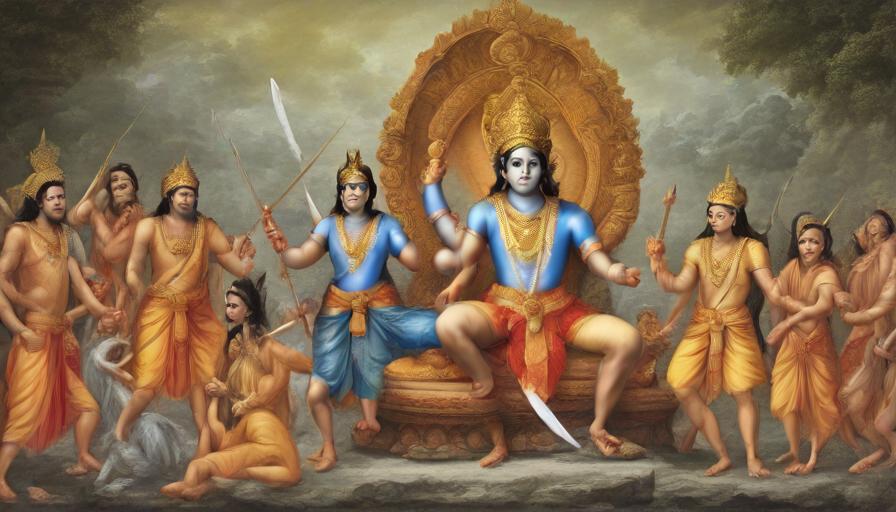
- The narrative follows Prince Rama's life, his 14-year exile, the kidnapping of his wife Sita by Ravana, and the eventual triumph of dharma.
- Major regional adaptations include Tulsidas's 16th-century Ramcharitmanas in North India, Cambodia's Reamker, and Thailand's Ramakien.
- In 2008, UNESCO inscribed Ramlila, the traditional dramatic re-enactment of the Ramayana, on the Representative List of the Intangible Cultural Heritage of Humanity.
The Ramayana is an ancient Indian epic composed in Sanskrit by the sage Valmiki, consisting of 24,000 verses organized into seven books (Kandas). It narrates the life of Prince Rama of Ayodhya, detailing his 14-year exile, the abduction of his wife Sita by the demon king Ravana, and Rama’s ultimate victory to restore dharma (cosmic order). As a foundational text of Hinduism and South Asian culture, the Ramayana explores duty, morality, devotion, and ideal human conduct.
What is the Ramayana and Who Wrote It?
Attributed to the ancient sage Valmiki—traditionally honored as the Adi Kavi (the first poet)—the Ramayana was originally composed in Sanskrit between the 5th and 4th centuries BCE. Over centuries, the text was preserved through oral tradition before being codified into written script. Composed of approximately 24,000 verses (slokas), the text serves as both a central epic of South Asia and a primary text of Hindu philosophy.
What Are the Seven Kandas (Books) of the Ramayana?
The narrative is structured into seven distinct books, known as Kandas, which chronicle Rama’s life journey in chronological sequence:
- Bala Kanda (Book of Youth): Covers Rama’s birth in Ayodhya, his youth, spiritual education under Sage Vishwamitra, the breaking of Shiva’s bow, and his marriage to Sita.
- Ayodhya Kanda (Book of Ayodhya): Details the royal succession crisis, Queen Kaikeyi’s request for two boons, and Rama’s voluntary 14-year banishment into the forest.
- Aranya Kanda (Book of the Forest): Recounts the peaceful forest life of Rama, Sita, and Lakshmana, encounters with sages, and Sita’s tragic abduction by King Ravana.
- Kishkindha Kanda (Book of the Monkey Kingdom): Highlights Rama’s strategic alliance with Sugriva and the mobilization of the Vanara army, introducing Hanuman’s leadership.
- Sundara Kanda (Book of Beauty): Celebrates Hanuman’s heroic leap across the ocean to Lanka, his meeting with Sita in Ashoka Vatika, and his return with news.
- Yuddha Kanda (Book of War): Describes the building of Rama Setu, the massive military campaign in Lanka, the defeat of Ravana, and Rama’s reunion with Sita.
- Uttara Kanda (Epilogue): Examines Rama’s return to Ayodhya, his royal coronation, Sita’s second exile, and the rise of their sons, Lava and Kusha.
Who Are the Main Characters in the Ramayana?
Understanding the epic requires familiarity with its central figures, each personifying specific moral ideals or destructive human flaws:
| Character | Role / Identity | Key Virtue / Attribute |
|---|---|---|
| Rama | Seventh avatar of Vishnu; Prince of Ayodhya | Dharma, moral righteousness, ideal king |
| Sita | Avatar of Goddess Lakshmi; Princess of Mithila | Purity, loyalty, spiritual resilience |
| Lakshmana | Loyal brother of Rama who joined his exile | Unwavering devotion, protective courage |
| Hanuman | Divine Vanara leader and Rama’s chief devotee | Selfless devotion (bhakti), strength, humility |
| Ravana | Ten-headed King of Lanka and scholar | Arrogance, unchecked power, moral hubris |
Why is the Ramayana Important in World Culture?
The influence of the Ramayana extends well beyond India across South and Southeast Asia. Historical trade routes, diplomatic exchanges, and localized literary translations allowed the epic to adapt to diverse regional cultures over two millennia.
What Are the Major Regional Versions of the Ramayana?
While Valmiki’s Sanskrit original is foundational, major localized adaptations reflect regional artistic and religious traditions:
- Ramcharitmanas: Composed in the 16th century by Tulsidas in Awadhi, transforming the epic into an accessible devotional text across Northern India.
- Kamba Ramayanam: Written by the poet Kamban in Tamil during the 12th century, acclaimed for its rich poetic imagery and spiritual nuances.
- Reamker: Cambodia’s epic adaptation that blends Hindu narrative with Buddhist philosophy, shaping traditional Cambodian dance drama.
- Ramakien: Thailand’s national epic, deeply embedded in royal court etiquette, classical art, murals, and shadow puppet plays.
- Kakawin Ramayana: A 9th-century Javanese poem from Indonesia, illustrating the historic cultural influence of the text in Maritime Southeast Asia.
What Core Themes and Values Does the Ramayana Teach?
The Ramayana operates as both a literary masterpiece and an ethical compass. Its overarching narrative explores dharma—a fundamental Sanskrit concept defining moral duty, righteousness, cosmic order, and personal ethics.
How Does the Text Define Righteousness and Duty?
Key characters continuously confront moral dilemmas where personal desire must yield to societal duty:
- Filial Piety: Rama honors his father King Dasharatha’s word without hesitation, accepting banishment to uphold royal truthfulness.
- Righteous Governance: Prince Rama embodies Rama Rajya—an ideal state characterized by justice, peace, economic stability, and civic duty.
- Unconditional Devotion: Hanuman demonstrates bhakti, establishing that true strength comes from humility and dedicated service to a higher purpose.
- Consequences of Ego: Ravana’s tragic end shows that great intellect and power lead to destruction when unguided by ethical restraints.
What Is the Historical Context and Modern Relevance of the Ramayana?
Literary scholars date the oral origins of the Ramayana narrative between the 7th and 4th centuries BCE, with written codification occurring across subsequent centuries. Geographical analysis shows that key settings in the text—such as Ayodhya, Janakpur (Nepal), Chitrakoot, and Rameshwaram—correlate with actual ancient cultural centers along the Indian subcontinent.
Today, the Ramayana remains an active, living tradition across the world:
- Ramlila: Annual theatrical enactments performed during Navratri, recognized in 2008 by UNESCO as Intangible Cultural Heritage of Humanity.
- Diwali: The global festival of lights, celebrating the joyous return of Rama and Sita to Ayodhya after 14 years of exile.
- Contemporary Adaptations: Modern television series, animated films, novels, and digital media continue to reframe the epic for modern generations.
Frequently Asked Questions
Who wrote the original Ramayana?
Sage Valmiki composed the original Ramayana in Sanskrit, earning him the title Adi Kavi (the first poet). Formulated between the 5th and 4th centuries BCE, his text comprises 24,000 verses divided into seven Kandas, establishing the baseline story for subsequent versions throughout South Asia.
What is the primary moral lesson of the Ramayana?
The core lesson of the Ramayana centers on dharma, which emphasizes moral duty, righteousness, and self-discipline. It illustrates that individuals must uphold truth and ethics over ego, personal desire, or immediate convenience, as demonstrated by Rama's adherence to royal and filial duties.
How long was Rama exiled, and why?
Prince Rama was banished into forest exile for 14 years. His exile was mandated by his father, King Dasharatha, who was bound by ancient promises to Queen Kaikeyi. Kaikeyi demanded Rama's exile to secure the throne of Ayodhya for her own son, Bharata.
What is the connection between the Ramayana and Diwali?
Diwali celebrates the triumphant return of Rama, Sita, and Lakshmana to Ayodhya following their 14-year exile and the defeat of Ravana. According to tradition, the residents of Ayodhya illuminated the entire city with clay oil lamps (diyas) to guide and welcome them home.