- Samsung Electronics generated 258.94 trillion KRW (~$198B USD) in revenue in 2023, driving approximately 20% of South Korea's total exports.
- Samsung has been the world's largest manufacturer of DRAM memory chips since 1992, NAND flash memory since 2003, and televisions since 2006.
- With over 220 million units shipped annually, Samsung's Galaxy line is the world's highest-volume Android smartphone brand.
- In 2024, Samsung introduced Galaxy AI features and committed $230 billion through 2042 to build a semiconductor mega-cluster in Yongin, South Korea.
Samsung is a South Korean multinational conglomerate headquartered in Suwon, South Korea, and is the world’s leading manufacturer of smartphones, memory chips, and televisions. Through its flagship business, Samsung Electronics, the firm drove over $198 billion in annual revenue in 2023 and accounts for roughly 20 percent of South Korea’s total national exports. The company dominates global tech markets through key innovations in Dynamic Random-Access Memory (DRAM), organic light-emitting diode (OLED) displays, and its flagship Android-powered Galaxy smartphone brand.
What Is Samsung and How Is the Company Structured?
Founded by Lee Byung-chull in 1938 as a regional trading business, Samsung transitioned into the electronics sector in 1969 through the establishment of Samsung Electronics. Headquartered at Samsung Digital City in Suwon, the broader Samsung Group operates across multiple economic sectors, including Samsung SDI (lithium-ion batteries), Samsung C&T (engineering and construction), and Samsung Biologics (pharmaceutical manufacturing). However, Samsung Electronics functions as the economic engine of the conglomerate.
Samsung Electronics structures its core business into three main divisions: Mobile eXperience (MX), which handles mobile communications and personal devices; Device Solutions (DS), which oversees semiconductor foundries and memory chip manufacturing; and Visual Display and Digital Appliances (VD/DA), which manufactures televisions and home appliances. In the fiscal year 2023, Samsung Electronics reported consolidated revenues of 258.94 trillion South Korean Won (KRW), maintaining its position as one of the top tech companies globally by revenue.
What Key Tech Products Does Samsung Manufacture?
Samsung maintains market-leading positions across several distinct hardware categories, relying on vertical integration to produce components internally for its finished goods.
Smartphones and Mobile Hardware: The Galaxy Ecosystem
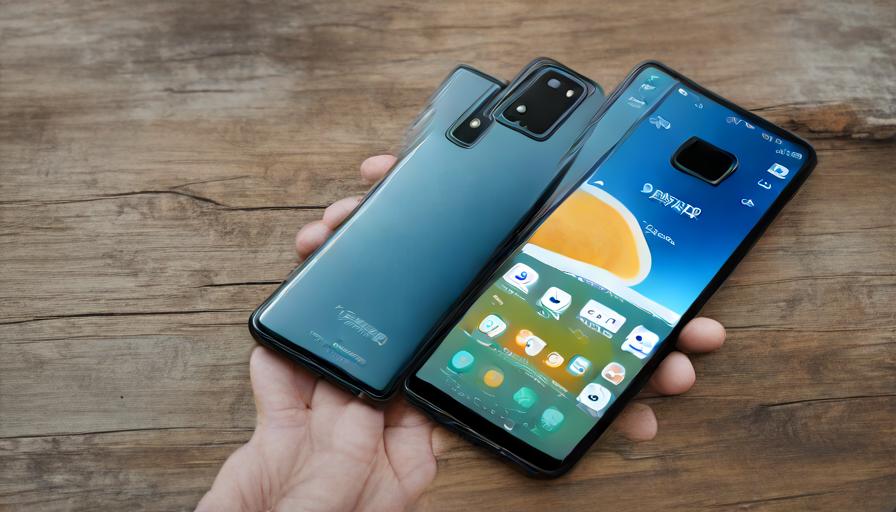
Launched in 2009, Samsung’s Galaxy line is the most popular Android smartphone brand globally. According to market research from International Data Corporation (IDC), Samsung delivers over 220 million smartphones annually, representing roughly one-fifth of global handset shipments. The lineup is divided into three primary categories:
- Galaxy S Series: Premium flagship devices featuring advanced camera hardware, dynamic high-refresh-rate displays, and Qualcomm Snapdragon or Exynos processors.
- Galaxy Z Series: Market-defining foldable devices, including the clamshell Z Flip and productivity-focused Z Fold, featuring flexible ultra-thin glass (UTG).
- Galaxy A Series: Mid-range and entry-level mobile devices engineered to deliver key features like 5G connectivity and multi-day battery life at competitive price points.
The Galaxy ecosystem also encompasses mobile wearables, including the Wear OS-powered Galaxy Watch series, Galaxy Buds wireless earbuds, and Galaxy Tab tablets running Samsung’s customized One UI overlay built on Android.
Semiconductors and Memory Components
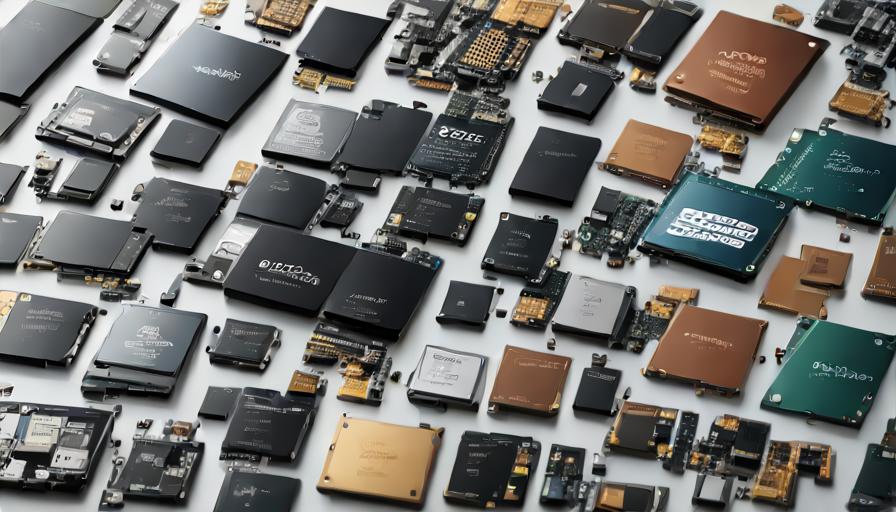
The Device Solutions (DS) division is a fundamental pillar of global computing infrastructure. Samsung has maintained its position as the world’s largest supplier of DRAM (Dynamic Random-Access Memory) since 1992 and NAND flash memory chips since 2003. These components are critical for consumer computing, smartphone storage, enterprise servers, and artificial intelligence data centers.
Additionally, Samsung Foundry fabricates microchips using advanced Extreme Ultraviolet (EUV) lithography down to 3-nanometer Gate-All-Around (GAA) processor architectures. Samsung also produces custom mobile system-on-chips under the Exynos brand and ISOCELL image sensors used in smartphone cameras worldwide.
Displays and Consumer Home Appliances
Samsung Visual Display has held the position of top global television manufacturer for 18 consecutive years, from 2006 through 2023. The brand leads the market with Quantum Dot Light-Emitting Diode (QLED), Neo QLED (Mini-LED), and QD-OLED televisions, running the proprietary Linux-based Tizen operating system. Concurrently, Samsung Display produces small-to-medium AMOLED panels, supplying display panels to rival mobile manufacturers, including Apple.
In home appliances, Samsung produces SmartThings-enabled smart home devices, including Bespoke line customizable refrigerators, front-load laundry systems, and robot vacuum cleaners integrated with IoT connectivity.
How Does Samsung Compare to Its Main Competitors?
Unlike competitors that rely solely on third-party manufacturing, Samsung operates as both a major component supplier and a direct consumer hardware brand. This vertical integration allows Samsung to control costs and rapidly implement new component technologies.
| Market Segment | Samsung Offering | Primary Competitors | Key Market Advantage |
|---|---|---|---|
| Smartphones | Galaxy S, Z Fold/Flip, A-Series | Apple, Xiaomi, Google | Leadership in foldable screens, stylus support, and display panel customization. |
| Memory & Storage | DRAM, NAND Flash, NVMe SSDs | SK Hynix, Micron, Kioxia | Highest global production capacity and long-standing market dominance since 1992. |
| Televisions | Neo QLED, QD-OLED, MicroLED | LG Electronics, Sony, TCL | #1 market share globally for 18 straight years powered by Tizen OS software. |
| Foundry Services | 3nm GAA Lithography, Chiplet Packaging | TSMC, Intel Foundry | Pioneered Gate-All-Around (GAA) transistor architecture for efficient power delivery. |
What Is Galaxy AI and What Is Samsung’s Future Strategy?
In January 2024, Samsung debuted Galaxy AI alongside the Galaxy S24 smartphone series, signaling a shift toward embedded generative artificial intelligence. Developed using a hybrid on-device and cloud framework in collaboration with partners like Google, Galaxy AI powers real-time voice call translation, generative photo manipulation, writing tools, and “Circle to Search” visual identification tools.
Looking ahead, Samsung is directing substantial capital toward semiconductor infrastructure to support AI development. Samsung is mass-producing High Bandwidth Memory (HBM3e and HBM4) chips designed specifically for AI graphic processing units (GPUs). Furthermore, Samsung has committed $230 billion toward establishing a mega semiconductor cluster in Yongin, South Korea, slated for completion through 2042, aiming to establish undisputed global semiconductor leadership.
Frequently Asked Questions
Is Samsung a South Korean company?
Yes, Samsung is a South Korean multinational conglomerate headquartered in Suwon, South Korea. Its primary technology business, Samsung Electronics, was founded in 1969 and constitutes a significant portion of South Korea's gross domestic product and export economy.
What operating system do Samsung Galaxy phones run?
Samsung Galaxy smartphones run on Google's Android operating system, enhanced with Samsung's proprietary One UI user interface. One UI adds custom design elements, multitasking features, and deep integration with the SmartThings smart home ecosystem.
Does Samsung make chips for other tech companies?
Yes, through its Device Solutions division and Samsung Foundry, Samsung manufactures DRAM chips, NAND flash storage, AMOLED displays, and logic processors for third-party companies, including major automotive makers, server centers, and rival hardware brands.
What is the difference between Samsung QLED and OLED TVs?
Samsung QLED (Quantum Dot LED) uses a backlight combined with quantum dot filters for exceptional brightness and color range. Samsung QD-OLED uses self-illuminating pixels for pitch-black contrast and high dynamic range without requiring a traditional backlight.