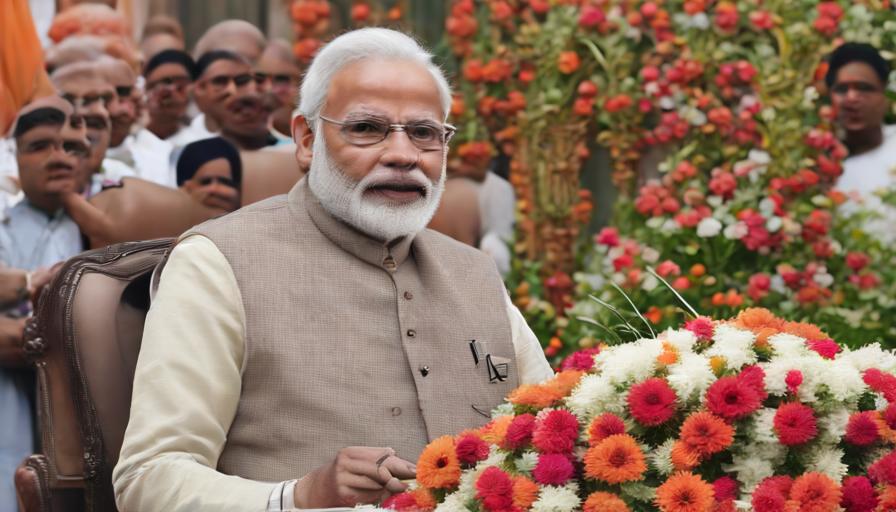
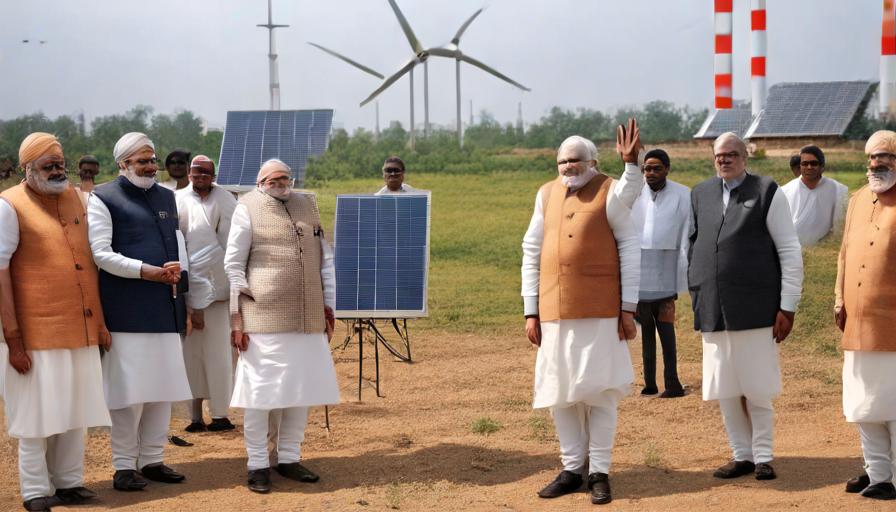
- #AvaadaWishesModiji is a digital campaign by Avaada Group demonstrating private-sector alignment with Prime Minister Modi's climate vision.
- Avaada Group manages an 11 GW+ renewable energy portfolio and has committed $10 billion to green hydrogen hubs in Rajasthan and Odisha.
- The campaign draws upon India's Panchamrit climate goals, including achieving 500 GW of non-fossil fuel capacity by 2030.
- Avaada operates a 3 GW solar cell and module production plant in Greater Noida to boost domestic solar manufacturing under PLI initiatives.
#AvaadaWishesModiji is a public digital campaign created by Avaada Group, a major Indian clean energy company, to demonstrate alignment between private sector renewable infrastructure investments and Prime Minister Narendra Modi’s environmental directives. The campaign highlights India’s rapid energy transition, specifically emphasizing national climate goals such as reaching 500 gigawatts (GW) of non-fossil fuel capacity by 2030. Through this initiative, Avaada showcases its corporate contributions to solar manufacturing, green hydrogen, and sustainable power generation that support India’s net-zero targets.
What is the significance of the #AvaadaWishesModiji campaign?
The #AvaadaWishesModiji campaign serves as a public endorsement of India’s green growth trajectory under Prime Minister Narendra Modi. Spearheaded by Avaada Group’s Chairman Vineet Mittal, the digital outreach campaign highlights how supportive central government policies have helped transform India into the world’s fourth-largest market for installed renewable energy capacity. Avaada utilizes this campaign during key national occasions, such as Prime Minister Modi’s birthday on September 17 and global climate summits, to report progress on decarbonization initiatives. Beyond digital greetings, the movement underscores tangible economic investments, including multi-billion-dollar clean energy projects across states like Rajasthan, Uttar Pradesh, Odisha, and Maharashtra. Through corporate social responsibility (CSR) programs and community-level solar installations, Avaada also supports sustainable rural development alongside grid-scale generation.
How does Avaada Group support India’s renewable energy targets?
Avaada Group actively supports India’s national climate agenda through large-scale capital deployment and renewable infrastructure development. The organization maintains an operating and pipeline solar energy portfolio exceeding 11 GW, supplying clean power to state utilities and commercial consumers across the nation. Furthermore, Avaada established a 3 GW integrated solar cell and module manufacturing facility in Greater Noida, directly supporting the Indian government’s Production Linked Incentive (PLI) scheme for domestic high-efficiency manufacturing. In line with the National Green Hydrogen Mission, Avaada committed approximately $10 billion (₹80,000 crore) toward building green hydrogen and green ammonia production facilities in Odisha and Rajasthan. These plants aim to produce millions of tons of zero-emission industrial fuels, significantly lowering national fossil fuel imports.
Key Milestones in India’s Clean Energy Transition Under PM Modi
To understand the policy environment celebrated by the #AvaadaWishesModiji initiative, it is helpful to examine how national policy milestones directly align with corporate renewable energy developments across India:
| Year | National Policy Goal | Avaada Group Strategic Contribution |
|---|---|---|
| 2021 | Panchamrit commitments introduced at COP26 in Glasgow | Expanded utility-scale operational solar capacity beyond 4 GW across multiple Indian states. |
| 2023 | National Green Hydrogen Mission launched with ₹19,744 crore outlay | Pledged $10 billion to develop green hydrogen and green ammonia export hubs in Odisha and Rajasthan. |
| 2024 | PM-Surya Ghar: Muft Bijli Yojana launched for rooftop solar adoption | Expanded domestic solar module production lines at the Greater Noida manufacturing facility. |
| 2030 | Target of 500 GW non-fossil fuel installed power capacity | Targeting an expanded operational clean energy generation portfolio of 30 GW by 2030. |
What is Prime Minister Modi’s Panchamrit climate framework?
The central theme of the #AvaadaWishesModiji movement draws directly from the “Panchamrit” climate action strategy announced by Prime Minister Narendra Modi at the COP26 climate summit in Glasgow in November 2021. The Panchamrit framework outlines five key pledges that define India’s energy transformation strategy:
- Reach 500 GW of non-fossil energy capacity by the year 2030.
- Fulfill 50% of India’s cumulative electric power installed capacity from renewable energy resources by 2030.
- Reduce total projected carbon emissions by 1 billion tonnes between 2021 and 2030.
- Decrease the carbon intensity of the national economy by more than 45% by 2030 relative to 2005 levels.
- Achieve the overarching national target of net-zero carbon emissions by 2070.
Avaada Group incorporates these five national milestones directly into its corporate roadmap, serving as an executive partner in fulfilling India’s international climate commitments.
How does public-private alignment drive the green hydrogen ecosystem?
Public-private synergy is essential for scaling emerging decarbonization technologies such as green hydrogen and green ammonia. Campaigns like #AvaadaWishesModiji emphasize how regulatory clarity and long-term policy incentives attract global financial backing. For example, international investment firm Brookfield invested $1 billion in Avaada Energy in 2023, reflecting global investor confidence in India’s renewable policies. By establishing dedicated green hydrogen production hubs along India’s coastal corridors, private developers can supply decarbonized fuel to heavy industries like steel, fertilizer manufacturing, and shipping. These private investments fund electrolyzer plants, mega solar parks, and export infrastructure, assisting India’s evolution into a global clean energy hub.
What is the future outlook for Avaada Group and India’s clean energy sector?
The campaign reflects a broader long-term shift across India’s power infrastructure. With the Central Electricity Authority (CEA) projecting national peak power demand to reach 366 GW by 2032, integrating round-the-clock (RTC) renewable energy and battery energy storage systems (BESS) is increasingly necessary. Avaada Group is expanding its operations to include wind-solar hybrid installations and localized equipment supply chains. By aligning corporate growth with national sustainability policies, Avaada aims to achieve 30 GW of capacity by 2030, contributing directly to green job creation, industrial decarbonization, and long-term energy independence. This comprehensive strategy ensures that India not only meets its domestic electrification needs but also strengthens its position as a competitive exporter of clean technology products worldwide.
Frequently Asked Questions
What is #AvaadaWishesModiji?
#AvaadaWishesModiji is a digital corporate campaign launched by Avaada Group, a leading Indian clean energy developer. The campaign highlights private-sector support for Prime Minister Narendra Modi's climate policies and showcases progress toward national renewable energy targets like achieving 500 GW of non-fossil capacity by 2030.
What is Avaada Group's target for renewable energy capacity?
Avaada Group currently manages over 11 GW in operational and pipeline solar projects across India. The company targets expanding its total operational clean energy generation portfolio to 30 GW by 2030 to support India's Panchamrit decarbonization roadmap.
How much is Avaada investing in green hydrogen projects?
Avaada Group committed $10 billion (approximately ₹80,000 crore) to establish green hydrogen and green ammonia production facilities in Odisha and Rajasthan, supporting the National Green Hydrogen Mission's goal of decarbonizing heavy industries and fuel exports.
What are Prime Minister Modi's Panchamrit climate goals?
Announced at COP26 in 2021, India's Panchamrit strategy includes reaching 500 GW non-fossil capacity by 2030, sourcing 50% of electric power from renewables by 2030, cutting projected carbon emissions by 1 billion tonnes by 2030, reducing carbon intensity by 45%, and achieving net-zero emissions by 2070.