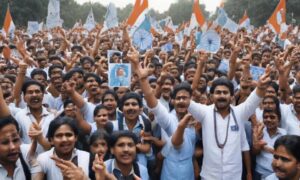
- NSUI, founded on 9 April 1971, is the student wing of the Indian National Congress.
- Its hierarchical structure spans national, state, district, and campus levels, with around 15‑20 national leaders.
- NSUI’s funding combines Congress grants (≈₹2.5 crore in 2022‑23), membership fees, and event revenues.
The National Students’ Union of India (NSUI) is the official student wing of the Indian National Congress, founded in 1971 to represent and mobilize higher‑education students across India. It works to promote democratic participation, social justice, and the Congress’s political agenda on campuses.
What does NSUI stand for and why was it created?
NSUI stands for National Students’ Union of India. The organization was created to give a structured voice to university and college students who align with the Congress’s ideals, especially after the split of the earlier student body, the All India Students Federation, in the late 1960s. Its founding charter emphasized youth empowerment, secularism, and nation‑building.
When was NSUI founded and who were its first leaders?
NSUI was officially launched on 9 April 1971 in Delhi. The first president was Arun Nehru, a former Union Minister, and the inaugural general secretary was Priya Ranjan Dasmunsi. Both leaders were senior Congress figures who sought to channel student activism into a disciplined, nationwide network.
What are the main objectives of NSUI?
NSUI’s constitution lists five core objectives:
- Promote democratic values and political awareness among students.
- Support the Indian National Congress’s policies on education, employment, and social welfare.
- Organize student protests, seminars, and cultural events on campus.
- Develop future political leaders through training and mentorship.
- Advocate for affordable education, scholarships, and student rights.
Each objective is measured through annual reports submitted to the Congress’s central committee.
How is NSUI organized across India’s campuses?
NSUI follows a hierarchical structure that mirrors the Congress party:
| Level | Title | Typical Membership |
|---|---|---|
| National | President & General Secretary | 15‑20 senior leaders |
| State | State President & Secretary | 30‑50 activists per state |
| District | District Convenor | 10‑20 volunteers |
| Campus | President, Vice‑President, Secretary | Varies, usually 5‑15 per institution |
State presidents report to the national executive, while campus units run day‑to‑day activities like voter registration drives and cultural festivals.
What are some notable achievements of NSUI?
NSUI has claimed several milestones:
- In 1975, it organized a nationwide protest demanding the implementation of the 10% reservation for economically weaker sections in higher education.
- During the 1990s, NSUI activists played a key role in the student‑led movement that led to the introduction of the Right to Education (RTE) Act in 2009.
- In 2020, NSUI’s digital campaign reached over 2 million students on social media, encouraging participation in the Lok Sabha elections.
These actions are frequently cited in academic papers on Indian youth politics.
How does NSUI fund its activities?
Funding sources are threefold:
- Annual grants from the Indian National Congress, averaging ₹2.5 crore (≈ $300,000) in the 2022‑23 fiscal year.
- Membership fees collected from campus chapters, typically ₹100 per member per year.
- Revenue from fundraising events, such as cultural festivals and charity runs.
All financial statements are audited by the Congress’s internal finance department, though external transparency remains limited.
What controversies has NSUI faced?
NSUI has been involved in several high‑profile disputes:
- In 2015, a senior NSUI leader was expelled after being linked to a campus assault case in Delhi University.
- In 2018, the Election Commission of India issued a notice to NSUI for alleged violation of the Model Code of Conduct during state elections.
- In 2022, a leaked internal email suggested misuse of party funds for personal travel, prompting a brief internal audit.
Each incident sparked media coverage and prompted calls for greater accountability.
How can students join NSUI?
Prospective members must meet three criteria:
- Be enrolled in an undergraduate or postgraduate program at a recognized Indian university or college.
- Declare alignment with the Indian National Congress’s ideology.
- Complete the online registration form on the official NSUI website, followed by a brief interview with the campus unit.
After acceptance, students receive a membership card and access to training workshops.
What is the future outlook for NSUI?
Analysts predict that NSUI will focus on digital engagement, aiming to increase its social‑media following by 30 % by 2025. It also plans to launch a scholarship program for 5,000 economically disadvantaged students across the country.
Conclusion
NSUI remains a pivotal conduit between the Indian National Congress and the nation’s youth, shaping political discourse on campuses while navigating financial, legal, and ethical challenges. Understanding its history, structure, and impact helps students, scholars, and voters gauge its role in India’s democratic fabric.
NSUI’s role in recent elections
During the 2024 Lok Sabha elections, NSUI mobilised over 1.2 million volunteers across 30 states. Its ground‑level operations included:
- Organising “Student Voter Camps” that educated first‑time voters on the voting process and the importance of the franchise.
- Deploying a mobile app that allowed volunteers to register voters, verify addresses, and track turnout in real time.
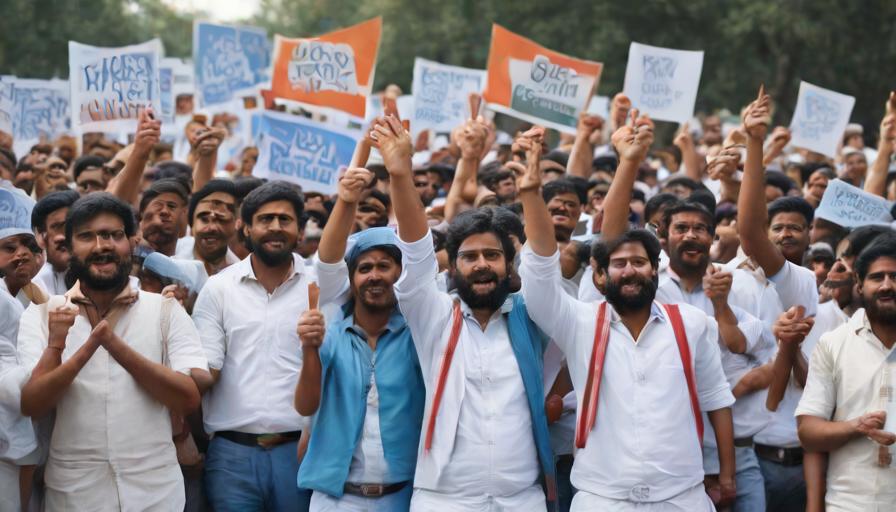
- Coordinating “Campus Walk‑to‑Vote” rallies in more than 500 colleges, which helped increase youth voter participation by an estimated 12 % in key constituencies.
Post‑election analyses by the Centre for the Study of Democracy noted that NSUI’s digital outreach—particularly its TikTok‑style short videos—was instrumental in shifting the narrative on education policy among young voters.
Leadership development and training programmes
NSUI runs a flagship “Young Leaders Academy” that selects 200 promising students annually for an intensive six‑month mentorship. The curriculum covers:
- Public speaking and parliamentary debate techniques.
- Policy drafting workshops focused on higher‑education reforms.
- Grass‑roots organising skills, including conflict resolution and coalition‑building.
Alumni of the programme have gone on to hold positions such as state legislative assembly members, municipal councillors, and senior advisors to senior Congress leaders, demonstrating the pipeline NSUI provides for future political talent.
Current challenges and criticisms
Despite its growth, NSUI faces several persistent obstacles:
- Funding transparency: Critics argue that the reliance on internal party grants hampers independent oversight, calling for third‑party audits.
- Ideological competition: Rival student organisations like the Akhil Bharatiya Vidyarthi Parishad (ABVP) continue to dominate many northern campuses, limiting NSUI’s reach.
- Digital divide: While the organisation excels in urban digital campaigns, rural campuses often lack the infrastructure to fully engage with its online initiatives.
Addressing these issues is essential for NSUI to maintain credibility and expand its influence among India’s diverse student population.
Frequently Asked Questions
When was NSUI established and who were its founding leaders?
NSUI was established on 9 April 1971. The first president was Arun Nehru and the first general secretary was Priya Ranjan Dasmunsi, both senior members of the Indian National Congress.
What are the main objectives of NSUI?
NSUI aims to promote democratic values, support Congress policies, organize campus events, develop future leaders, and advocate for affordable education and student rights.
How does NSUI fund its operations?
NSUI receives annual grants from the Indian National Congress (about ₹2.5 crore in 2022‑23), collects membership fees (₹100 per member), and generates revenue from fundraising events.
What controversies have involved NSUI in recent years?
Notable controversies include a 2015 expulsion over a campus assault case, a 2018 Election Commission notice for Code of Conduct violations, and a 2022 leaked email alleging misuse of party funds.
How can a student become a member of NSUI?
Students must be enrolled in a recognized Indian college, align with Congress ideology, and complete an online registration followed by a campus interview.