- NSUI, founded on 9 April 1971, is the official student wing of the Indian National Congress.
- It operates through a four‑tier hierarchy—national, state, district, and campus—to coordinate activities across more than 600 colleges.
- NSUI’s core functions include contesting student elections, policy advocacy, leadership training, and community service.
The National Students’ Union of India (NSUI) is the student wing of the Indian National Congress, founded on 9 April 1971. It aims to represent student interests, promote democratic values, and nurture future political leaders across Indian colleges and universities.
What is NSUI and why does it matter?
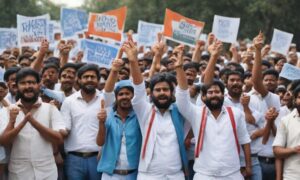
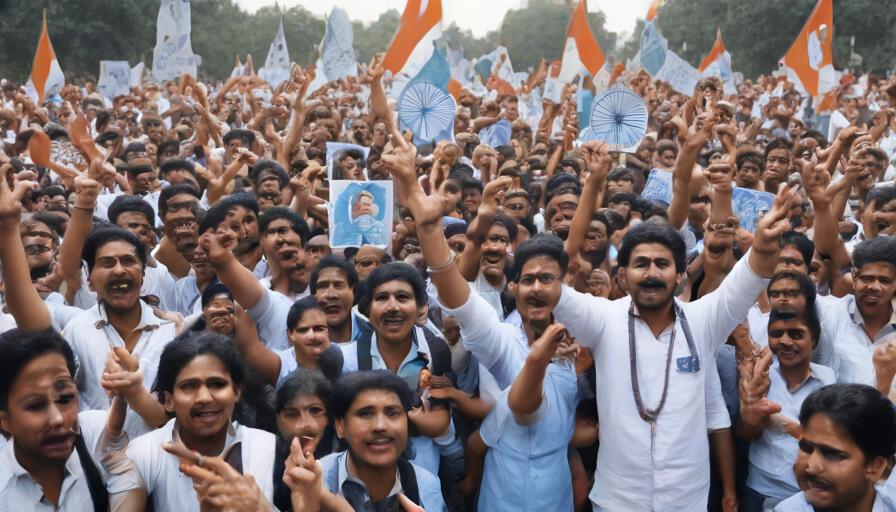
NSUI operates as a national student organization that fields candidates in university elections, organizes campus rallies, and runs policy‑driven campaigns on education, employment, and social justice. By linking young voters to the Congress party, it creates a pipeline of activists who may later assume senior roles in Indian politics.
What is the history of NSUI?
Key milestones since its founding
- 1971 – Established by Indira Gandhi to counter the left‑leaning All India Students Federation.
- 1977 – First major campus victory in the Delhi University Students’ Union elections.
- 1998 – Expanded membership to include technical institutes and polytechnics.
- 2010 – Launched the “Student Leadership Programme” to train 10,000 volunteers nationwide.
- 2022 – Adopted a digital platform for remote campaigning during the COVID‑19 pandemic.
How is NSUI structured?
The organization follows a hierarchical model that mirrors the Congress party:
| Level | Title | Typical Responsibilities |
|---|---|---|
| National | President & General Secretary | Set policy, coordinate state units, represent NSUI at national forums. |
| State | State President | Organize state‑wide campaigns, liaise with university bodies, report to national office. |
| District | District Coordinator | Recruit members, manage local events, prepare candidates for campus elections. |
| Campus | College/University Unit President | Lead campus‑level activities, conduct debates, oversee membership drives. |
What are the core activities of NSUI?
NSUI’s work can be grouped into four pillars:
- Electoral participation: Fields candidates for student union elections in over 600 colleges.
- Policy advocacy: Submits memoranda to the Ministry of Education on fee structures, reservation policies, and campus safety.
- Leadership training: Runs workshops on public speaking, legislative drafting, and digital campaigning.
- Social service: Organizes blood‑donation drives, environmental clean‑ups, and scholarship programs for under‑privileged students.
How does NSUI influence Indian politics?
Many senior Congress leaders began their careers in NSUI, including former Union Ministers P. Chidambaram and Kapil Sibal. By mobilizing student voters, NSUI contributes to the Congress’s vote share in constituencies with large youth populations. Data from the 2019 general election showed a 3.2 % higher Congress vote in districts where NSUI held active campus units.
What controversies has NSUI faced?
NSUI has been criticized for alleged partisanship in university elections and for occasional clashes with rival student groups such as the Akhil Bharatiya Vidyarthi Parishad (ABVP). In 2015, the Supreme Court intervened in a Delhi University case, ordering the university to ensure a level playing field for all student political parties, including NSUI.
How can students join NSUI?
Eligibility criteria are straightforward:
- Be a full‑time undergraduate or postgraduate student in a recognized Indian institution.
- Hold Indian citizenship.
- Agree to the NSUI constitution and pay a nominal annual fee (₹150 as of 2023).
Prospective members can register online via the official NSUI portal or attend a campus‑level recruitment drive. After registration, new members receive a membership ID and access to training modules.
What is the future outlook for NSUI?
With India’s median age at 28, the student demographic remains a critical electoral bloc. NSUI plans to double its digital outreach by 2025, using AI‑driven analytics to target issues that matter most to young voters, such as skill‑based education and climate action. The organization also aims to increase female representation in leadership roles to 40 % by 2027.
Summary
NSUI continues to serve as the bridge between the Indian National Congress and the nation’s student community, blending activism, policy work, and leadership development. Its historical roots, structured hierarchy, and measurable impact on elections make it a unique fixture in Indian democracy.
Frequently Asked Questions
How can I become a member of NSUI?
Students must be enrolled in a recognized Indian college or university, be Indian citizens, and agree to the NSUI constitution. Registration is done online via the NSUI portal or at campus recruitment events, followed by a nominal annual fee of ₹150.
What are the major achievements of NSUI since its inception?
Since 1971, NSUI has secured victories in over 600 campus elections, launched the Student Leadership Programme in 2010 training 10,000 volunteers, and influenced national policy on education and reservation through memoranda submitted to the Ministry of Education.
Does NSUI have any affiliation with other student organizations?
NSUI is affiliated exclusively with the Indian National Congress. It often competes with rival groups like the ABVP in university elections, but collaborates with non‑partisan student bodies on issues such as campus safety and environmental initiatives.
What controversies have affected NSUI’s reputation?
Critics allege partisan bias in campus elections and cite clashes with rival groups. A notable 2015 Supreme Court case mandated Delhi University to ensure a level playing field for all student parties, including NSUI.
What are NSUI’s plans for digital engagement?
NSUI intends to double its digital outreach by 2025, employing AI‑driven analytics to address youth concerns like skill‑based education and climate action, and targeting a 40 % female leadership quota by 2027.