Protests Across Italy Target Government Policies from Roma on Education, Rent, and Rearmament
- Student protests in Udine highlighted grievances over high housing costs ('caro affitti') and military rearmament ('riarmo').
- In Torino, a teacher defended student protesters surrounded by police armored vehicles ('blindati') to prevent violence, stating 'Dovevamo farlo.'
- Hundreds gathered in Padova to protest central government policies regarding public education, healthcare ('sanità'), and the high cost of living ('carovita').
Public demonstrations have erupted across several Italian cities as students, educators, and citizens mobilize against central government policies directed from Roma. Recent marches in Udine, Torino, and Padova highlight growing public frustration over escalating housing costs, military rearmament, underfunded public healthcare, and educational reforms. Protesters across these municipalities are demanding immediate policy adjustments to address the rising cost of living and to safeguard essential public services.
What Are the Primary Reasons for Protests Directed Against Roma Policies?
Demonstrators across northern Italian cities are voicing structured opposition to national economic decisions and government spending choices. Central policy decisions managed in Roma face heightened scrutiny from student organizations and civic groups who contend that domestic social welfare and public education are being deprioritized in favor of defense spending and insufficient local housing subsidies.
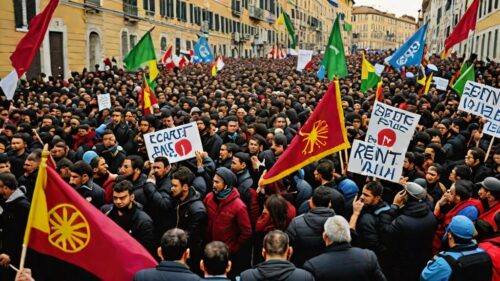
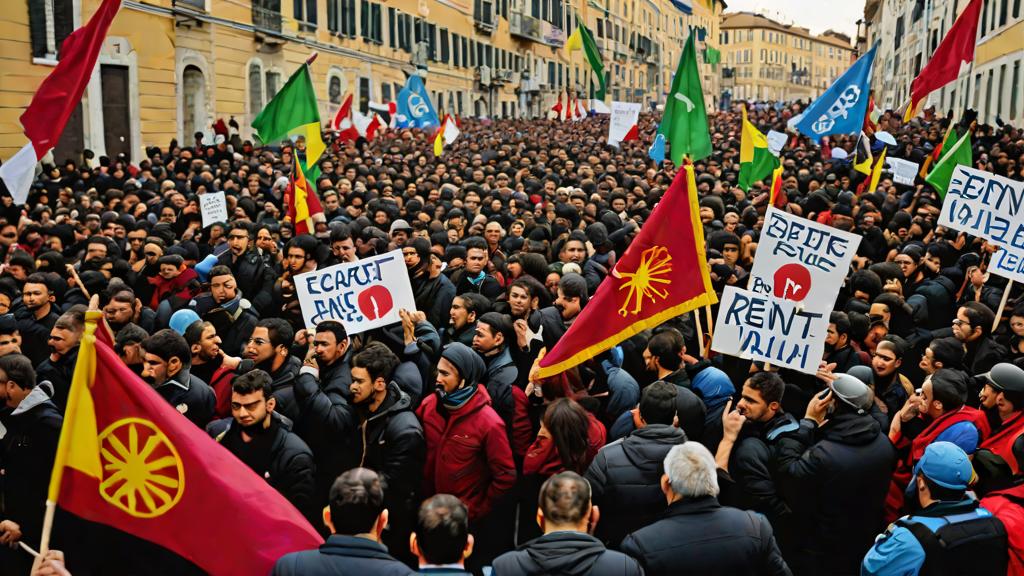
In the city center of Udine, a massive march featuring numerous students took place to protest two interconnected issues: expensive housing rents, locally referred to as “caro affitti,” and state military rearmament policies, known as “riarmo.” Student organizers argued that rapidly increasing rental rates create severe financial barriers for young scholars seeking higher education, while national funding is simultaneously directed toward military expansion rather than student welfare initiatives.
Simultaneously, in Padova, hundreds of residents gathered in the city’s central square to launch a coordinated demonstration against the national government. Protesters focused their critique on three core societal sectors: public school systems, state healthcare funding (“sanità”), and the overall high cost of living (“carovita”). The strong turnout in Padova reflects a broader demographic cross-section of citizens impacted by persistent inflation and budgetary contractions in essential public services.
How Did Incidents Unfold During the Student Demonstrations in Torino?
Tensions surrounding the nationwide mobilization reached a critical juncture during student demonstrations in Torino, where a heavy police presence was deployed to manage the crowd. The deployment of armored law enforcement vehicles, locally known as “blindati,” created an intense and hostile environment, raising serious concern among marchers and community observers regarding the potential for physical conflict.
Amid the standoff between students and police forces in Torino, a local school teacher took decisive action by physically stepping between law enforcement units and the young demonstrators. The teacher explained that her intervention was necessary to protect the students and prevent the situation from deteriorating into what she termed a “macelleria messicana” (a brutal physical clash or slaughter). Defending her decision to step into the line of armored vehicles, she stated plainly, “Dovevamo farlo” (“We had to do it”).
This incident in Torino underscores the growing strain between law enforcement agencies and academic communities during street demonstrations. Educators across multiple districts have increasingly voiced public support for student groups who are actively contesting central policies from Roma while asserting their right to assemble without experiencing excessive force or intimidation.
Overview of Regional Demonstrations and Core Grievances
To provide a clear and organized perspective on the recent demonstrations taking place across various Italian urban centers, the table below outlines the locations, core issues protested, and specific notable events reported by local news outlets:
| Location | Primary Policy Issues Protested | Key Incidents and Direct Statements |
|---|---|---|
| Udine (City Center) | High student housing rent (“caro affitti”) and national military rearmament (“riarmo”) | Large-scale parade of students marching through the downtown center. |
| Torino | Student rights, police presence, central government policy | Teacher protected students among armored vehicles (“blindati”), stating “Dovevamo farlo.” |
| Padova (Main Square) | Public education, healthcare system (“sanità”), high living costs (“carovita”) | Hundreds of citizens gathered in public square against central government actions. |
What Key Issues Are Driving Public Discontent Across Italy?
The current wave of street activism reflects deep-seated concerns regarding economic governance and social policy originating from Roma. Citizens and advocacy coalitions argue that existing legislative priorities fail to mitigate the daily economic burdens placed on working families, university students, and public sector workers.
The primary grievances driving protests across Udine, Torino, and Padova include the following structural concerns:
- Expensive Student Rent (“Caro Affitti”): Rapidly rising prices for private accommodations in university cities create substantial financial barriers for students seeking higher education access.
- Military Rearmament (“Riarmo”): Increasing national budgetary allocations toward defense projects while public services face financial constraints and resource shortages.
- Public Education System: Resource deficits and infrastructure challenges affecting public schools and academic institutions across Italian regions.
- Healthcare System Strains (“Sanità”): Growing concerns over funding shortages and operational challenges within state-funded public health services.
- Escalating Cost of Living (“Carovita”): Broad inflationary trends impacting household expenses, groceries, utilities, and essential everyday items.
How Are Communities and Educators Responding to the Protests?
Community response to the student-led marches has seen noticeable involvement from educators and local advocates who view the protests as a legitimate defense of public resources. The actions of figures like the teacher in Torino illustrate how adult allies are stepping forward to protect youth expression during high-tension civic demonstrations.
In addition to physical presence on the streets, community discussions in cities like Udine and Padova focus on long-term solutions to high rent and public sector underfunding. Local residents and student unions continue to demand that national representatives in Roma address these systemic challenges through policy reforms rather than security-focused responses.
As demonstrations continue across various regions, the unified focus on education, housing, healthcare, and cost-of-living relief remains a central topic of national debate. Whether through large square gatherings in Padova or student parades in Udine, public pushback against current government direction highlights an ongoing demand for economic relief and social investment.
Sources
- Caro affitti e riarmo: tanti studenti al corteo di protesta nel centro di Udine — Messaggero Veneto
- In mezzo ai blindati per evitare una ‘macelleria messicana’, parla la maestra che ha difeso gli studenti a Torino: “Dovevamo farlo” — Quotidiano Nazionale
- Centinaia in piazza contro il governo: nel mirino scuola, sanità e carovita — PadovaOggi
Frequently Asked Questions
What are the primary reasons behind the recent student protests in Udine?
Students in Udine organized a central parade to protest high rental prices ('caro affitti') and national military rearmament ('riarmo'). Demonstrators expressed concern that escalating living costs make education inaccessible while state funds are directed toward military defense rather than student support.
What happened during the protests in Torino involving students and police?
In Torino, student protesters were surrounded by police armored vehicles ('blindati'). A local school teacher stepped between law enforcement and the students to prevent a violent escalation ('macelleria messicana'), later stating that educators had a duty to intervene by saying 'Dovevamo farlo.'
What issues were targeted by protesters in Padova?
Hundreds of citizens gathered in Padova's main square to protest against Italian government policies. Their primary grievances centered on the underfunding of public schools, state healthcare services ('sanità'), and the general increase in the cost of living ('carovita') affecting local families.
About The Author