Mallikarjun Kharge’s Witty Quip to Rahul Gandhi on ‘Cowards’ Who Left Congress
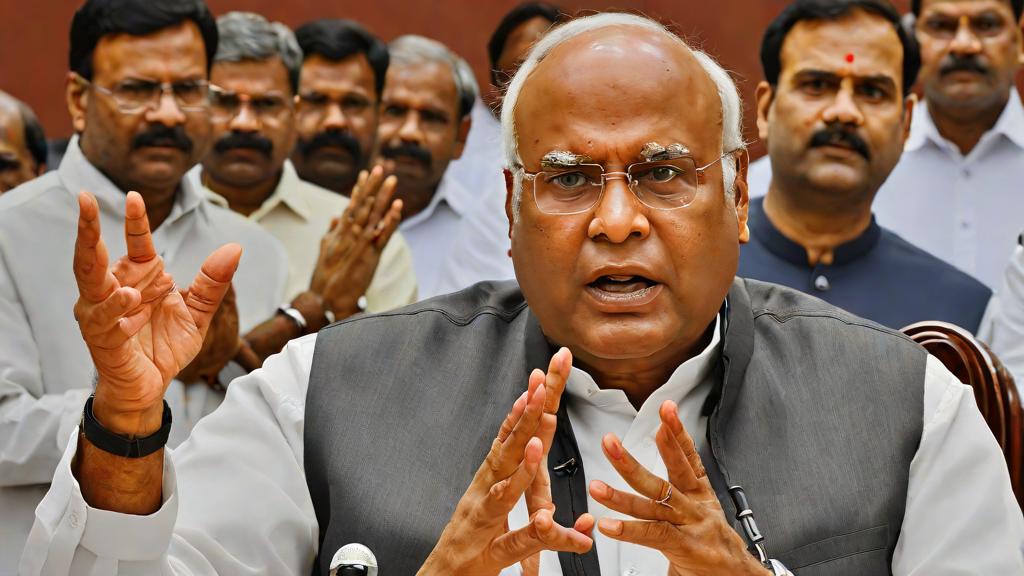
- Mallikarjun Kharge delivered a witty quip to Rahul Gandhi, reminding him that turncoats who left Congress 'were all your friends.'
- Kharge's remark came in response to Rahul Gandhi labeling former Congress members who defected to rival parties as 'cowards.'
- Headlines linked the discussion to former senior Congress leaders Jyotiraditya Scindia and Ghulam Nabi Azad.
- Mallikarjun Kharge is a veteran Indian politician from Karnataka and has served as President of the Indian National Congress since October 2022.
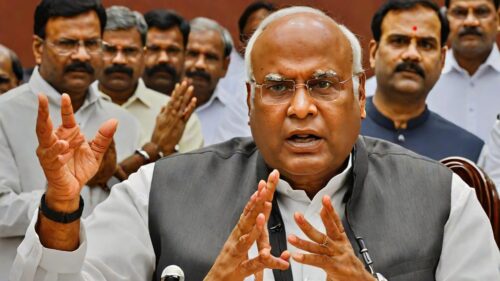
Mallikarjun Kharge, the President of the Indian National Congress, recently made headlines after responding to Rahul Gandhi’s critique of political turncoats with a quick-witted quip. Commenting on Gandhi’s assertion that politicians who exited the party were “cowards,” Kharge pointedly remarked, “They were all your friends,” specifically referring to former senior party leaders like Jyotiraditya Scindia and Ghulam Nabi Azad. This exchange offers a clear look at how the Congress leadership views recent high-profile exits and internal party history.
What Triggered Mallikarjun Kharge’s Remark to Rahul Gandhi?
The recent exchange occurred during a party discussion where Rahul Gandhi criticized political leaders who chose to leave the Indian National Congress during difficult political periods, labeling them as “cowards.” Gandhi emphasized that individuals lacking ideological commitment often defect to opposing parties when facing political pressure or seeking better prospects elsewhere.
In response, Mallikarjun Kharge offered a humorous jab back at Gandhi, pointing out that many of the turncoats being discussed were previously Gandhi’s close personal and political friends. Kharge’s quip, “They were all your friends,” drew widespread attention from political commentators and news outlets across India, showcasing Kharge’s pragmatic and candid communication style.
Which Leaders Were Referenced in the Debate?
While the full political context involves several high-profile departures from the Indian National Congress over recent years, media coverage of Kharge’s remark specifically highlighted prominent turncoat figures who once held key roles in the party:
| Leader Name | Former Role in Congress | Political Context Mentioned |
|---|---|---|
| Jyotiraditya Scindia | Senior Union Minister & MP | Close associate of Rahul Gandhi before joining the Bharatiya Janata Party (BJP). |
| Ghulam Nabi Azad | Veteran Leader & Chief Minister | Long-time party leaders who departed to form an independent political group. |
Who is Mallikarjun Kharge? Political Background and Profile
Mallikarjun Kharge is a senior Indian politician who currently serves as the elected President of the Indian National Congress. Born on July 21, 1942, in the Bidar district of Karnataka, Kharge has built an extensive political career spanning more than five decades in public service. He is widely respected across political spectrums for his deep administrative knowledge and parliamentary experience.
Before assuming the Congress presidency, Kharge established a formidable record in state and national politics:
- Electoral Record in Karnataka: Kharge achieved an extraordinary milestone by winning nine consecutive terms as a Member of the Legislative Assembly (MLA) in Karnataka between 1972 and 2008.
- Union Cabinet Roles: He served in significant portfolios in the Union Cabinet under the UPA government, including as the Cabinet Minister for Railways and Minister for Labour and Employment.
- Parliamentary Leadership: Kharge led the Congress party in the Lok Sabha from 2014 to 2019 and later served as the Leader of the Opposition in the Rajya Sabha.
- Party Presidency: In October 2022, Kharge won the Congress presidential election, becoming the first non-Gandhi leader to head the organization in 24 years.
What Does the Exchange Reveal About Internal Congress Leadership?
Political analysts view the lighthearted exchange between Mallikarjun Kharge and Rahul Gandhi as evidence of a flexible working relationship at the top of the Indian National Congress. Kharge’s willingness to tease Gandhi publicly illustrates his standing as an authoritative elder statesman within the organization who is not hesitant to speak candidly.
While Rahul Gandhi framed the departure of former colleagues around ideological firmness and courage, Kharge brought a human perspective to the conversation, reminding everyone that political alliances and personal friendships often overlap. This combination of Gandhi’s ideological messaging and Kharge’s grounded realism reflects the dual strategy Congress employs to address political defection and organizational rebuilds.
Why Are Political Turncoats a Central Theme for the Congress Party?
In recent years, party defections have impacted the Indian National Congress across multiple states. Several prominent leaders left the fold to join rival organizations or launch their own regional platforms. For Gandhi, categorizing those who left as “cowards” reinforces a narrative that remaining Congress members possess the true resilience required to challenge opponents.
However, as Kharge’s comment highlighted, many defectors were central to party operations for years and maintained strong personal ties with top leaders. By acknowledging that “they were all your friends,” Kharge provided a realistic assessment of how deep those defections hit the party structure while keeping the discussion grounded in historical reality.
Key Facts Summary: Mallikarjun Kharge and the Recent Discussion
To understand the timeline and core elements of this trending story, consider these verified details surrounding the event:
- Rahul Gandhi’s Statement: Described former Congress members who joined rival parties as “cowards.”
- Mallikarjun Kharge’s Response: Quipped that those who left were “all your friends,” directing a jab back at Gandhi.
- Prominent Figures Named: Headlines connected the discussion to leaders like Jyotiraditya Scindia and Ghulam Nabi Azad.
- Leadership Dynamic: Highlights Kharge’s comfortable, direct interaction style with Rahul Gandhi.
What Is Ahead for Mallikarjun Kharge as Congress President?
As Congress President, Mallikarjun Kharge continues to focus on organizational unity, electoral strategy, and building alliances with political parties across India. His ability to navigate delicate political dynamics—balancing veteran leadership with young political figures—remains a defining trait of his tenure. Whether delivering sharp speeches in Parliament or exchanging candid quips with party leaders like Rahul Gandhi, Kharge remains a central figure in shaping the Indian National Congress’s future path.
Sources
- Mallikarjun Kharge's "Your Friends" Quip At Rahul Gandhi's "Cowards Left Congress" Remark — NDTV
- 'They Were Your Friends': Kharge's Jab After Rahul Gandhi's 'Cowards' Dig At Congress Turncoats — News18
- 'They were all your friends': Mallikarjun Kharge's dig at Rahul Gandhi over Scindia, Azad — Moneycontrol.com
Frequently Asked Questions
What did Mallikarjun Kharge say to Rahul Gandhi about Congress turncoats?
Mallikarjun Kharge responded to Rahul Gandhi's comment calling turncoat politicians 'cowards' by delivering a lighthearted quip, saying, 'They were all your friends.' His remark specifically referenced prominent leaders who had previously left the Congress party after being close personal and political associates of Gandhi.
Which leaders were mentioned in relation to Kharge's comment?
Headlines about the exchange referenced former senior Congress leaders who left the party in recent years, including Jyotiraditya Scindia, who joined the BJP, and veteran politician Ghulam Nabi Azad, who subsequently formed his own independent political party.
What is Mallikarjun Kharge's current role in Indian politics?
Mallikarjun Kharge is the elected President of the Indian National Congress, taking office in October 2022. He is a veteran politician from Karnataka with over five decades of parliamentary experience, having served as a Union Cabinet Minister and Leader of the Opposition in Parliament.
About The Author