As Tanker Strikes Peak in the Strait of Hormuz, Iran’s Dual Strategy Pushes Asian Buyers Toward Russian Oil
The real threat in the Strait of Hormuz is not an absolute, permanent closure of the waterway, but a calculated campaign of maritime attrition designed to extract maximum leverage from Washington while global markets adapt around the conflict. As the wider Iran war destabilises shipping in the Strait of Hormuz, Tehran is using naval mines, selective drone strikes, and strict maritime warnings to dictate the terms of passage, even while maintaining that it wants an immediate diplomatic end to hostilties.
- UKMTO data reported over 30 maritime attacks in October and at least 22 in November, marking the highest conflict levels yet.
- Iran claims it can reopen the Strait of Hormuz within 48 hours if Washington meets its major condition and 7 core demands.
- India and China are importing record volumes of Russian oil in 2026 to bypass the Middle East shipping disruptions.
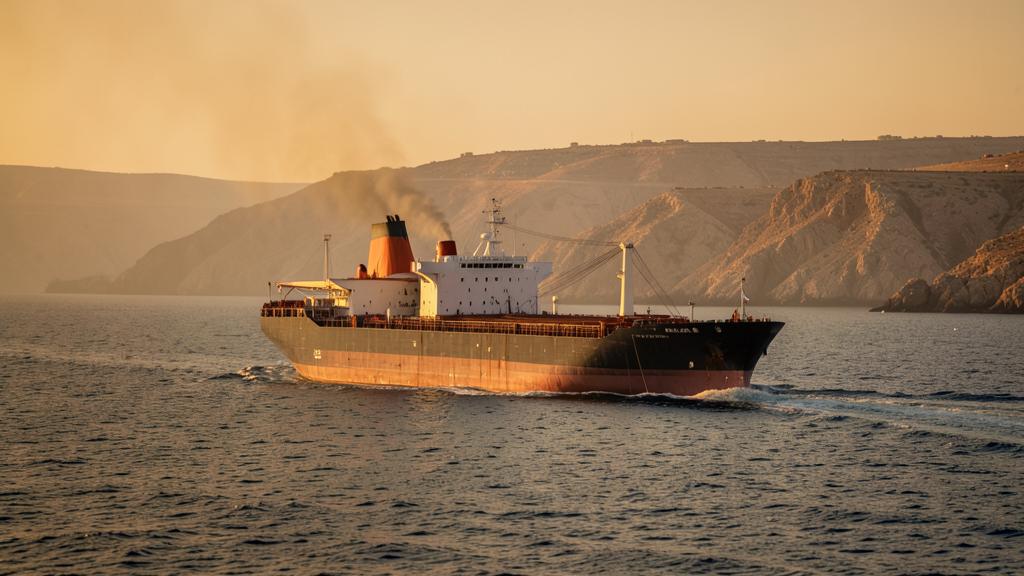
The tactical friction on the water has already escalated to record levels. Data from the UK Maritime Trade Operations, analyzed by CNN, recorded more than 30 maritime incidents in October—the highest single-month total since the conflict started—followed by at least 22 reported attacks in November up to Sunday. The Islamic Revolutionary Guard Corps claimed three oil tankers caught fire after striking naval mines, while two supertankers taking what Tehran called an unauthorised route exploded near Khasab and north of Oman’s Al Ghanam Island after failing to comply with Iranian naval instructions.
Mining the Strait to Force Washington’s Hand
Tehran’s military posture is tied directly to its diplomatic leverage. The Iranian Navy warned that the waterway east of the Strait of Hormuz will remain closed until Washington meets its seven core demands, though Iranian officials claim they could reopen the passage within 48 hours if the US fulfills a major condition. Tehran has also accused the United States of escalating the crisis by imposing a naval blockade on Iranian ports in response to restricted shipping through the chokepoint.
Inside Iran, security leadership has taken an uncompromising stance on core strategic assets. Iran’s security chief, Mohsen Rezaei, stated in an interview with Lebanon’s pro-Iranian Al Mayadeen network that Tehran will not allow even a single particle of enriched nuclear material to leave the country. Meanwhile, Iranian President Masoud Pezeshkian stated that the US is threatening to deploy the mother of all bombs under the guise of pursuing diplomacy. Donald Trump has publicly signaled that he is inclined to restart military strikes against Iran in the new year if the two sides fail to strike what he calls a real deal.
Drone Strikes in Kuwait and the Limits of Iranian Denial
There is a counter-argument to the view that Iran seeks total escalation: Iranian diplomats continue to insist that Tehran is actively searching for a way out of the war. Iranian Foreign Minister Abbas Araghchi told the state-owned Iran newspaper that Tehran is working toward an agreement that ensures no further war, emphasizing that Iran favors diplomatic channels to resolve the standoff.
Yet that diplomatic messaging is constantly tested by lethal incidents across the Persian Gulf. Following an alleged Iranian drone strike in Kuwait that killed two Italian nationals, Araghchi called the attack suspicious and denied Iranian involvement, offering Tehran’s cooperation to investigate the incident. The contrast between Tehran’s official denials and the reality of exploding supertankers highlights the volatile gap between Iranian diplomatic rhetoric and military operations on the water.
Asian Markets Bypass the Chokepoint With Russian Crude
While Washington and Tehran trade ultimatums, major Asian economies are adjusting their energy supply chains to bypass the volatile corridor altogether. The ongoing Iran war and Strait of Hormuz crisis have pushed India and China to purchase record volumes of Russian crude in 2026. A temporary US sanctions waiver on Russian petroleum, combined with Middle East supply disruptions and Ukrainian drone strikes on Russian refineries, has turned Moscow into the primary energy hedge for both New Delhi and Beijing.
Iran’s baseline remains fixed for now: Tehran has ruled out negotiations until Washington accepts its seven conditions, even as Iranian naval forces keep two violating supertankers brought to a halt off Oman. Whether diplomatic talks resume before Donald Trump’s new year deadline rests on whether the US responds to Tehran’s 48-hour reopening offer or maintains its naval blockade on Iranian ports.
Sources
About The Author