Nasdaq 100 claws back from bear-market scare as US shuts for Thanksgiving
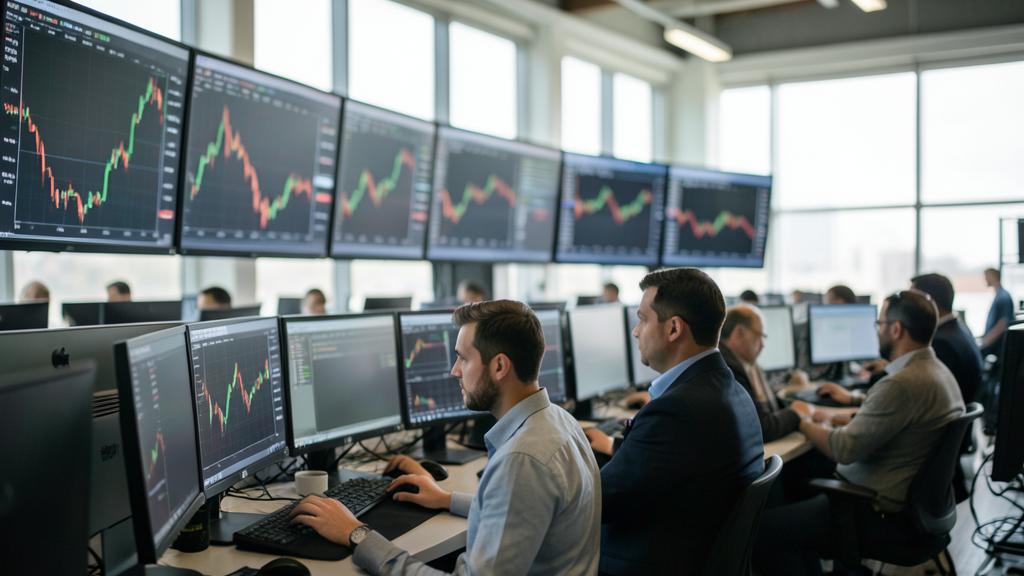
The US market today is shut — both the New York Stock Exchange and Nasdaq are closed for Thanksgiving — but the trading session ahead of the holiday delivered a wild ride. The Nasdaq 100 plunged nearly 5% at one point, briefly slipping into bear-market territory, before bargain hunting pulled it back and stocks ended the day broadly higher.
- The Nasdaq 100 briefly entered bear-market territory, plunging nearly 5%, before recovering on bargain hunting.
- US markets are closed Thursday for Thanksgiving; global stocks rallied in their absence.
- Wells Fargo says technology concerns, not tariffs, are driving market volatility.
- Fresh US tariff announcements and AI spending worries triggered the initial selloff.
Investors spent the morning dumping AI-related shares on worries about heavy capital investment, rising borrowing costs and thin future returns, then reversed course as the afternoon wore on. By the close, the index had trimmed most of its losses, according to market summaries, as traders chose to fish for bargains rather than join the selloff.
Nasdaq 100’s round-trip: dive, then recovery
The tech-heavy index’s slide began almost immediately after the opening bell, fueled by a wave of profit-taking in megacap AI names. Concerns that heavy spending on data centers and chips may not translate into commensurate returns—especially with borrowing costs still elevated—sent the gauge down as much as 5% in intraday trading.
That dip formally placed the Nasdaq 100 in bear-market territory, defined as a drop of 20% from a recent peak, according to Mint’s report. The recovery was swift but incomplete; by the end of the session, the index had recouped a significant chunk of the decline, though it remained well below its recent highs.
What’s spooking investors: AI capex and tariffs
Two forces dominated the narrative. First, artificial intelligence: investors are increasingly questioning whether the enormous sums committed to building out AI infrastructure will deliver the promised productivity gains and profits. Second, trade policy: Washington’s latest tariff moves added a fresh layer of uncertainty, even as the market seemed to treat them as a known quantity.
According to analysis from the after-hours session, the market opened sharply lower due to a combination of AI stock selling and inflation concerns, only to recover as bargain hunting emerged. That pattern suggests many investors viewed the early decline as an overreaction, betting that the underlying earnings power of the largest companies remains intact.
Wells Fargo sees tech, not tariffs, driving volatility
Wells Fargo’s head of macro strategy for Asia-Pacific, Chidu Narayanan, told ET Now that technology-related concerns are driving market volatility more than tariff fears. He argued that the market’s swings are increasingly tied to questions about AI investment cycles, future returns, and the cost of capital, rather than the back-and-forth of trade policy.
The remarks align with the price action: while tariff headlines have moved equities at times, the sustained pressure has come from the tech sector. The Nasdaq 100’s near-bear-market plunge illustrates how exposed the broader market is to the fortunes of a handful of megacap technology firms.
Global stocks climb as US traders take a day off
Away from the US, global indices advanced on Thursday, with traders setting aside both tariff concerns and AI jitters to buy beaten-down shares. European and Asian markets posted gains, echoing the bargain-hunting sentiment that lifted Wall Street at the end of Wednesday’s session.
With American exchanges closed for Thanksgiving, overseas trading becomes the primary barometer of investor sentiment. The rebound suggests that while the AI-led selloff had rattled markets, it hasn’t derailed the broader risk-on mood. The coming days will show whether the recovery holds when New York reopens on Friday.
Reporting from
About The Author