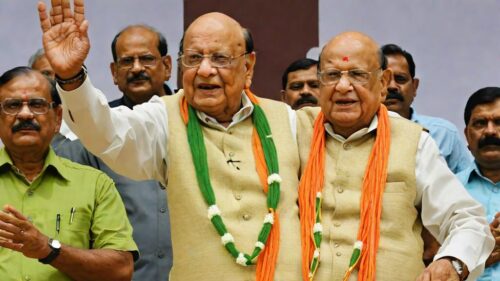
A New Dawn: How Bastar Welcomes Amit Shah’s Vision for Development

Bastar Welcomes Amit Shah: Charting a Course for Comprehensive Development
The palpable sense of optimism permeated the atmosphere as the region buzzed with anticipation. When discussing how Bastar welcomes Amit Shah, it is more than just marking a political visit; it signifies a convergence of political will, development urgency, and local aspiration. The visit brings with it high-level attention to the socio-economic and infrastructural challenges that have long characterized parts of this historically rich but underdeveloped region. This encounter is viewed by residents and local leaders alike as a significant catalyst for transformation, promising renewed focus on tribal welfare, security enhancement, and seamless connectivity.
The Historical Context and Current Need for Development
Bastar, a region renowned for its rich tribal culture, dense forests, and unique biodiversity, has always presented a complex developmental narrative. While its natural resources are invaluable, historical challenges related to connectivity, governance gaps, and perceived neglect have hampered consistent growth. Therefore, any high-profile visit, particularly from a national leader of Amit Shah’s stature, is eagerly awaited because it brings the necessary gravity and impetus required to push stalled projects forward and align regional needs with national developmental blueprints. The welcome itself was a resounding affirmation of the community’s desire for tangible, sustained progress.
Key Pillars of Focus: What Was Addressed During the Visit?
The itinerary and discussions surrounding Bastar welcomes Amit Shah were strategic, focusing intensely on pillars critical for lasting regional upliftment. The dialogue spanned security preparedness, modernization of infrastructure, and the implementation of flagship welfare schemes aimed directly at the Adivasi population.
Security and Development Synergy: Building Trust
A recurring theme during discussions centered on the synergy between robust security measures and development activities. Maintaining peace and stability is the bedrock upon which any infrastructure project can succeed. Discussions often touched upon modern policing techniques, better coordination between state and central agencies, and measures to ensure that development works proceed without hindrance. For the local populace, enhanced security translates directly into confidence, enabling them to engage fully with economic opportunities and education.
Infrastructure Boost: Connecting Lives and Livelihoods
Connectivity remains a lifeline. Therefore, the emphasis on improving physical infrastructure was paramount. This included plans for upgrading arterial roads, improving last-mile connectivity to remote villages, and enhancing digital infrastructure. A well-connected Bastar means that agricultural produce can reach markets faster, educational opportunities are more accessible, and medical aid can be deployed in emergencies without delay. These tangible improvements are what residents are most eager to see materialized.
Empowering Tribes: Welfare Schemes at the Grassroots Level
Crucially, the focus remained steadfast on tribal rights and welfare. Many of the schemes championed by the central government, designed to uplift Scheduled Tribe communities, were reviewed, discussed, and reinforced during the visit’s proceedings. This dialogue aims not just at distributing benefits but at ensuring that the delivery mechanism is efficient, transparent, and reaches the intended beneficiaries directly, minimizing bureaucratic leakage.
The Local Echo: Community Reception and Expectations
The local reception encapsulates deep gratitude mixed with profound expectations. The initial welcome was marked by widespread enthusiasm, signifying that the community feels heard and valued at the national level. Local bodies and activists utilized the platform provided by the visit to articulate nuanced local needs—from better healthcare facilities in district headquarters to sustainable livelihood training centers. It was a powerful exchange, not just a one-way address.
Beyond the Announcement: Sustaining the Momentum
While high-level visits generate immense positive energy, the true measure of success lies in continuity. The local expectation now pivots towards ensuring that the policies and commitments articulated during the visit are institutionalized. It requires a sustained, dedicated administrative follow-up—a commitment that lasts far beyond the concluding formalities.
Conclusion: A Roadmap for a Prosperous Bastar
In summation, when Bastar welcomes Amit Shah, it symbolizes a collective belief in rapid, inclusive modernization. The themes highlighted—security, infrastructure, and tribal empowerment—are deeply interconnected. The successful implementation of these pillars promises to unlock the vast, untapped potential of the Bastar region, paving the way for a more equitable and prosperous future for all its residents. The journey from promise to permanence requires diligence, collaboration, and unwavering commitment from all stakeholders.
Advanced Governance and Institutional Reforms
Beyond tangible infrastructure, a deeper layer of discussion centers on institutional governance reform. For Bastar to achieve sustained prosperity, it requires more than just roads and schemes; it needs functioning, accountable administrative mechanisms. Discussions naturally gravitated towards modernizing local governance structures, empowering Panchayats (Village Councils), and ensuring that decision-making processes are participatory and transparent. Enhancing accountability at the grassroots level is crucial to prevent the leakage of funds and ensure that welfare schemes reach the intended recipient efficiently. Stakeholders emphasized the need for capacity building among local administrative staff, equipping them with the modern tools and training required to manage complex development projects effectively. This focus shifts the narrative from mere *receiving* aid to *managing* development autonomously.
Harnessing Sustainability: Livelihoods and Eco-Tourism Potential
The unique natural capital of Bastar—its forests, biodiversity, and pristine culture—presents an enormous, yet delicate, opportunity. A critical area of focus must be the development of sustainable livelihoods that integrate economic activity with environmental preservation. Eco-tourism, when managed correctly and ensuring local participation, offers a potent avenue for revenue generation that respects tribal customs and ecological balance. This requires creating specialized, local-run enterprises—from guided nature walks to tribal handicraft export units—that funnel profits directly back into the community. Moreover, initiatives promoting sustainable agriculture, such as organic farming techniques suitable for the local ecosystem, must receive consistent policy backing to diversify the economy away from reliance on limited primary resources.
Education as the Primary Driver for Change
Recognizing that human capital is the most valuable resource, the role of education cannot be overstated. The discourse around Bastar’s future must place education at its epicenter. This involves more than just constructing more schools; it demands a fundamental overhaul of the educational model to be culturally sensitive and relevant to the tribal ethos. Integrating local dialects and tribal knowledge into the curriculum, while simultaneously providing digital literacy and vocational training in modern trades, is key. Furthermore, ensuring that educational institutions are staffed by qualified, empathetic educators who understand the socio-cultural nuances of the Adivasi community is paramount to breaking cycles of poverty and underdevelopment.
Conclusion: Translating Commitment into Concrete Action
Ultimately, the narrative of Bastar welcomes Amit Shah transforms from a mere political visit into a defining moment of expectation. The comprehensive dialogue covers not just immediate needs—like better roads or faster connectivity—but a holistic vision encompassing institutional maturity, ecological stewardship, and educational renaissance. The challenges faced by Bastar are multifaceted, demanding an equally multifaceted and sustained commitment. For the optimism generated during this visit to materialize into lasting reality, there must be an unprecedented convergence of political will (the assurance from the highest levels), dedicated administrative execution (the tireless follow-up from bureaucracy), and active participation (the resilient cooperation from the local populace). The true measure of success will be seen not in the commitments made, but in the measurable, demonstrable transformation visible in the lives of the people of Bastar five years from now.
About The Author