As E20 Petrol Covers India, Motorists Face Mileage Drops and Engine Risks
India completed its nationwide transition to E20 petrol in April 2025, achieving its 20 per cent ethanol blending target five years ahead of the original 2030 schedule. With standard fuel stations across the country now dispensing the 20 per cent ethanol blend, millions of vehicle owners are raising urgent questions about whether E20 petrol is good for their bike and car engines over long-term use.
While major automakers have introduced E20-compatible vehicles in recent years, older cars, scooters, and motorcycles remain highly exposed to ethanol-related wear. Drivers across the country are reporting noticeable drops in fuel efficiency alongside accelerated engine wear, forcing commuters to evaluate whether E20 is good for older bikes and cars when factoring in maintenance expenses.
Mechanical Damage and Mileage Loss
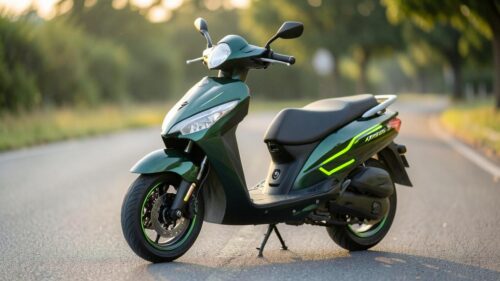
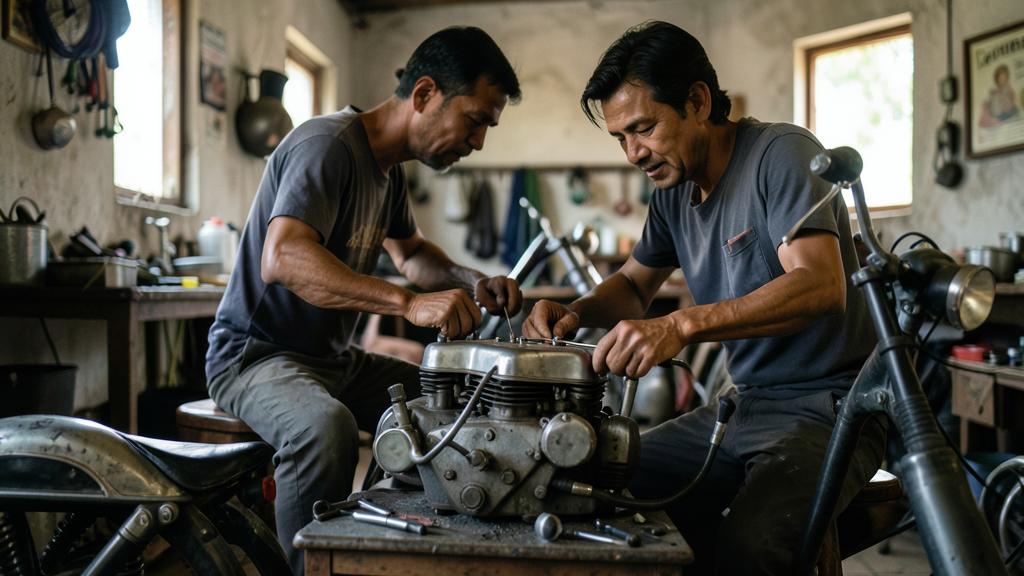
The operational impact of mandatory ethanol blending varies significantly across vehicle categories, with older two-wheelers and scooters suffering the most severe consequences. Autocar India reported that scooters and motorcycles experience marked drops in performance, reduced fuel economy, and long-term durability issues under regular E20 usage. Carburetted vintage motorcycles face particularly critical problems, as ethanol acts as a solvent that degrades soft rubber fuel lines, corrodes metal fuel tanks, and damages delicate carburettor components. Because carburetted engines lack electronic fuel injection to adjust air-fuel ratios automatically, they run leaner and hotter on ethanol blends, compounding mechanical stress.
Documented cases of mechanical failure are growing across automotive platforms. Cartoq reported that a Royal Enfield Bullet owner published video evidence demonstrating how E20 petrol caused severe damage to his motorcycle engine. To counteract these breakdown risks, members on automotive forums like Team-BHP are actively debating whether adding specialized fuel additives to non-E20 compliant bikes and cars can prevent internal corrosion and fuel system degradation.
Mileage drops present an immediate financial headache for everyday vehicle owners. Hindustan Times reported that car owners nationwide are grappling with lower fuel efficiency and varying degrees of mechanical wear. Because ethanol contains lower energy density than unblended petrol, drivers across India are asking if E20 petrol is really good for daily bike and car usage when overall fuel bills rise.
Insurance Coverage and Future Ethanol Blends
The rapid rollout of E20 petrol has also created legal and financial confusion among policyholders. Business Today and Mint reported that vehicle owners across India are questioning whether filling non-compliant cars with E20 petrol could lead to rejected motor insurance claims if the fuel damages the engine or fuel lines. Policyholders want to know if damage caused by standard pump fuel is covered under mechanical breakdown clauses or excluded as improper fuel usage.
Despite public debate and mechanical concerns, the Narendra Modi-led Central government is pressing forward with higher blending thresholds. To encourage higher blend adoption, the government has waived off excise duty on several upper-tier fuel variants, including E22, E25, E27, and E30 blends. Union Minister for Road Transport and Highways Nitin Gadkari recently backed the ethanol initiative, announcing that 100 per cent ethanol-powered cars will be launched in India soon as the government prepares for an eventual E85 rollout.
The policy push has also drawn sharp commentary regarding national resources. India Today reported that the drive for energy security has hitched itself to India’s food security system, using taxpayer money to procure paddy under the minimum support price to manufacture ethanol. With excise duty waivers already active for E22 through E30 blends and flex-fuel technology on the horizon, owners of older vehicles are left dealing with fuel additives, potential insurance claims, and rising wear and tear on non-compliant engines.
Reporting from
- Will you consider using fuel additives in non-E20 compliant cars/bikes? — Team-BHP
- Royal Enfield Bullet Owner Shares How E20 Fuel Is Damaging His Bike [Video] — Cartoq
- How E20 petrol affects your bike and scooter explained — Autocar India
- Is E20 Fuel Safe for Older Cars? Complete Guide for Indian Car Owners — ACKO Drive
- How the Sudden Push for E20 Petrol Is Creating Problems for Carburetted Vintage Motorcycles — CarAndBike
About The Author