Board Fees and Broadcasters Test Abu Dhabi T10 Commercial Strategy
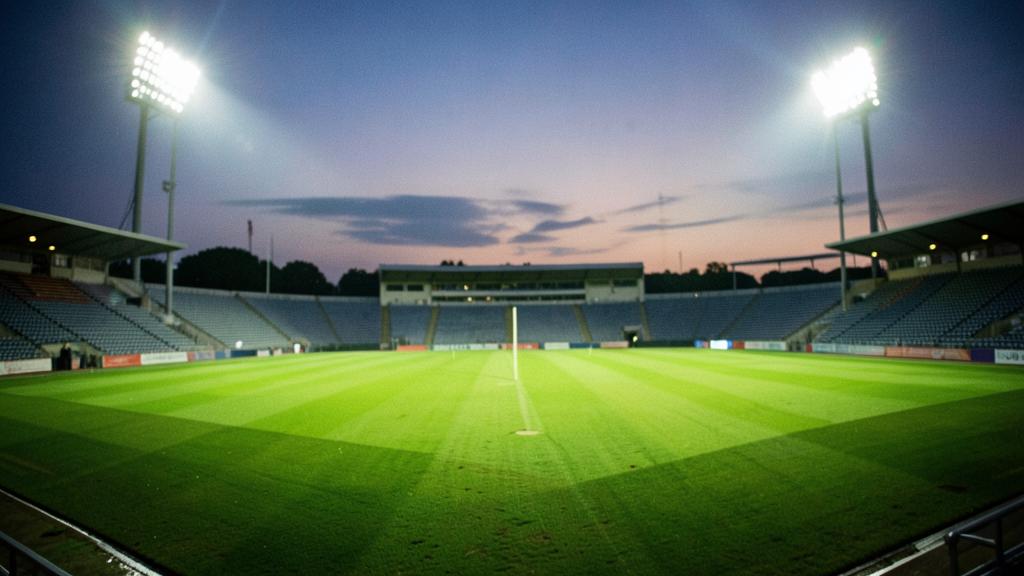
The real test for breakaway cricket formats isn’t keeping spectators entertained over 90 minutes; it’s surviving the financial leverage exerted by national boards over their player pools. As the Abu Dhabi T10 launches its 10th edition on November 7, 2026, the league’s ability to maintain an international star cast faces direct resistance from home boards seeking revenue from player release permits.
The absence of prominent international names in this edition of the Abu Dhabi T10 illustrates how administrative fees can alter franchise squad compositions overnight. Mint reported that Pakistani players are unlikely to take part in the 2026 tournament following a late demand by the Pakistan Cricket Board for a $10,000 No Objection Certificate fee per player. PCB officials defended the levy by pointing out that Pakistan has long charged fees for leagues where it sees limited reciprocal commercial benefit, noting that cricketers from emerging nations like Nepal and the UAE are not in high demand for domestic Pakistani tournaments.
Financial Demands Expose Franchise Friction Beyond the Pitch
The PCB’s $10,000 requirement shifts the economics for franchise owners operating on tight player-purse budgets. For independent tournaments operating outside official ICC bilateral windows, paying five-figure release fees for individual players squeezes squad depth and forces management teams to evaluate talent from alternative domestic systems. The policy highlights how mid-tier national boards are determined to monetise their contract lists when competing with overseas franchise circuits that draw talent away from local setups.
Yet, this friction has not halted the tournament’s operational engine. The counter-argument to player availability issues lies in the sheer efficiency of the league’s tournament structure, which relies on a condensed window, tight franchise quotas, and broad broadcast syndication rather than a single country’s talent pool to attract viewers.
A Tight Six-Team Model Built for High-Density Broadcasting
The tournament relies on six primary franchises competing in a round-robin and knockout structure: UAE Bulls, Yas Lions, Champions, Emirates Eagles, Tigers, and Aces. Ahead of the opening matches, the Abu Dhabi Sports Council hosted a joint pre-tournament press conference where the six team captains gathered to outline their tactical approaches and team readiness for the fast-moving format.
Broadcast coverage spans major international markets despite individual squad adjustments. NDTV Profit and Mr Cricket UAE reported that the 10th season will be broadcast across India, Pakistan, the United Kingdom, the United States, and Australia. Digital audiences can access live streams through DafaNews, allowing the league to sustain its global media footprint across multiple time zones and maintain broadcast revenues regardless of roster shifts.
Opening Triple-Header Sets a Relentless Schedule
Cricket World and CricTracker reported that the competition begins on November 7, 2026, with an opening triple-header. The action starts with Match 1 between UAE Bulls and Yas Lions, followed immediately by Match 2 featuring Champions against Emirates Eagles. The opening day concludes with Match 3, where Tigers face Aces.
The scheduling continues on November 8, 2026, with Match 4 pairing Yas Lions against Emirates Eagles. According to CricTracker and AI11 fantasy analyses, the quick turnarounds for teams like Yas Lions—who play on consecutive days right at the start—will test roster depth early in the campaign. With 10-over matches offering zero margin for tactical recovery, the speed of the tournament format demands immediate execution from every franchise squad on the field.
Reporting from
About The Author