Cabinet grants Agniveers two more years and a wider route into regular forces
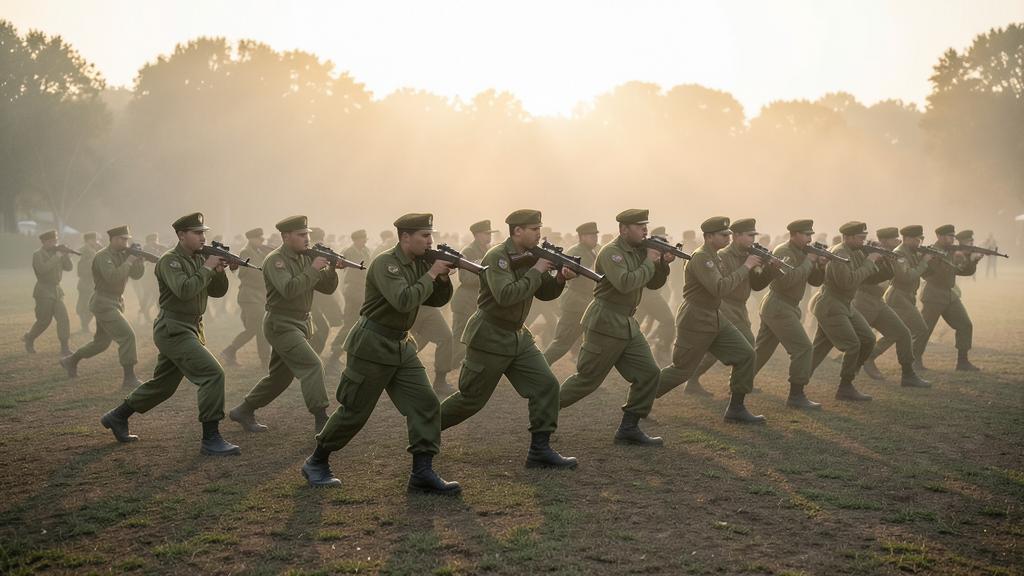
The Union Cabinet has approved a two-year extension to the Agnipath scheme, letting Agniveers serve for six years instead of four and widening the route into the regular armed forces. Chief of Defence Staff General NS Raja Subramani announced the change days before Diwali, and headlines are calling the addition a ‘second tour of duty’.
The Times of India reported that nearly 20,000 Agniveers got the chance to serve for another two years just before the festival. The same report listed higher pay among the key changes, though it gave no figure. The Hindustan Times reported that the move came weeks before the three services were due to start releasing 75 per cent of the first batch of Agniveers in phases from mid-November.
What changed before Diwali
Under the older Agnipath terms, 25 per cent of Agniveers were to be absorbed into the regular forces on merit after four years, while the remaining 75 per cent faced release. The cabinet has now approved an additional engagement period of two years for that 75 per cent. General NS Raja Subramani put the core number plainly: 25 per cent of the Agniveers are to be enrolled into the regular forces based on merit. That line has not moved. What has moved is the treatment of the three-quarters who miss that first merit cut. They now get a second tour after the four-year term, and NDTV’s summary frames the net result as all Agniveers being able to stay in the services rather than only the original quarter.
How the second tour works
An Agniveer completes four years. If he is in the 25 per cent selected on merit, enrolment in the regular forces follows, as in the original design. If he is not, the recruit now gets a two-year extension instead of immediate release. After that extended engagement, media reports say all Agniveers are to be offered regular enrolment, with the Army explicitly named in at least one account as opening its doors. The extension is a separate two-year block after the original term, not a fresh four-year enlistment. The practical difference is that the four-year mark becomes a sorting gate rather than the end of the road, and the next gate is the post-extension enrolment offer.
Who is affected, and who welcomes it
The immediate pool is the first batch, with nearly 20,000 Agniveers affected by the pre-Diwali announcement. The Morung Express reported welcome from young defence aspirants, defence academy operators and families of serving Agniveers. Defence experts quoted by Ianslive called the extra tenure a positive and mutually beneficial step for the recruits and the services. The relief is practical as well as symbolic: families that were bracing for phased exits from mid-November now face a longer runway for at least part of that cohort, and aspirants preparing for the entrance pipeline are seeing a clearer reason to stay in the process after a first miss.
What happens to the 75 per cent?
Moneycontrol reads the decision partly through an electoral frame, and the timing supports that reading because the announcement arrived just before Diwali. The operational trigger is just as concrete: releasing 75 per cent of the first batch from mid-November would have meant losing trained recruits at the four-year mark, so the cabinet has instead kept that group inside the services for two more years. The open point is scale. The summaries announce a wider route and higher pay, but they do not say how many regular-force vacancies will exist after the second tour, so the date to watch is the notified strength behind that post-tour enrolment promise.
Sources
- Agniveer service tenure extended by two years, CDS announces — The Hindu
- Major Agnipath Overhaul: Modi cabinet approves 2 year ‘Second Tour of Duty’ for Agniveers, opens door to Army enrolment — Organiser
- Good news for Agniveers: Government extends tenure by two years — The Times of India
- Cabinet gives Agniveers two-year service extension, announces CDS | India News — Hindustan Times
- Centre offers two-year extension to 75% of Agniveers, opens pathway to regular forces — The New Indian Express
About The Author