Delhi: Exploring the Eternal City of Contrasts and Culture
Delhi: A Grand Tapestry Woven Through Time
To speak of Delhi is to attempt capturing the essence of an entire civilization. It is a sprawling metropolis, a chaotic symphony of sights, sounds, smells, and millennia of history. Unlike cities that evolved linearly, Delhi is a palimpsest—a manuscript written over countless times—where layers of Mughal opulence, colonial ambition, indigenous resilience, and modern hustle coexist in breathtaking proximity. It doesn’t just *show* history; it breathes it.
From the grand avenues designed by British architects to the labyrinthine, spice-scented alleys of the Old City, every corner of Delhi offers a narrative waiting to be unearthed. It is a place that challenges the visitor with its sensory overload, rewarding curiosity with unparalleled cultural depth.
A Tale of Two Cities: History’s Layers
What makes Delhi so unique is its layered identity. It is not a single city, but a collection of historical capitals, each leaving its indelible mark. To truly understand Delhi, one must explore these contrasting eras.
The Mughal Heart: Old Delhi’s Intricacies
Old Delhi, or Shahjahanabad, is where time seems to move at a slower, more intoxicating pace. This area survived and thrived amidst modernization, retaining the architectural majesty of the Mughal era. Walking through its narrow lanes feels like stepping directly into a historical drama. The Jama Masjid, with its towering minarets, remains a potent symbol of Mughal grandeur. Nearby, the Red Fort showcases imperial power, offering breathtaking views of artillery history and magnificent Mughal craftsmanship.
Colonial Grandeur: New Delhi’s Blueprint
In stark contrast stands New Delhi. Planned meticulously by the British architects, Lutyens’ Delhi represents a zenith of colonial planning. Here, wide, tree-lined avenues, stately government buildings, and the solemn expanse of India Gate speak of an era of administrative might. While sometimes criticized for its sheer scale, this area provides the visitor with a stunning architectural contrast to the organic chaos of the older quarters, highlighting the city’s ongoing dialogue between past regimes.
A Culinary Adventure: The Taste of Delhi
No exploration of Delhi is complete without diving headfirst into its cuisine. Delhi’s food scene is legendary, evolving from humble, delicious street stalls to gourmet dining experiences. It is a fusion palate—rich, spicy, smoky, and utterly unforgettable.
The Spice Trail of Chandni Chowk
The primary crucible for Delhi’s gastronomic magic is Chandni Chowk. This historic market street is overwhelming in the best possible way. Here, vendors have perfected culinary arts over generations. One must sample the flaky perfection of parathas, the savory crunch of local snacks, and the sweet indulgence of jalebis dipped in syrup. The air itself smells of spices, frying dough, and cardamom.
Beyond Street Bites: Iconic Flavors
While street food draws the masses, Delhi’s restaurants cater to every palate. From the rich, creamy curries of Punjabi cuisine to exquisitely prepared kebabs smoked over charcoal, the culinary offerings are diverse. Every meal tells a story of regional migration and culinary fusion, making every bite a cultural lesson.
Modern Pulse and Spiritual Sojourns
While history anchors the past, Delhi pulsates with the energy of a modern global hub. The city expertly balances its ancient roots with futuristic aspirations.
Shopping and Bazaar Life
For the shopper, Delhi is a paradise of abundance. From the glittering bangles and spices in specialized bazaars to the upscale malls offering global brands, the options are endless. The bargaining skills required in local markets are part of the cultural experience itself—a fun negotiation ritual.
Spiritual Calm Amidst the Chaos
Amidst the incessant horns and the buzz of commerce, pockets of profound tranquility exist. Whether it’s visiting the serenity of a historic temple complex, observing the daily rituals at a grand Gurudwara, or finding quiet spots in the Lodhi Gardens, Delhi invites contemplation. These spiritual centers act as vital breathing spaces, grounding the visitor before they plunge back into the city’s exhilarating rush.
Navigating the Overload: Tips for Visitors
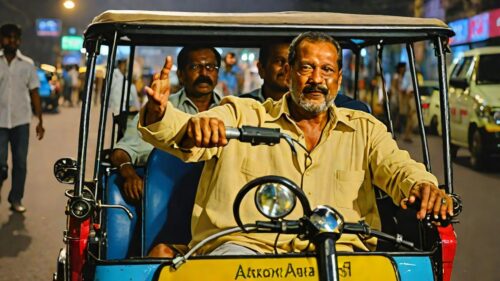
To truly embrace Delhi, visitors must adopt an attitude of openness. Embrace the unexpected detours, haggle with a smile, and always keep water and patience handy. The traffic is an experience unto itself, a loud, colorful, beautiful ballet of chaos. Dressing modestly, especially when visiting religious sites, is advised out of respect for local customs.
Delhi is not a destination you merely see; it is a city that you absorb. It demands all five senses, rewarding those who venture beyond the guided paths and allow themselves to get wonderfully, gloriously lost in its ceaseless embrace. It remains, without a doubt, one of the most vibrant and enduring metropolises on earth.
The Echoes of Resilience: Delhi’s Modern Narrative
Delhi’s modern identity is not simply an overlay onto its ancient past; it is a powerful act of continuous reinvention. The city has survived invasions, plagues, political upheaval, and the relentless march of globalization. This resilience, etched into its very infrastructure and spirit, is perhaps its most defining characteristic. Understanding this modern narrative requires looking beyond the visible monuments.
The Impact of Infrastructure and Urban Planning
The challenge of governing such a sprawling, historically dense metropolis is monumental. Modern Delhi grapples daily with issues of rapid urbanization, pollution, and infrastructure strain. The city’s ongoing efforts in metro expansion, smart city initiatives, and sustainable development showcase a modern commitment to progress, juxtaposed against the limitations of centuries-old waterways and roads. These development zones represent the city’s fight to maintain functionality while honoring its historical footprint. Exploring the new metro lines offers a fascinating microcosm of Delhi—a clean, efficient artery cutting through ancient dust.
The Cultural Melting Pot Today
The most palpable evidence of Delhi’s ongoing story is in its people and its culture. It is arguably one of the world’s most cosmopolitan hubs, drawing populations from every corner of the Indian subcontinent and the globe. This ceaseless migration fuels its dynamism. The dialects spoken in a single neighborhood can shift dramatically, reflecting the convergence of Hindi, Punjabi, Urdu, English, and dozens of regional tongues. This linguistic tapestry is a living testament to India’s multiculturalism, making Delhi a crucial anthropological study.
Beyond the Guidebook: Niche Experiences for the Deep Diver
For the traveler who has already navigated the major sights and seeks something more intimate, Delhi rewards deeper investigation. These experiences touch upon the city’s edges, its overlooked gems, and its specialized crafts.
Exploring the Craft Markets and Artisan Trades
Move away from the tourist thoroughfares to find specialized bazaars dedicated to singular crafts. Consider markets known for textiles, leather goods, or specific types of jewelry. Interacting with the master artisans—the gem setters, the loom weavers, the miniature painters—provides a direct link to traditional Indian craftsmanship that has been painstakingly preserved against the tides of industrialization. These encounters are not just shopping trips; they are masterclasses in inherited skill.
A Taste of Lesser-Known Green Spaces
While Lodhi Gardens are popular, seek out other pockets of green space that offer a sense of retreat. Local parks and even the overgrown courtyards of older havelis provide glimpses into a quieter, more domestic Delhi. These areas allow one to hear the sounds of everyday life—children playing, vendors calling out, and the simple rhythm of local existence—a soundtrack often drowned out by the main arteries of traffic.
Sustaining the Journey: A Responsible Traveler’s Guide
Given the depth and intensity of Delhi, responsible tourism is paramount. Visiting with awareness ensures that the experience remains enriching for both the visitor and the community.
- Respecting Sacred Spaces: Always dress conservatively. For temples, mosques, and gurudwaras, ensure shoulders and knees are covered. When permitted, remove footwear before entering.
- Health and Hydration: Stick to bottled or filtered water only. Be cautious with street food; while thrilling, stick to stalls with high turnover and visible hygiene standards.
- Negotiation Etiquette: In markets, negotiation is expected, but always approach it with good humor. Remember that an enjoyable haggle is a social ritual, not a confrontation.
Delhi is a city that refuses to be contained by a single narrative. It demands patience, an open heart, and a willingness to get pleasantly lost. It is a beautiful, complex, sometimes overwhelming organism—a thousand histories beating as one singular, magnificent heartbeat.
About The Author