El Clásico: Understanding the Passion, History, and Magic of Football’s Ultimate Rivalry

El Clásico: More Than Just a Match, It’s a Cultural Phenomenon
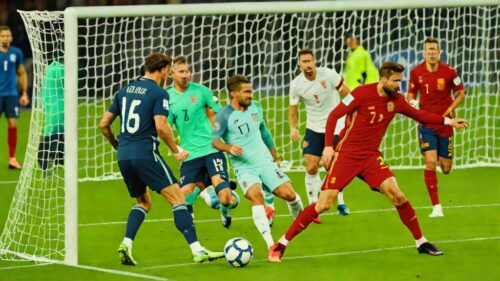
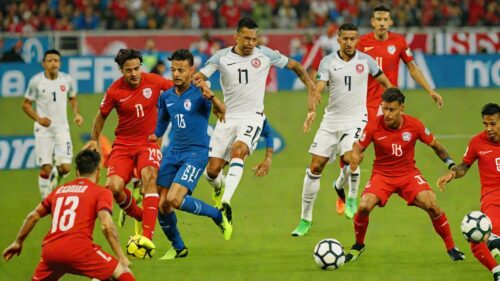
Few fixtures in the world of professional football generate the seismic anticipation, historical weight, and sheer raw passion of El Clásico. It is not merely a game played between two football clubs; it is a cultural nexus, a sporting proxy war, and arguably the most intensely scrutinized athletic event on the global calendar. When Real Madrid takes on FC Barcelona, the stakes transcend mere league points; they touch upon regional identity, historical narratives, and the very soul of Spanish football.
For decades, the fixture has captivated billions. Analyzing El Clásico requires understanding that its gravity comes from a rich tapestry woven from sporting rivalry, political undertones, and unmatched star power. It is a spectacle that demands the full attention of fans, pundits, and historians alike.
What Makes El Clásico So Monumental? The Depth of the Rivalry
To understand the magnitude of El Clásico, one must look beyond the pitch. The rivalry between Real Madrid and Barcelona is legendary, deeply rooted in differing histories and perceived identities. While both clubs represent the pinnacles of Spanish footballing achievement, their institutional and cultural foundations often draw them into a symbiotic yet fierce opposition.
Historical and Identity Undercurrents
The rivalry transcends standard sporting bragging rights. For many aficionados, supporting these clubs connects them to a larger regional or cultural identity. Real Madrid, often seen as the embodiment of central Spanish power and global ambition, carries a regal, establishment aura. Conversely, FC Barcelona has historically become intertwined with the Catalan identity, representing regional pride and distinct cultural aspirations. This divergence in perceived affiliations fuels the narrative tension that permeates every tackle, every pass, and every goal scored during the fixture. It means that every tackle carries the weight of history, making the stakes feel impossibly high.
The Global Spotlight and Media Intensity
In the modern era, the media machine ensures that every detail of El Clásico is dissected, analyzed, and consumed globally. The sheer volume of pre-match build-up, expert commentary, and post-match speculation creates an ongoing narrative that keeps the conversation alive year-round. This sustained, immense media attention elevates the importance of the single matchday to unmatched levels.
Analyzing the Gameplay: Tactics, Stars, and Tension
When the teams meet, the tactical battle is fascinatingly complex. Coaches must navigate the understanding that their opponent will play with maximum intensity and emotional commitment, changing standard match preparation into a psychological war.
The Star Power Factor
Historically, El Clásico has been a proving ground for footballing royalty. The players who shine brightest under this pressure are often the sport’s legends. The current iteration of the match continues this trend, featuring some of the world’s elite talents. Watching a superstar perform under the scrutiny of such an immense rivalry provides a unique barometer of their true class and mental fortitude.
Tactical Evolution Under Pressure
Matches are seldom predictable. One half might feature fluid, attacking artistry characteristic of Barça’s possession play, while the other might descend into a highly organized, more defensive battle, typical of Real Madrid’s renowned resilience. The ability of coaches to adapt—to press higher, to solidify the midfield, or to exploit gaps in the opponent’s structure—is often the difference between a thrilling draw and a decisive victory.
The Atmosphere: An Unforgettable Experience
To write about El Clásico without evoking the atmosphere is to miss its heartbeat. The journey to the stadium, the vibrant colors of the supporters, the chanting that builds to an almost unbearable crescendo—it is an immersive, visceral experience.
The Role of the Ultras and Fan Culture
The organized fan groups, or *ultras*, are central figures in the spectacle. They are not just spectators; they are active participants in the narrative. Their choreography, their singing, and their collective emotional output feed into the very mythology of the match. This passionate, almost tribal support structure contributes significantly to the match’s legendary status.
Why It Matters Off the Pitch
The commercial success of El Clásico is enormous, but its enduring cultural pull suggests something deeper. It taps into universal human emotions: tribal belonging, pride, rivalry, and the sheer joy of unmatched athleticism. It is a cultural mirror reflecting the immense passion that football can command.
Conclusion: The Eternal Magnetism
Ultimately, the magic of El Clásico lies in its refusal to be categorized. It is a perfect storm where sporting excellence meets deep-seated cultural pride. It promises drama, skill, tactical masterclasses, and emotional fireworks, ensuring that the fixture remains the most compelling annual ritual for millions around the world. Every encounter is steeped in potential, making it an appointment viewing for football devotees everywhere.
The Geopolitical Echoes: Beyond Football’s Boundaries
The narrative surrounding El Clásico has, at times, allowed the rivalry to spill over the boundaries of the pitch and into the wider sphere of Spanish identity and geopolitics. While modern fans prefer to focus on the ninety minutes of sport, understanding these deeper echoes is key to grasping the fixture’s monumental stature. The opposing affiliations—Madrid versus Barcelona—have, at times, mirrored broader regional tensions within Spain itself.
FC Barcelona, in particular, has often served as a symbolic rallying point for Catalan self-determination. Historically, its institutional association with Catalan culture and language has elevated the match’s stakes beyond mere sporting rivalry. Similarly, Real Madrid has often been perceived, through varying lenses, as representing a more centralized, state-aligned power structure. These perceived ideological differences, whether real or imagined, add an almost anthropological layer of complexity to the game, transforming goal-scoring into a statement of identity.
The Narrative of Resistance and Power
This perceived dynamic often creates a narrative of ‘resistance’ against ‘establishment power.’ For the fanbase, winning El Clásico can become less about the league table and more about symbolic validation—a moment where regional aspirations seem to assert themselves against a dominant perceived center. This psychological weight on the players and the coaches is immense, demanding performances that are not just technically superior, but emotionally monumental.
El Clásico: A Crucible for Future Legends
Beyond the current superstars, El Clásico serves as a brutal, high-stakes testing ground for the next generation of talent. For young players, earning their stripes against the opposition’s best is the ultimate professional milestone. It is where potential is forged into legend, or where immense pressure can cause a promising career to falter.
Coaches, when assessing young talent, often point to the manner in which players handle the emotional volatility of this match. Can a youngster maintain tactical discipline when the crowd roars with political fervor? Can they perform when the pressure is not just about winning, but about validating an entire cultural movement? These are the questions that only the cauldron of El Clásico can answer.
Historical Echoes: Moments That Defined the Rivalry
The tapestry of El Clásico is woven with specific, unforgettable chapters—moments that are referenced and analyzed decades later. These defining moments act as both a source of pride and an ongoing source of grievance for supporters.
Consider the pivotal matches from the 2000s or the seismic shifts following major managerial changes. Each iconic performance, each dramatic comeback, or each controversial penalty has become permanent folklore. These past glories and heartbreaks feed into the present tension, creating a cumulative historical expectation. Fans don’t just attend the match; they attend to participate in the ongoing, evolving mythos of the club, making every single fixture feel weighted by history itself.
In conclusion, to view El Clásico merely as a match is to fundamentally misunderstand its scope. It is a confluence of art, politics, regional pride, and sheer sporting brilliance. It is a living, breathing cultural document that transcends quarterly league results, securing its place as perhaps the most compelling athletic rivalry on the planet.
About The Author