Exploring the Depth and Diversity of the Democratic Republic of Congo

The Enduring Majesty of the DR Congo: A Land of Contrasts
The DR Congo, officially the Democratic Republic of the Congo, is a nation of staggering contrasts—a land blessed with unparalleled natural resources, breathtaking biodiversity, and deep, complex human histories. Often described as the Congo Basin jewel, this immense country in Central Africa captivates the imagination due to its vast rainforests, mineral wealth, and vibrant cultures. Understanding the DR Congo requires looking beyond headlines to appreciate its immense natural grandeur and the resilient spirit of its people.
Geographical Tapestry: From Rainforests to Rift Valleys
Geographically, the DR Congo is colossal, spanning an area comparable to several medium-sized nations. Its landscape is remarkably diverse, hosting everything from dense equatorial rainforests to dramatic rift valley formations. This variety contributes to its unique ecological significance.
The Congo Rainforest: The Lungs of Africa
Much of the eastern and central regions are blanketed by the Congo rainforest. This verdant expanse is one of the largest rainforests in the world, playing a critical role in global carbon sequestration. The rainforest supports an astonishing array of life—an unparalleled natural library waiting to be fully understood.
Minerals and Natural Wealth
Beyond its greenery, the DRC is endowed with extraordinary mineral wealth. It is globally recognized for its reserves of cobalt, copper, diamonds, and coltan. This mineral richness is a defining feature of the nation’s economy and its geopolitical narrative, presenting both immense potential and persistent challenges.
Biodiversity Hotspot: Wildlife Wonders Await Exploration
For nature enthusiasts, the DR Congo is a destination of unparalleled biological richness. Its wildlife corridor supports some of the most magnificent animals on the African continent.
Fauna and Flora Highlights
The rainforest is home to countless species, including gorillas, chimpanzees, okapi (a rare animal endemic to the region), and diverse primate populations. Rivers crisscross the landscape, supporting unique aquatic ecosystems. Conservation efforts in the DRC are critical not only for the planet’s climate but for the survival of these magnificent species.
Cultural Depth and Humanity
The human element in the DR Congo is as rich and varied as its landscape. It is inhabited by hundreds of ethnic groups, each contributing unique languages, traditions, and art forms. These cultures have millennia-old roots, making the people custodians of profound human history.
Challenges and Resilience
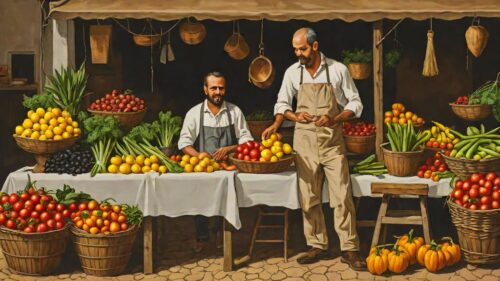
Like many nations with vast resources and complex histories, the DR Congo faces significant developmental and stability challenges. However, the resilience, warmth, and inherent generosity of its people shine through these difficulties. Storytelling, community life, and vibrant local markets reveal a profound human spirit.
Exploring the Modern DR Congo: Opportunities and Focus
To truly engage with the DR Congo is to engage with a narrative of potential. Development efforts are increasingly focusing on sustainable resource management, promoting local entrepreneurship, and bolstering governance. International partnerships are key to unlocking the nation’s vast potential sustainably.
Tourism and Sustainable Travel
While travel requires careful planning, ecotourism focused on wildlife viewing, cultural immersion (with local guides), and supporting community-based enterprises offers profound rewards. Responsible tourism is paramount to ensuring that the revenue generated benefits conservation and local populations directly.
Conclusion: A Journey Into the Heart of Africa
The DR Congo remains one of the planet’s most fascinating and complex locations. It is a destination demanding respect, thorough research, and an open heart. From the misty canopy of the rainforest to the shining potential of its minerals and the warmth of its cultures, the DRC offers an experience that promises to challenge perspectives and enrich the soul. It is a testament to nature’s power and humanity’s enduring spirit.
The Dynamics of Resource Management: Beyond the Mineral Rush
The sheer scale of the DRC’s mineral wealth—cobalt powering global technology, diamonds fueling historical trade, and copper vital for modern infrastructure—is a double-edged sword. While these resources represent a pathway to unprecedented development, they have also drawn global attention, leading to complex geopolitical pressures and environmental degradation. Understanding the DRC’s economy requires acknowledging the concept of the “resource curse”—where reliance on raw exports can hinder the development of diversified, stable local industries. Sustainable economic growth necessitates a radical shift: moving from extractive economies, which deplete finite resources, toward ones built on value addition and sustainable stewardship.
Addressing the Resource Curse: A Path to Sustainability
True development in the DRC lies not just in the quantity of minerals mined, but in the infrastructure built around them. Initiatives focusing on local processing, clean energy integration, and educational investment are paramount. For example, harnessing the immense hydropower potential along major rivers, such as the Congo River and its tributaries, presents an opportunity for industrializing power generation locally, thereby fueling industrial bases far removed from mining sites. Supporting smallholder farming, particularly cash crops adaptable to rainforest edges, offers a vital, less volatile counterweight to the boom-and-bust cycles of the commodity market.
Ecological Pressures and Climate Resilience
The magnificent biodiversity that defines the DRC is acutely vulnerable to external pressures. Deforestation, poaching, and the accelerating impacts of climate change threaten the delicate balance of the Congo Basin ecosystem. While the rainforest acts as a carbon sink, increased deforestation, often driven by illegal logging or unsustainable agriculture, releases massive amounts of sequestered carbon. Furthermore, changes in rainfall patterns and temperature are altering habitats, placing unique pressure on keystone species like forest elephants and river hippos.
Conservation efforts are shifting toward integrated landscape management. This involves creating corridors that link protected areas, allowing wildlife to migrate and adapt to changing climates. Supporting local communities in establishing sustainable livelihoods—such as sustainable harvesting of non-timber forest products (like medicinal plants or resins)—provides a direct economic incentive for protecting the forest rather than clearing it for subsistence farming.
Cultural Preservation in a Modernizing World
The linguistic and cultural tapestry of the DRC is one of the world’s richest. To truly respect this land is to respect its people and their deep knowledge of its natural cycles. Engaging with regional centers—whether it’s the vibrant markets of Kinshasa, the historical importance of sites along the Great Lakes region, or the specialized traditions in the Kasai or Maniema provinces—provides crucial context. It is vital for visitors and international partners alike to approach these interactions with humility and a willingness to learn, recognizing the profound wisdom embedded in age-old practices.
Practical Considerations for the Ethical Traveler
For those planning an expedition, preparation is key. Beyond vaccinations and gear, understanding the local political nuances and adhering strictly to ethical tourism guidelines is non-negotiable. Prioritizing reputable tour operators who employ local staff, ensuring that park entrance fees contribute directly to community development funds, and minimizing plastic waste are small actions that collectively reinforce the goal of sustainable visitation. The best travel experiences are those that facilitate genuine cross-cultural exchange, rather than mere observation.
Future Outlook: Investment in People, Not Just Products
The narrative of the DR Congo must evolve from one defined by extraction to one defined by human capital. The investment required for stability and prosperity must prioritize education, healthcare infrastructure, and judicial transparency. By empowering Congolese citizens with stable, diversified, and sustainable economic opportunities, the nation can transform its incredible natural endowment into lasting, equitable human development. The challenge before the world, and the DRC itself, is to manage this potential responsibly, ensuring that the nation’s enduring majesty serves the dignity and future of its people above all else.
About The Author