FAA Issues Nationwide Ground Stop as Severe ATC Frequency Outage Grounds Flights Across US
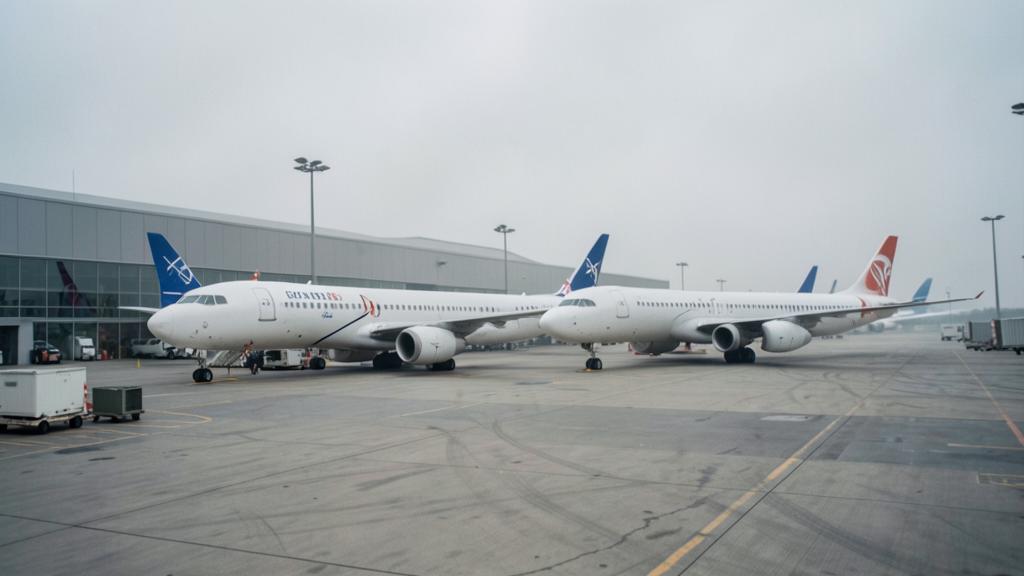
The US Federal Aviation Administration ordered a sweeping nationwide ground stop on Friday afternoon, halting all domestic flight departures after a critical communication failure crippled air traffic control centers across the country. Citing extraordinary circumstances and safety concerns, the FAA ordered all aircraft scheduled for departure to remain on the tarmac while technical teams moved to address the sudden system breakdown.
The emergency order stopped outgoing air traffic nationwide as air traffic control facilities experienced a rolling frequency outage. The disruption left planes lined up at gate terminals and taxiways, forcing the FAA to prioritize airspace safety and halt departures until ground controllers could re-establish reliable communication channels.
- The FAA declared a nationwide ground stop Friday afternoon, halting all US domestic flight departures due to a rolling ATC frequency outage.
- Around 3,100 airborne aircraft were warned to prepare for holding patterns while ground departures remained blocked.
- International flights were handled on a case-by-case basis, while travel for college football Week 11 teams was impacted.
Rolling frequency failures freeze air traffic
The nationwide ground stop took effect during a busy Friday afternoon travel window after air traffic control centers suffered widespread communication problems. Controllers lost standard radio links across multiple regional sectors, preventing safe flight coordination for outgoing aircraft.
Federal aviation officials classified the system collapse under emergency protocols, citing extraordinary circumstances and reasons of safety. Ground stops of this magnitude across the entire American airspace are exceptionally rare. The US Secretary of Transportation addressed the operational freeze, stating that official updates would be released to airlines and the public as technical teams on the ground provide them.
Thousands of planes caught mid-flight
While departing planes were held at their gates, the communication outage created immediate operational challenges for aircraft already airborne across the country. Air traffic controllers issued nationwide warnings to flight crews in mid-air, instructing pilots to expect holding patterns prior to their destination arrivals.
Data showed approximately 3,100 aircraft were en route to US airports at the time the ground stop was ordered. Controllers managed these airborne flights through backup protocols and holding procedures, keeping planes circling in assigned air sectors while departure gates on the ground remained frozen.
Sports travel and international routes disrupted
The departure halt quickly disrupted major scheduled events, impacting travel for college football teams preparing to fly to their respective Week 11 games on Friday afternoon. Team charters scheduled for afternoon departures were delayed alongside standard commercial flights at airports nationwide.
For international flights heading toward the United States, federal regulators chose not to issue an immediate blanket block. The FAA stated that incoming international departures would be managed on an individual, case-by-case basis, allowing controllers to clear select long-haul flights based on regional airspace capacity and destination safety conditions.
Technicians inspect systems as cyber fears surface
Ground technicians and engineering teams launched immediate investigations across affected air traffic control centers to identify the root cause of the rolling frequency outage. The unprecedented scale of the communication breakdown triggered concerns regarding a potential cyber attack, though official focus remained centered on restoring operational safety.
FAA officials emphasized that all flight departures will remain restricted until air traffic control frequencies are fully restored, tested and verified for safe flight clearance.
Sources
About The Author