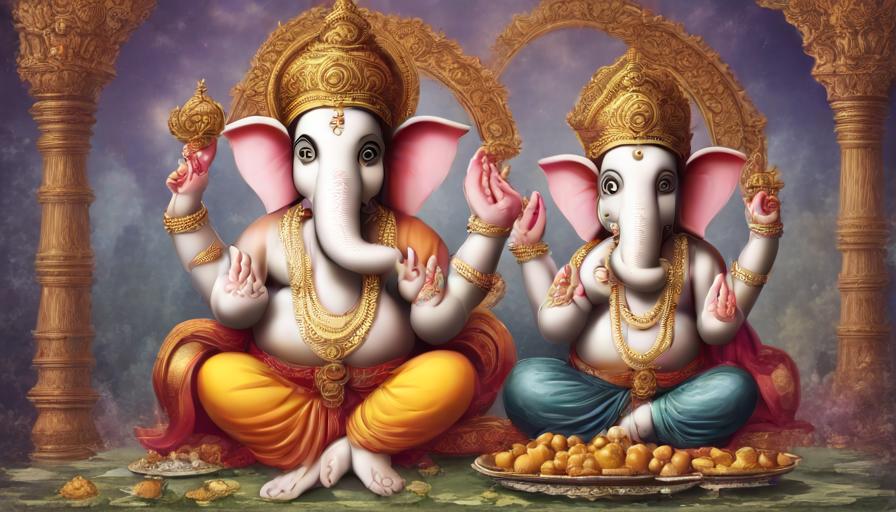
- Ganesh Chaturthi 2024 begins on September 7 and ends with immersion on September 14.
- The festival originated from ancient Ganesha scriptures and became a public event in the 19th century under Lokmanya Tilak.
- Eco‑friendly practices, such as using clay idols and natural dyes, are essential for sustainable celebrations.
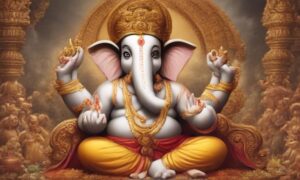
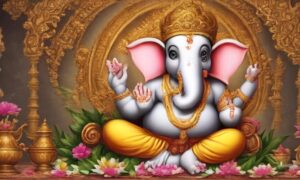
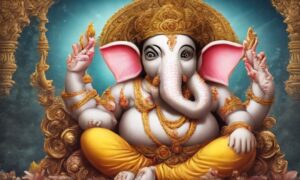
Ganesh Chaturthi is a Hindu festival that celebrates the birth of Lord Ganesha, the remover of obstacles. It falls on the fourth day of the bright lunar fortnight (Shukla Chaturthi) in the month of Bhadrapada, usually in September. In 2024 the main celebration begins on September 7 and concludes on September 14, when the idols are immersed.
What is Ganesh Chaturthi and when is it celebrated?
Ganesh Chaturthi, also called Vinayaka Chavithi, marks the appearance of Ganesha, son of Shiva and Parvati. The festival follows the Hindu lunisolar calendar, so the Gregorian date shifts each year. In 2024, the auspicious day begins at sunrise on September 7 and the “Visarjan” (immersion) ceremony takes place on September 14, a span of eight days that includes daily prayers and community events.
Historical origins of Ganesh Chaturthi
The worship of Ganesha dates back to the 4th–5th century CE, with early references in the “Mudgala Purana” and “Ganesha Purana.” The public celebration as a mass festival gained prominence in the 19th century under the leadership of Lokmanya Tilak, who used it as a platform for Indian nationalist gatherings. This transformation turned a private household rite into a city‑wide event, especially in Maharashtra.
How is the festival celebrated in Maharashtra vs. other regions?
| Aspect | Maharashtra | Other Indian States |
|---|---|---|
| Public Displays | Large “pandals” (temporary shrines) line streets, often sponsored by cultural clubs. | Smaller community halls or home altars; public pandals are less common. |
| Music & Dance | Live drumming (dhol), devotional songs (bhajans), and folk dances like “Lavani.” | Regional music styles; many states feature classical or devotional concerts. |
| Food | Modak (steamed rice dumplings) and “puran poli” are staples. | Regional sweets such as “payasam” in South India or “laddu” in North India. |
| Visarjan | Mass immersion in the Arabian Sea at Mumbai’s Girgaum Chowpatty. | River or lake immersions; some eco‑friendly clay idols are used. |
What are the key rituals and symbols of Ganesh Chaturthi?
- Installation (Prana Pratishtha): A newly crafted Ganesha idol is consecrated with mantras and a sacred fire (homa).
- Daily Aarti: Devotees perform a ritual of light, ringing bells, and chanting “Om Gan Ganapataye Namah.”
- Prasad Distribution: Sweet offerings like modak are shared among participants, symbolising blessings.
- Eco‑friendly Practices: Increasingly, devotees use biodegradable clay idols and natural dyes to protect water bodies.
Why are modaks important in Ganesh Chaturthi?
Modak, a sweet dumpling made from rice flour or wheat flour filled with jaggery and coconut, is regarded as Ganesha’s favorite food. Legends recount that Ganesha once ate a modak while meditating, granting him wisdom and strength. Offering modak during the aarti is believed to invoke his blessings for success in new ventures.
How can you observe Ganesh Chaturthi responsibly?
Modern celebrations can be both joyous and environmentally conscious. Follow these steps to reduce waste and honor tradition:
- Choose a clay or paper‑mache idol without plaster or chemical paints.
- Use natural colors made from turmeric, indigo, or herbal extracts for decorating the pandal.
- Plan a community immersion in a designated eco‑zone, ensuring the idol dissolves without harming aquatic life.
- Replace plastic plates and cutlery with reusable or biodegradable alternatives.
- Donate excess prasad to local shelters or share with neighbors to minimize food waste.
What are common misconceptions about Ganesh Chaturthi?
Many believe the festival is solely about large fireworks displays, but the core emphasis is on spiritual renewal and removing obstacles. Another myth is that only adults participate; in reality, children often lead the aarti, learning chants and cultural stories from a young age.
How does Ganesh Chaturthi influence Indian culture and economy?
The eight‑day festival generates significant economic activity: artisans earn a livelihood creating idols, florists supply garlands, and local vendors sell sweets and decorations. In Mumbai alone, the 2023 celebration attracted over 3 million visitors, boosting tourism revenue by an estimated ₹1.2 billion.
Where can you find reliable online resources for Ganesh Chaturthi?
Government cultural portals such as maharashtra.gov.in provide official dates and guidelines for eco‑friendly immersions. Reputable news outlets like The Hindu and Times of India publish yearly calendars, while scholarly articles on JSTOR explore the festival’s historical evolution.
Ganesh Chaturthi beyond India: global celebrations
Indian diaspora communities have embraced Ganesh Chaturthi in countries such as the United States, United Kingdom, Canada, Australia, and the United Arab Emirates. In cities like New York’s Jackson Heights, London’s Southall, and Dubai’s Al Bustan, local cultural associations organize “pandals” that showcase traditional Marathi décor alongside regional flavors. These overseas events often collaborate with municipal authorities to secure river‑bank or lake‑side immersion sites, adhering to the same eco‑friendly guidelines promoted in India. The festivals also serve as cultural‑education platforms, featuring workshops on Indian classical music, dance, and the mythology of Lord Ganesha for younger generations born abroad.
DIY Modak: a simple recipe for home worship
- Ingredients: 1 cup rice flour, ¼ cup grated coconut, ½ cup jaggery, 1 tsp cardamom powder, a pinch of salt, and 1 tbsp ghee.
- Prepare the filling: Melt jaggery with a splash of water, add coconut and cardamom, cook until a thick paste forms, then let it cool.
- Make the dough: Boil water with a pinch of salt and ghee, stir in rice flour until smooth, cover with a damp cloth.
- Shape the modak: Take a small ball of dough, flatten it in your palm, place a spoonful of filling, and seal the edges into a teardrop shape.
- Steam: Place the modaks in a steamer for 8‑10 minutes. Serve warm as prasad.
Safety and sustainability tips for fireworks
While fireworks add color to the festivities, they can pose fire hazards and contribute to air pollution. Opt for “green fireworks” that use low‑smoke compositions, set them off in open areas away from dry foliage, and keep a bucket of water or sand nearby. Encourage children to enjoy sound‑free light shows, such as LED lanterns or drone displays, which create a festive atmosphere without the environmental cost.
Frequently Asked Questions
When does Ganesh Chaturthi fall in 2024?
In 2024, Ganesh Chaturthi starts on September 7 at sunrise and concludes with the Visarjan (immersion) ceremony on September 14, spanning eight days of prayers, cultural events, and community gatherings.
What is the significance of modak during Ganesh Chaturthi?
Modak is believed to be Lord Ganesha’s favorite sweet. Offering it during the aarti symbolizes gratitude and invokes his blessings for wisdom, success, and the removal of obstacles in personal and professional life.
How can I celebrate Ganesh Chaturthi without harming the environment?
Choose biodegradable clay idols, use natural colors, avoid plastic utensils, participate in designated eco‑immersion sites, and donate excess food to reduce waste while honoring traditional rituals.
What are the main differences between Ganesh Chaturthi celebrations in Maharashtra and other Indian states?
Maharashtra features large public pandals, mass immersions at sea, and traditional foods like modak, while other states often hold smaller community gatherings, use river immersions, and offer regional sweets such as payasam or laddu.
Why did Ganesh Chaturthi become a public festival in the 19th century?
Lokmanya Tilak promoted Ganesh Chaturthi as a public event to unite people against colonial rule, turning a private household ceremony into a platform for cultural identity and nationalist gatherings.