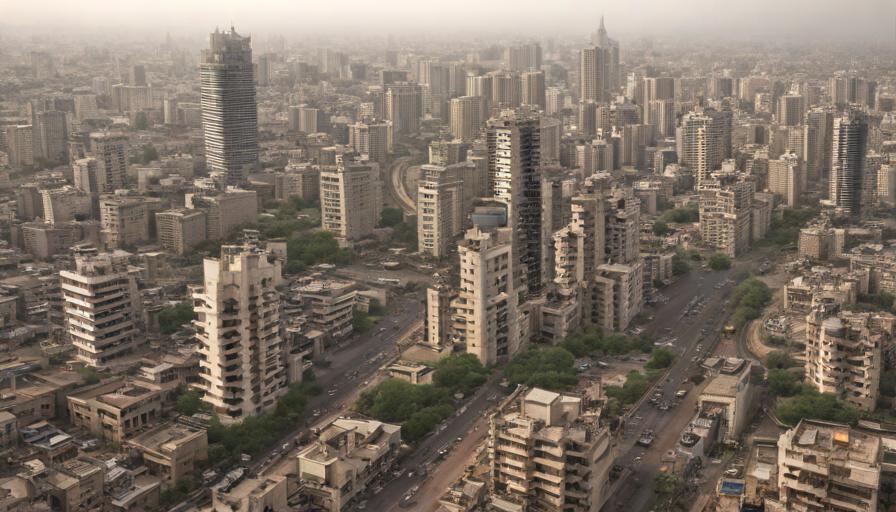
- Gurugram is a leading corporate and technology center in Haryana, India, hosting over 250 Fortune 500 companies.
- Formerly named Gurgaon until 2016, the city accounts for approximately 70% of Haryana's state corporate tax revenue.
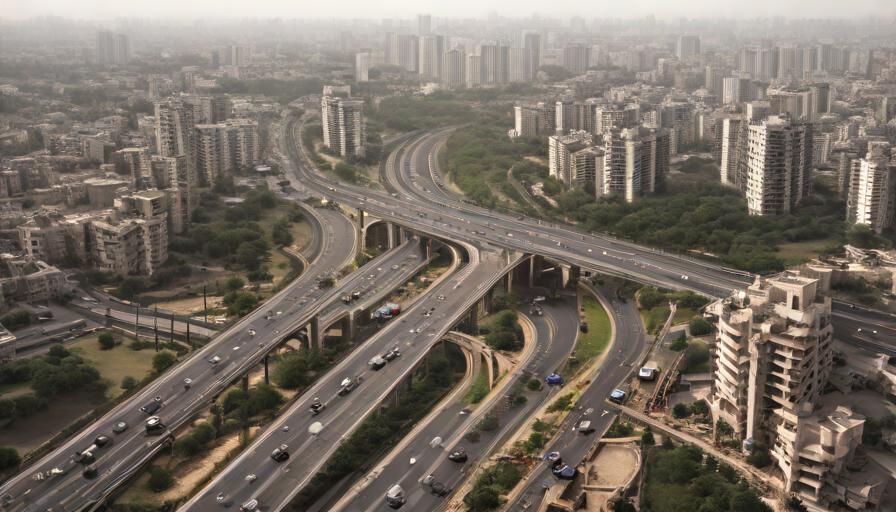
- Major transportation links include National Highway 48, Dwarka Expressway, Delhi Metro Yellow Line, and Rapid Metro Gurugram.
- Gurugram is a major industrial hub producing more than half of India's passenger cars and two-wheeled vehicles.
Gurugram, officially renamed from Gurgaon in 2016, is a major technology, financial, and industrial city located in the southeastern region of Haryana, India, approximately 30 kilometers southwest of New Delhi. As an integral component of the National Capital Region (NCR), Gurugram serves as India’s premier corporate center, housing operational headquarters or major offices for more than 250 Fortune 500 companies. The city represents one of South Asia’s most rapid urban transformations, evolving from an agricultural settlement in the 1970s into a bustling metropolis that yields the third-highest per capita income in India after Chandigarh and Goa.
What is Gurugram known for?
Gurugram is widely recognized as the information technology, financial, and commercial hub of Northern India. Often referred to as the “Millennium City,” Gurugram generates nearly 70% of Haryana’s state corporate tax revenue and serves as a major driver of regional economic growth. It is globally famous for landmark commercial developments such as DLF Cyber City, Horizon Center, and Udyog Vihar. Beyond its corporate ecosystem, Gurugram is an industrial hub for automotive manufacturing, a destination for high-end residential real estate, and a center for medical tourism with internationally accredited healthcare facilities.
How did Gurgaon transform into modern Gurugram?
The urban development of modern Gurugram accelerated in 1981 when the Government of India established Maruti Udyog Limited (now Maruti Suzuki India Limited) in the area. This event transformed the district into an automotive manufacturing epicenter. During the late 1980s and 1990s, private real estate firms, notably DLF Limited, acquired large land parcels to build integrated commercial and residential complexes under private-led planning models.
Following India’s 1991 economic liberalization, multinational corporations established business process outsourcing (BPO) and information technology offices in Gurugram due to available land and its proximity to New Delhi’s Indira Gandhi International Airport. In April 2016, the Haryana state government officially changed the district’s name from Gurgaon to Gurugram, grounding the title in local tradition linked to Guru Dronacharya, the legendary teacher from the ancient Indian epic Mahabharata.
What key infrastructure drives connectivity in Gurugram?
Gurugram’s connectivity relies on an interconnected network of expressways, arterial roads, and rapid transit rail systems designed to accommodate millions of daily commuter trips across the National Capital Region:
- Indira Gandhi International Airport (DEL): Located 15 kilometers north of Gurugram, offering direct international and domestic air connections.
- National Highway 48 (NH-48): The primary 8-lane trunk road connecting Gurugram to New Delhi to the north and Jaipur and Mumbai to the south.
- Dwarka Expressway (NH-248BB): A 29-kilometer, 16-lane elevated expressway designed to reduce congestion on NH-48 and connect urban extensions directly to New Delhi.
- Delhi Metro Yellow Line: Operated by DMRC, connecting key central points like HUDA City Centre (Millennium City Centre) to Delhi’s central business district and northern suburbs.
- Rapid Metro Gurugram: India’s first privately built and operated light metro route, spanning 11.7 kilometers across 11 stations serving Cyber City and Golf Course Road.
- Southern Peripheral Road (SPR) & Golf Course Extension Road: Arterial corridors facilitating movement across expanding suburban residential sectors.
Which major industries and companies operate in Gurugram?
Gurugram maintains a diversified economic ecosystem spanning software engineering, automotive assembly, financial auditing, e-commerce, and renewable energy. The city attracts billions of dollars in Foreign Direct Investment (FDI) annually due to its concentrated talent pool and modern commercial real estate supply.
| Industry Sector | Major Companies in Gurugram | Economic Significance |
|---|---|---|
| Information Technology & BPO | Google, Microsoft, Accenture, IBM, TCS, Cognizant | Generates tens of billions in software and service exports annually. |
| Automotive & Manufacturing | Maruti Suzuki, Hero MotoCorp, Honda Motorcycle | Produces over 50% of passenger vehicles and two-wheelers in India. |
| E-Commerce & Digital Startups | Zomato, Paytm, MakeMyTrip, Delhivery, Urban Company | Serves as India’s leading startup center outside Bengaluru. |
| Professional Services & Finance | American Express, Deloitte, EY, PwC, KPMG | Houses major Global Capability Centers (GCCs) and financial headquarters. |
What are the primary commercial and residential districts in Gurugram?
Gurugram is divided into more than 115 numbered sectors administered by the Haryana Shehri Vikas Pradhikaran (HSVP) and Municipal Corporation of Gurugram (MCG). DLF Cyber City acts as the central business district (CBD), characterized by high-density office towers connected by pedestrian walkways. Golf Course Road and Golf Course Extension Road represent premier luxury residential corridors featuring high-rise condominiums, international schools, and golf facilities. Sohna Road, Sector 56-67, and New Gurgaon (Sectors 81 to 95) represent expanding residential zones catering to mid-income housing and commercial micro-markets along the Delhi-Mumbai Industrial Corridor (DMIC).
What key educational and medical facilities exist in Gurugram?
Gurugram has built a regional reputation for specialized healthcare and higher education. The city hosts multi-specialty quaternary care hospitals such as Medanta – The Medicity, Fortis Memorial Research Institute, and Artemis Hospital, attracting thousands of domestic and foreign medical tourists annually. For education, the city hosts management institutes like Management Development Institute (MDI) Gurugram, SGT University, and GD Goenka University, alongside numerous international K-12 IB and CBSE schools.
What urban challenges does Gurugram face?
Despite rapid economic advancement, Gurugram experiences infrastructure deficits due to historically fragmented private-led development without synchronized civic planning. Monsoon rains frequently cause urban waterlogging along low-lying corridors like the Hero Honda Chowk and Subhash Chowk due to natural drainage encroachment. Rapid urban expansion has severely depleted regional groundwater reserves, prompting local authorities to increase reliance on surface water piped from the Yamuna River via the Gurgaon Water Channel. Air quality issues during winter months, common across the Indo-Gangetic plain, also remain a critical environmental focus for city administrators.
Frequently Asked Questions
Why was Gurgaon renamed to Gurugram in 2016?
In April 2016, the Haryana state government officially renamed Gurgaon to Gurugram to align with local heritage. The name derives from Guru Dronacharya, the legendary teacher from the Hindu epic Mahabharata, who according to tradition received the village as a gift from his pupils.
How far is Gurugram from New Delhi and the nearest airport?
Gurugram is located approximately 30 kilometers southwest of central New Delhi and 15 kilometers south of Indira Gandhi International Airport (DEL). Travel between these points is facilitated by National Highway 48, Dwarka Expressway, and the Delhi Metro system.
Which major corporations have headquarters or offices in Gurugram?
Gurugram hosts major corporate facilities for over 250 Fortune 500 companies, including Google, Microsoft, Accenture, Deloitte, American Express, Maruti Suzuki, Hero MotoCorp, Zomato, and Samsung.
What public transportation options serve Gurugram?
Gurugram is served by the Delhi Metro Yellow Line connecting to Delhi, the privately operated Rapid Metro serving commercial corridors like Cyber City, municipal bus routes managed by GMCBL, and regional rail connections.