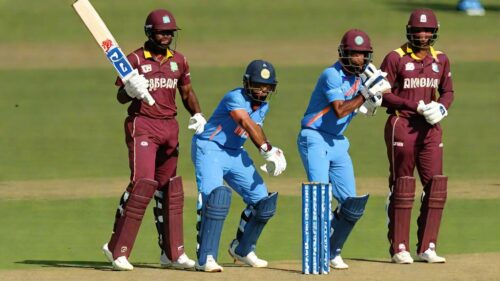
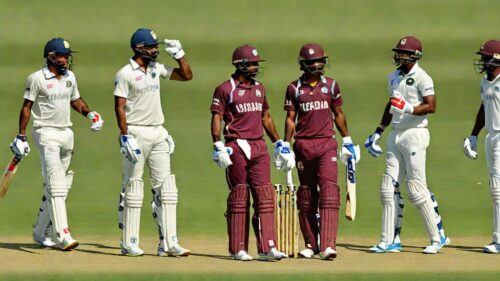
India National Cricket Team vs West Indies Cricket Team Timeline: History & Pitch Debates
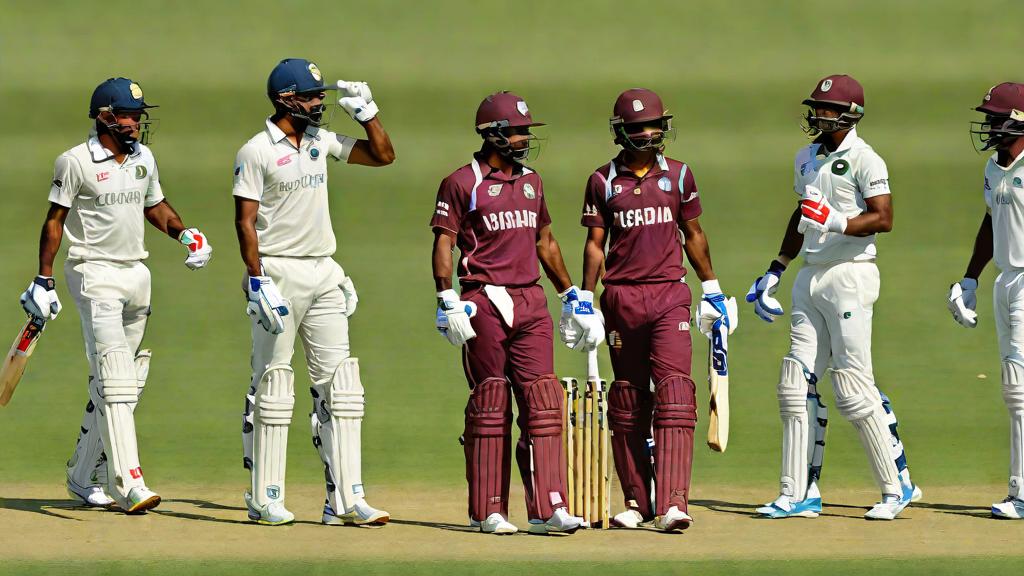
- The India national cricket team vs West Indies cricket team rivalry shifted from Caribbean dominance in the 1970s and 80s to Indian supremacy following the 1983 World Cup.
- Indian head coach Gautam Gambhir has publicly called for a fairer contest between bat and ball in modern One Day Internationals.
- Ultra-high-scoring ODIs—including targets as high as 406 runs chased down—have raised questions about whether flat home 'highways' properly prepare teams for the 2027 World Cup.
The India national cricket team vs West Indies cricket team timeline spans over half a century of iconic encounters, evolving from Caribbean dominance in the 1970s and 1980s to India’s recent control in modern international series. Today, the ongoing rivalry between these two cricket powerhouses reflects broader conversations in One Day Internationals (ODIs) regarding pitch conditions, high-scoring matches, and the tactical balance between bat and ball. As teams navigate bilateral series and look ahead to major tournaments like the 2027 World Cup, historical context and modern game dynamics remain tightly intertwined.
What is the historical timeline of India vs West Indies cricket?
The rivalry between India and the West Indies began in the mid-20th century, with the West Indies establishing early supremacy through legendary fast bowlers and formidable batting lineups. Throughout the 1970s and early 1980s, West Indies was the undisputed global powerhouse in both Test matches and One Day Internationals. However, the timeline reached a definitive watershed moment during the 1983 Cricket World Cup final, where India pulled off a monumental upset to lift their first World Cup trophy. That pivotal victory transformed Indian cricket and initiated a gradual shift in global cricket’s center of power.
Through the 1990s, 2000s, and into the modern era, India steadily built elite domestic infrastructure, expanding its talent pool and asserting dominance across all three formats. Meanwhile, West Indies experienced generational transition challenges, leading to a shift in head-to-head outcomes. In recent years, India has maintained a strong record in bilateral series against the West Indies across Tests, ODIs, and T20 Internationals, making the historical timeline a story of changing fortunes and global cricket evolution.
Key Milestones in the India vs West Indies Timeline
The historical progression of the India national cricket team vs West Indies cricket team rivalry can be summarized across key developmental eras:
| Era / Period | Key Timeline Event | Historical Impact |
|---|---|---|
| 1970s–1980s | West Indies Dominance | West Indies controlled international series with dominant fast-bowling attacks. |
| 1983 | 1983 World Cup Final | India defeated West Indies, marking a historic shift in international cricket balance. |
| 2000s–2010s | India’s Rise across Formats | India established consistent dominance in bilateral series both home and away. |
| Present Era | High-Scoring ODIs & Pitch Debates | Modern series spark discussions on bat vs. ball balance and 2027 World Cup preparation. |
How has competitive balance in international ODIs evolved?
In contemporary international cricket, analysts frequently evaluate the competitive balance of bilateral fixtures. Recent series highlight how changing team dynamics and international schedules affect head-to-head outcomes. Young talents like Shubman Gill represent India’s modern drive for excellence, chasing greatness in an evolving international landscape where team strengths can sometimes appear mismatched. Analysts emphasize that maintaining competitive series is vital for preserving viewer interest and testing top-tier players against high-quality opposition.
Bilateral series between India and West Indies have historically produced memorable individual performances. However, modern scheduling and player availability mean teams must continuously adapt. As players like Shubman Gill pursue individual greatness and consistent run-scoring, team management must balance player workloads while keeping the overall contest engaging for international fans across all formats.
Why are recent high-scoring ODIs raising concerns about pitch balance?
Recent ODI fixtures featuring massive totals have intensified debates regarding pitch preparation and match balance. For instance, recent matches where teams chased down extraordinary targets, such as 406 runs, demonstrate incredible batting power but raise valid questions about modern pitch conditions. Prominent figures like Indian head coach Gautam Gambhir have expressed clear concerns, calling for a more equitable contest between bat and ball in ODIs. Critics argue that overly flat surfaces—frequently referred to as home ODI highways—reduce the impact of fast bowlers and spinners, turning 50-over matches into repetitive, run-heavy spectacles.
Are home ODI highways preparing teams for the 2027 World Cup?
The prevalence of flat pitches raises strategic questions regarding long-term team development for major ICC tournaments. As India prepares for future challenges, including the 2027 World Cup, experts debate whether compiling high scores on batter-friendly home tracks offers genuine preparation for varied overseas conditions. Key considerations surrounding pitch quality and tournament readiness include:
- Tactical Discipline for Bowlers: Unresponsive surfaces make it difficult for bowlers to hone wicket-taking skills, forcing heavy reliance on defensive line-and-length strategies.
- Realistic High-Pressure Testing: Chasing massive totals like 406 proves batting depth, but it can mask strategic weaknesses in middle-order collapse recovery or bowling under pressure.
- Adaptability to Overseas Conditions: Future international venues for the 2027 World Cup may feature multi-dimensional pitches with pace, bounce, or seam movement, requiring a more versatile skillset than standard flat tracks provide.
What is the future outlook for India vs West Indies cricket?
The India national cricket team vs West Indies cricket team timeline continues to be an essential chapter in global cricket history. While West Indies cricket works toward revitalizing its 50-over and Test standings, fixtures against India draw significant worldwide attention. Moving forward, both cricket boards and international administrators must balance financial and entertainment goals with core cricketing standards. Ensuring pitch variety and maintaining an even battle between bat and ball will be crucial to keeping ODI cricket vibrant and competitive for future generations.
Sources
Frequently Asked Questions
When did the shift in dominance occur in the India vs West Indies timeline?
The pivotal shift occurred during the 1983 Cricket World Cup final when India unexpectedly defeated the heavily favored West Indies squad. That landmark victory marked the start of India's emergence as a premier power in international cricket.
Why is Gautam Gambhir calling for changes in modern ODI cricket?
Gautam Gambhir has called for a restored balance between bat and ball in ODIs, arguing that overly flat batting pitches reduce the competitive role of bowlers and turn 50-over contests into overly predictable, run-heavy matches.
How do flat home pitches affect preparation for the 2027 World Cup?
Critics debate whether playing on flat home tracks offers genuine preparation for the 2027 World Cup. While massive run chases test batting depth, flat pitches can mask bowling vulnerabilities and fail to prepare teams for challenging conditions abroad.
About The Author