India’s Tanker Choice Shows Why Second-Hand Jets Outlast Shiny New Alternatives
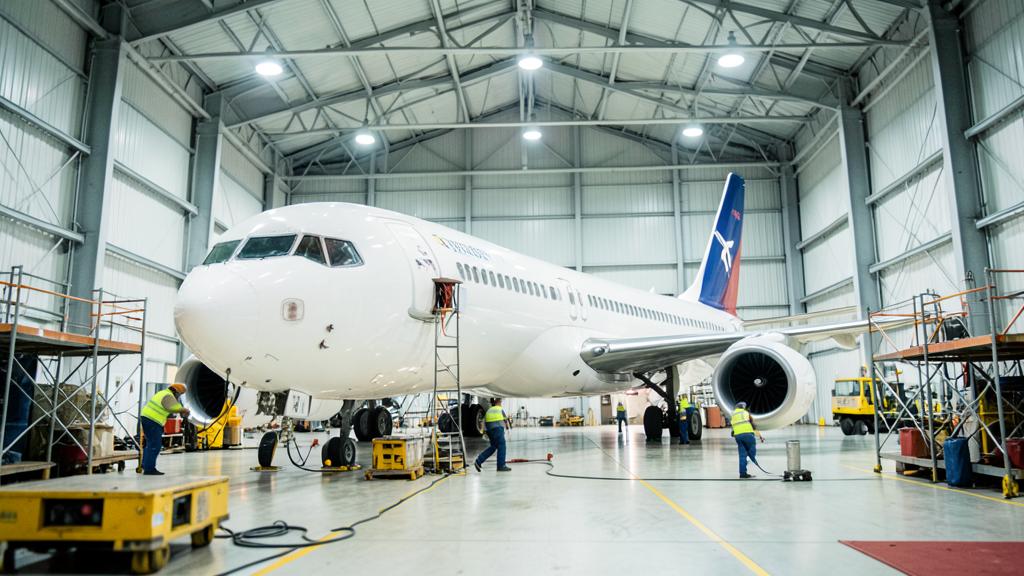
Retiring an older airframe design is rarely about chasing superior new technology; it is about whether repurposed legacy jets can still deliver reliable, cost-effective capacity where modern replacements cost too much. The market trajectory of second-hand mid-life widebodies demonstrates that operational utility often outlasts an airframe’s original passenger role.
- IAF is nearing a deal for six converted pre-owned Boeing 767 tankers under a HAL-IAI tie-up, with deliveries expected between 2028 and 2030.
- India chose the Israeli conversion route for pre-owned airframes over U.S. KC-46 and European A330 MRTT alternatives.
- Plano-based Icelease signed an agreement with Boeing for one 767-300 Boeing Converted Freighter with options for two more.
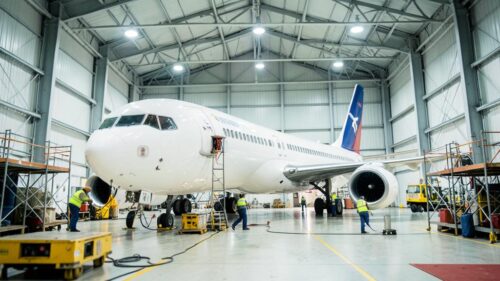
The Indian Air Force’s upcoming procurement strategy highlights how secondary markets are redefining military transport and refueling. Defence.in reported that the IAF is nearing a deal for six converted pre-owned Boeing 767 tankers under a joint tie-up between Hindustan Aeronautics Limited (HAL) and Israel Aerospace Industries (IAI), with aircraft deliveries expected between 2028 and 2030. Army Recognition reported that India chose this pre-owned Israeli conversion route over expensive, brand-new alternatives, explicitly rejecting options like the American KC-46 and Europe’s Airbus A330 Multi Role Tanker Transport (MRTT). By selecting pre-owned platforms converted for aerial refueling, India is securing necessary strategic range at a fraction of the price of acquiring factory-new tankers.
Second-Hand Conversions Outshine Expensive New Airframes in Cargo and Defense
The decision to repurpose existing airframes extends well beyond defense forces into commercial logistics. Aircraft investment and trading firm Icelease, based in Plano, Texas, recently signed an agreement with Boeing for a 767-300 Boeing Converted Freighter (BCF). Under the deal, Boeing will convert a passenger 767-300ER into a main-deck cargo freighter for Icelease, while also securing options for up to two additional conversions as the lessor expands its global freighter portfolio.
At the same time, passenger airlines are adapting the cabin interiors of these older jets to suit specific long-haul operational needs. Simple Flying reported that United Airlines flies an unusual cabin layout on its Boeing 767-400ER fleet featuring four specialized seats that offer 43 inches of pitch, an extra foot of legroom, built-in leg rests, and a privacy curtain. Rather than offering these spacious seats to paying customers, United configured them exclusively for flight attendants needing rest during long transoceanic trips.
Retrofitting Legacy Platforms Exposes Fatal Operational and Human-Factor Risks
However, the counter-argument to heavy reliance on retrofitted legacy aircraft centers on the rigid operational safety standard required as airframes age and transition to secondary roles. Converting passenger jets into freighters or military tankers shifts their flight profiles, and the risks of complex operations remain severe. A report by Mentour Pilot detailed the crash of Atlas Air Flight 3591, a Boeing 767 cargo aircraft approaching Houston, Texas. The aircraft suddenly entered a steep dive at 500 mph after its pilot pushed the plane down, crashing directly into a Texas marsh and killing all three pilots aboard.
The airframe’s operational history also includes classic lessons in ground-handling and human error. The Times of India reported on the famous 1983 Air Canada incident where a Boeing 767 ran completely out of fuel at 41,000 feet over Manitoba. Ground staff had miscalculated the fuel load in pounds instead of kilograms during a metric system conversion. With both engines dead, the pilots glided the aircraft onto a disused air base runway, safely landing the jet with all 61 passengers and eight crew members unharmed.
Modifications Shift Focus to Industrial Timelines and Delivery Commitments
The economic rationale for converted widebodies remains compelling for both defense fleets and commercial lessors, but success hinges entirely on conversion capacity. The IAF’s reliance on the HAL-IAI partnership puts local maintenance, repair, and overhaul facilities at the center of India’s strategic airlift capability. As Icelease exercises its options for additional 767-300BCF conversions and the IAF targets its 2028–30 delivery window, the ultimate test for these converted legacy airframes will be whether conversion lines can deliver modified platforms on schedule without cost overruns.
Sources
- In 1983, an Air Canada Boeing 767 ran out of fuel at 41,000 feet because fuel was calculated in pounds in — The Times of India
- IAF Nears Deal For 6 Converted Pre-Owned Boeing-767 Tankers Under HAL-IAI Tie-Up; Deliveries Expected Over 2028–30 — Defence.in
- India Eyes Israeli Boeing 767 Tanker Aircraft Deal Over U.S. KC-46 and European A330 MRTT Options — Army Recognition
About The Author