Namo Ghat Helipad Security Breach: Impersonator Arrested at Varanasi Air Show
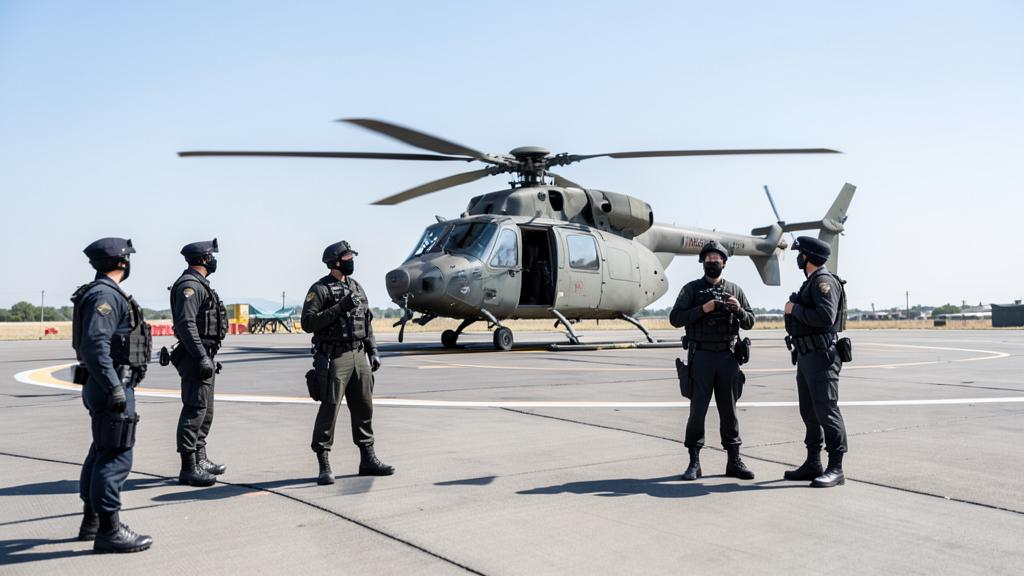
- Arpit Chaturvedi was arrested for illegally entering a high-security helipad during an Indian Air Force air show in Varanasi.
- The suspect allegedly breached perimeter security by posing as a fake IAF Group Captain and an army officer.
- Security personnel detained the impersonator inside the restricted zone and handed him over to law enforcement for interrogation.
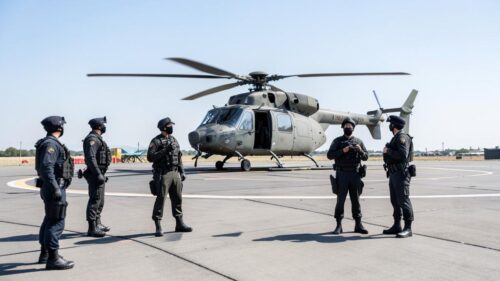
A severe security breach occurred at a high-security helipad during an Indian Air Force (IAF) air show in Varanasi when an unauthorized individual entered the restricted zone. Security personnel apprehended a man identified as Arpit Chaturvedi, who allegedly gained access to the venue by posing as a fake IAF Group Captain and army captain. The namo ghat helipad security breach has raised major concerns regarding perimeter control and credential verification at high-profile military events.
What Happened During the Varanasi Air Show Security Breach?
During a high-profile air show conducted by the Indian Air Force in Varanasi, security officers detected an unauthorized individual inside the restricted helipad area. The suspect managed to bypass outer security cordons despite the heightened protection protocols typically enforced at military aviation displays. Upon discovering the intruder, law enforcement and security personnel detained the man immediately to restore perimeter security.
The incident occurred within a designated high-security zone meant for active flight operations, aircraft crew movements, and dignitary transfers. Following the arrest, authorities initiated an investigation to examine how the impersonator succeeded in penetrating multiple security layers without valid access clearance.
Who Was Arrested at the Varanasi Helipad Incident?
The individual arrested at the scene has been identified as Arpit Chaturvedi. According to reports from law enforcement agencies, Chaturvedi allegedly breached security by claiming to be a senior military official—specifically presenting himself as an IAF Group Captain, while alternate reports indicated he also posed as an army captain.
Impersonating a defense officer is a grave offense under Indian criminal law, particularly when committed inside sensitive military airspace or restricted government zones. Security agencies took the suspect into custody for detailed interrogation to establish his motives, background, and whether he utilized fake identification documents to enter the premises.
How Are Military Air Show Helipads Secured in India?
Securing a military helipad during a public air display requires close coordination between defense forces, local police, and specialized intelligence agencies. Standard procedures for high-security helipads involve a multi-layered defense architecture designed to maintain strict control over entry points.
- Perimeter Cordoning: Setting up concentric security rings using physical barriers, access gates, and armed guards to manage civilian access.
- Credential Verification: Checking official military identity cards, movement passes, and duty rosters against verified attendance lists at every checkpoint.
- Escort Protocols: Requiring senior officers and official guests to be accompanied by designated liaison officers to verify identity in real time.
- Surveillance Monitoring: Deploying physical sentries and intelligence personnel to identify suspicious behavior or uniform irregularities.
Why Is Impersonation a Serious Security Threat at Defense Events?
Posing as a senior military officer like an IAF Group Captain creates a critical security risk during major public defense demonstrations. Rank commands immediate deference and trust from perimeter security staff, which can allow an impersonator to bypass standard questioning or identity checks.
When unauthorized individuals access sensitive areas like active helipads, they expose event operations and personnel to multiple potential hazards:
- Operational Disruption: Unauthorized presence near active landing zones creates severe flight hazards for helicopters and fixed-wing aircraft during landing and takeoff maneuvers.
- VIP Safety Risks: Helipads frequently serve as transit points for high-ranking government officials and military leadership, making strict entry control essential.
- Espionage and Intelligence Exposure: Impersonators entering restricted areas could potentially observe sensitive military equipment, operational procedures, or secure communications.
What Challenges Do Security Forces Face During Public Military Shows?
Managing security at public military demonstrations presents unique operational challenges for defense personnel and civilian police. Unlike restricted military bases, public air shows require security forces to manage large civilian crowds while simultaneously protecting high-risk operational zones like helipads and runways.
Security teams must swiftly differentiate between authorized military personnel, official guests, media members, and the public. When an individual leverages fake military titles or uniforms, security personnel rely on identity cross-checking and pass verification to prevent unauthorized access.
Key Details of the Varanasi Security Incident
The following table outlines the core facts reported regarding the security incident at the Varanasi helipad venue:
| Incident Aspect | Details Reported |
|---|---|
| Location | High-security helipad zone, Varanasi air show |
| Event Type | Indian Air Force (IAF) Air Show |
| Suspect Identified | Arpit Chaturvedi |
| Alleged Offense | Posing as an IAF Group Captain / Army Captain to enter restricted area |
| Action Taken | Apprehended and taken into custody by authorities |
What Security Measures Follow Such Helipad Breaches?
Following a security breach at a military or dignitary helipad, standard operating procedure requires an immediate review of access management protocols. Joint inquiries involving local police, defense intelligence, and event organizers are conducted to pinpoint specific security lapses.
Subsequent public defense events typically implement stricter biometric checks, compulsory identity verification at entry gates, and enhanced sentry training regarding uniform credentials to ensure restricted zones remain fully secure.
Legal Consequences of Impersonating Military Personnel in India
Impersonating an active officer of the Indian Armed Forces, such as an IAF Group Captain or Army Captain, carries severe criminal liabilities under Indian law. Defense installations and military displays fall under strict statutory protections to ensure national security and prevent unauthorized access to sensitive operational assets.
Individuals caught falsely representing military rank face multiple
Sources
- Fake IAF Group Captain Arrested After Entering High-Security Helipad During Air Show in Varanasi — SSBCrack
- Man held for allegedly posing as army captain at Varanasi air show — National Herald
- Fake IAF Group Captain Arpit Chaturvedi Held After Entering Varanasi Air Show Helipad — Shop SSBCrack
- Security Breach at Varanasi Helipad During Indian Air Force Air Show as Impersonator Arrested — SSBCrack
- Bihar: Cow Runs Onto Helipad Ahead Of CM Nitish Kumar’s Begusarai Visit; Dramatic Chase Caught On Cam — Free Press Journal
Frequently Asked Questions
Who was arrested in the Varanasi helipad security breach?
An individual named Arpit Chaturvedi was arrested by security personnel after illegally entering a restricted helipad zone during an Indian Air Force air show in Varanasi. He was apprehended after allegedly posing as a fake IAF Group Captain and army captain.
Where did the helipad security breach take place?
The security breach occurred at a high-security helipad venue set up during an Indian Air Force air show in Varanasi. The restricted zone was designated specifically for official aviation operations and flight crew movements during the event.
How did the impersonator access the restricted helipad area?
The suspect, Arpit Chaturvedi, accessed the restricted helipad area by allegedly impersonating a senior military officer, claiming the rank of an IAF Group Captain. Security officers intercepted and detained him inside the restricted perimeter shortly after entry.
About The Author