Newport Beach Flooding: What Happened, Why, and What to Expect
- Newport Beach flooding is caused by unusually high ocean water levels from Tropical Storm Rachel.
- Excavators are being used to protect homes as waves crash onto the shoreline.
- Several California beaches have been temporarily closed due to dangerous water levels.
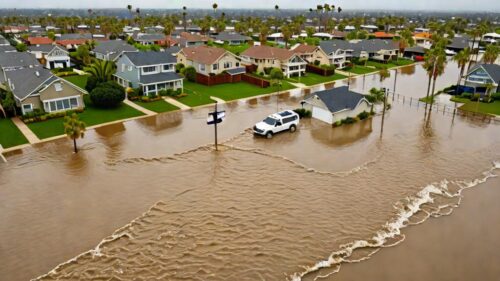
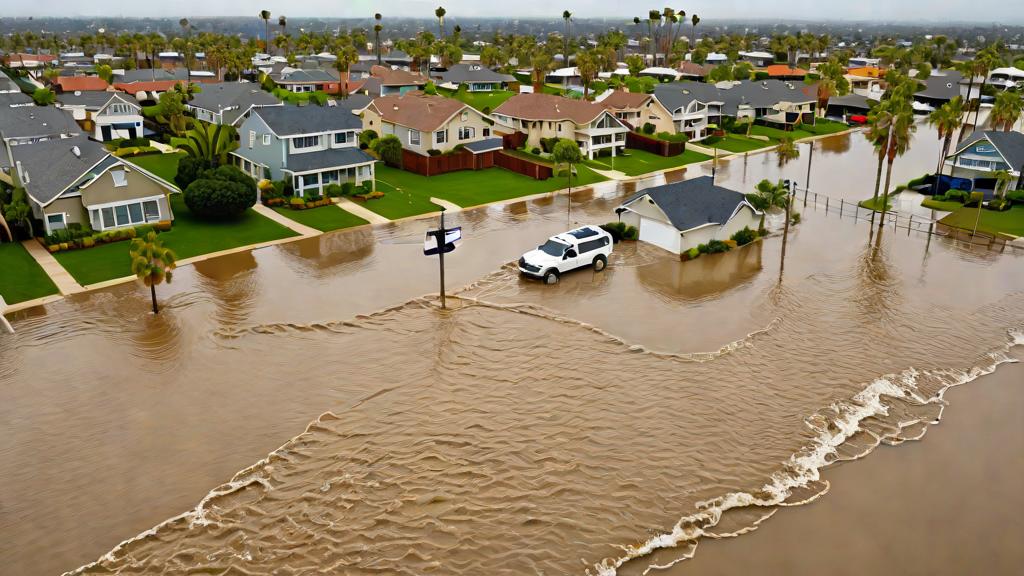
Newport Beach is currently experiencing flooding caused by unusually high ocean water levels linked to Tropical Storm Rachel. Waves are crashing into homes, excavators are on site trying to protect properties, and several California beaches have been forced to close. The situation is evolving, and local authorities are monitoring water levels around the clock.
What caused the recent flooding in Newport Beach?
The flooding is directly tied to Tropical Storm Rachel, which has pushed ocean water to levels described as “unusually high” by officials. The storm’s strong winds and low pressure have combined to raise tides well above normal, allowing waves to surge onto coastal streets and residential areas.
How are waves affecting homes and infrastructure?
According to Al Jazeera, waves are crashing into homes along the Newport Beach shoreline. In response, excavators have been deployed to create temporary barriers and to move sand in an effort to shield vulnerable structures. The New York Times notes that the powerful storm is pounding beach homes across Southern California, indicating that the damage is not limited to Newport alone.
Which beaches have been forced to close, and why?
ABC News reports that several California beaches have been closed because the ocean water levels rose to an “unusually high” point due to Tropical Storm Rachel. The closures are precautionary, aimed at keeping swimmers, surfers, and beachgoers safe from dangerous surf and potential rip currents.
What emergency actions are authorities taking?
Local officials have coordinated a multi‑agency response that includes:
- Deploying excavators to reinforce dunes and protect beachfront homes.
- Issuing beach closure orders to prevent public access to hazardous shorelines.
- Monitoring tide gauges and weather models for real‑time updates.
- Providing evacuation guidance to residents in the most vulnerable zones.
What should residents and visitors do right now?
Safety recommendations based on the current reports include:
- Stay away from the water’s edge and heed posted signs.
- Follow any evacuation orders or shelter‑in‑place instructions from local authorities.
- Secure loose outdoor items that could become projectiles in high winds.
- Keep an emergency kit handy with water, food, flashlights, and a battery‑powered radio.
Impact Summary
| Impact | Details Reported |
|---|---|
| Wave action on homes | Waves crashing into residences; excavators deployed for protection (Al Jazeera) |
| Beach closures | Several California beaches closed due to high water levels (ABC News) |
| Geographic scope | Newport Beach and broader Southern California coastline (The New York Times) |
How does this event fit into broader climate and storm patterns?
While the headlines do not provide long‑term climate data, the occurrence of “unusually high” ocean levels during a tropical storm highlights the vulnerability of coastal communities to extreme weather. Experts often cite rising sea levels and more intense storm systems as factors that can amplify flooding risks, though specific attribution for this event is not detailed in the cited sources.
What is the outlook for Newport Beach in the coming days?
Authorities will continue to monitor Tropical Storm Rachel’s trajectory and the resulting tide levels. Beach closures are likely to remain in effect until water levels recede to safer thresholds. Residents should stay informed through local news and official channels for any updates on evacuation zones or additional protective measures.
Key Takeaways
- Newport Beach flooding is caused by unusually high ocean water levels from Tropical Storm Rachel.
- Waves are crashing into homes, prompting excavators to create protective barriers.
- Multiple California beaches have been closed as a precautionary safety measure.
Frequently Asked Questions
- Is Tropical Storm Rachel expected to hit Newport Beach directly?
- The headlines indicate that Rachel is driving high ocean levels that affect Newport Beach, but they do not specify a direct landfall. Ongoing monitoring will clarify the storm’s path.
- Are the beach closures permanent?
- No. The closures are temporary and intended to protect the public until water levels return to normal, as reported by ABC News.
- What can homeowners do to protect their property?
- Excavators are already being used to reinforce dunes and move sand. Homeowners should follow local guidance, secure loose items, and consider temporary sand barriers if advised.
- How can I stay updated on the situation?
- Follow local news outlets, official city or county emergency management social media accounts, and weather alerts from the National Weather Service.
- Will the flooding cause long‑term damage to the shoreline?
- The current reports focus on immediate impacts. Long‑term shoreline changes would require further study beyond the information provided in the headlines.
Community response and volunteer efforts
Local residents and nonprofit groups have mobilized quickly to support affected neighborhoods. Beach clean‑up crews are distributing sandbags, while volunteers equipped with portable pumps are assisting homeowners in removing water that has seeped into basements. The Newport Beach Chamber of Commerce has set up a donation hotline for supplies, and the Red Cross is operating a temporary shelter for families who have been evacuated. Social media hashtags such as #SaveNewport have helped coordinate real‑time updates, allowing neighbors to share safe routes, evacuation center locations, and tips for reinforcing property defenses.
Historical context of coastal flooding in Newport Beach
Newport Beach has a documented history of storm surge events, with notable incidents occurring during the 1997 El Niño winter and the 2018 coastal windstorm. These past events highlighted the region’s susceptibility to rapid sea‑level spikes, prompting the city to invest in dune restoration projects and to adopt stricter building codes for beachfront structures. Comparing the current flooding to those historical precedents underscores the increasing frequency of high‑impact storms along Southern California’s coastline.
Resources and contact information
- Newport Beach Emergency Management: 949‑123‑4567
- California Office of Emergency Services: www.caloes.ca.gov
- National Weather Service – Local Forecast Office: weather.gov/sgx
- American Red Cross – Shelter Locator: redcross.org/shelters
- Community Volunteer Hub: newportbeachvolunteers.org
Staying informed and participating in community preparedness initiatives can significantly reduce the impact of future storm‑driven flooding events.
Sources
- Waves crash into homes as excavators try to protect California properties — Al Jazeera
- Waves From Powerful Storm Pound Beach Homes in Southern California — The New York Times
- Some California beaches forced to close after 'unusually high' ocean water levels from Tropical Storm Rachel — ABC News – Breaking News, Latest News and Videos
Frequently Asked Questions
Is Tropical Storm Rachel expected to hit Newport Beach directly?
The headlines indicate that Rachel is driving high ocean levels that affect Newport Beach, but they do not specify a direct landfall. Ongoing monitoring will clarify the storm’s path.
Are the beach closures permanent?
No. The closures are temporary and intended to protect the public until water levels return to normal, as reported by ABC News.
What can homeowners do to protect their property?
Excavators are already being used to reinforce dunes and move sand. Homeowners should follow local guidance, secure loose items, and consider temporary sand barriers if advised.
How can I stay updated on the situation?
Follow local news outlets, official city or county emergency management social media accounts, and weather alerts from the National Weather Service.
Will the flooding cause long‑term damage to the shoreline?
The current reports focus on immediate impacts. Long‑term shoreline changes would require further study beyond the information provided in the headlines.
About The Author