No Sidelines at the Women’s Emerging Nations Trophy 2026
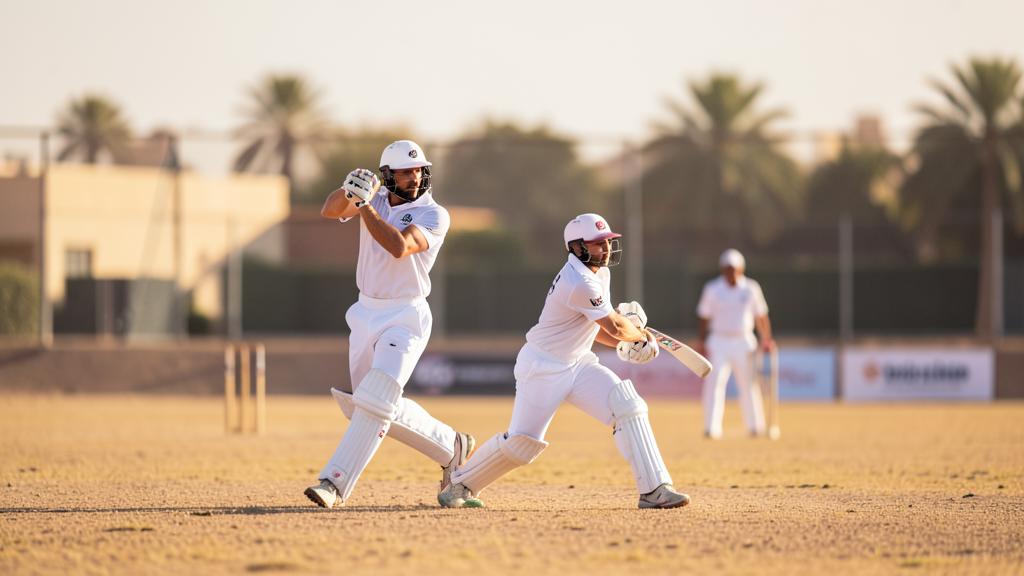
The Women’s Emerging Nations Trophy has quietly stopped being an undercard. The second edition runs from Thursday 12 November to 25 November in the UAE, is staged in Ajman, and packs 30 T20 matches into fourteen days. That is barely two matches a day, with ten teams involved and two more sides than the previous edition.
The ICC has released the complete match schedule, and viewing is being treated as live event coverage rather than a highlight reel afterthought. Even the officials are part of the pathway: umpire Precious Smith is set to officiate in the UAE. The density is the point. A tournament that can sustain 30 T20s in two weeks is simulating the rhythm of a senior limited-overs calendar, not just giving minnows a friendly innings.
- The second edition of the Women's Emerging Nations Trophy runs 12-25 November in the UAE, is staged in Ajman, and features 30 T20 matches with ten teams, two more than the previous edition.
- Ireland are in Group A with Papua New Guinea, Sri Lanka, Scotland and the UAE, have aimed to finish top three, and named two uncapped players for the T20 tournament.
- Babette de Leede has linked World Cup lessons to Emerging Nations Trophy preparations, while Chamari Athapaththu is unavailable for the WBBL and injured Marufa will miss the event for Bangladesh.
- The counterpoint remains the brief itself: the ICC launched an eight-team tournament after the Women's World Cup in India to promote and expand women's cricket, so it is still a pathway even with a dense schedule.
Thirty T20s in fourteen days is the real product
The arithmetic matters more than the label. The Women’s Emerging Nations Trophy began as an eight-team ICC event after the resounding Women’s World Cup in India, launched to promote and expand women’s cricket around the world. The 2026 edition is bigger, with ten teams and thirty T20s. Expansion is a commitment made visible: adding two teams is easy to announce, harder to schedule when every extra fixture costs a recovery day and squad managers already have thin benches.
The format is therefore doing real work. Ireland are drawn in Group A and will face Papua New Guinea, Sri Lanka, Scotland and the UAE. Their stated aim is to finish in the top three, which means avoiding a dead rubber while still needing every result. A tournament can be developmental and still carry live pressure; Ireland’s approach treats it as a placement task with no room for goal difference philosophy.
Ireland’s Group A is a placement exercise with uncapped stakes
Ireland have put two uncapped players into the T20 squad, according to the BBC. That detail cuts both ways. A pathway tournament exists to expose newer players to international cricket, but these call-ups arrive in a group where only the top three survive. Two of Ireland’s matches will be against associate or emerging neighbours and three against teams that know how to bowl at T20 level. The uncapped players will not be auditioning in a relaxed net session; they will be walking into Papua New Guinea, Sri Lanka, Scotland and the UAE with a points table behind them.
The higher aim is equally specific. For Ireland this is not a participation certificate. The squad announcement and the Group A target line up together: blood new talent while treating top three in the group as the minimum outcome. If a side can manage both, the emerging-nations frame starts to look less like permission and more like a standard to exceed.
World Cup carryover and franchise loss are both in the squads
Preparation is being treated as continuity, not a fresh start. Netherlands captain Babette de Leede has spoken ahead of the tournament about moving from Women’s T20 World Cup lessons into Emerging Nations Trophy ambitions. That is the correct transfer for a senior limited-overs group, because the mental offers in a fourteen-day T20 sprint resemble those in any short World Cup stage.
The calendar is also taking players. Chamari Athapaththu is unavailable because of the WBBL, and injured Marufa will miss the Emerging Nations Trophy for Bangladesh. Squad sheets expose the strain further: one 14-member squad has only three players older than 30. The message is not that the event is weak; it is that experienced cover is fragile. When stars miss for franchise commitments and injuries, the difference between a group-stage cushion and an early exit can come down to a player making her second international appearance.
Still, the ’emerging’ label is doing real work
The honest counterpoint is structural. The ICC launched this as an eight-team event after the Women’s World Cup in India precisely to promote and expand women’s cricket. Growing the field from eight to ten does not turn the Women’s Emerging Nations Trophy into a World Cup, and Ireland’s public target is still only top three in Group A. The name describes the mission even when the scheduling behaves like a senior tournament.
That tension is useful rather than embarrassing. A pathway that offers thirty T20s in fourteen days gives emerging international programmes the repetition they usually lack. The first concrete marker is 12 November in Ajman. Ireland’s Group A campaign begins against Papua New Guinea, Sri Lanka, Scotland and the UAE, and the top-three objective has already been set before the first ball is bowled.
Based on reports from
About The Author